
 Tel:+86-575 -87957662
 Email:
 English
 中文简体
中文简体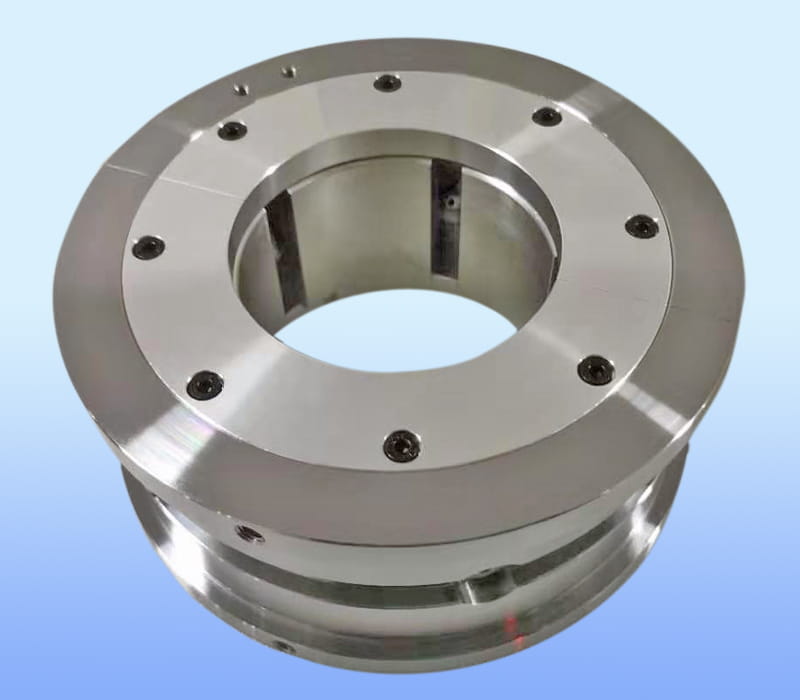
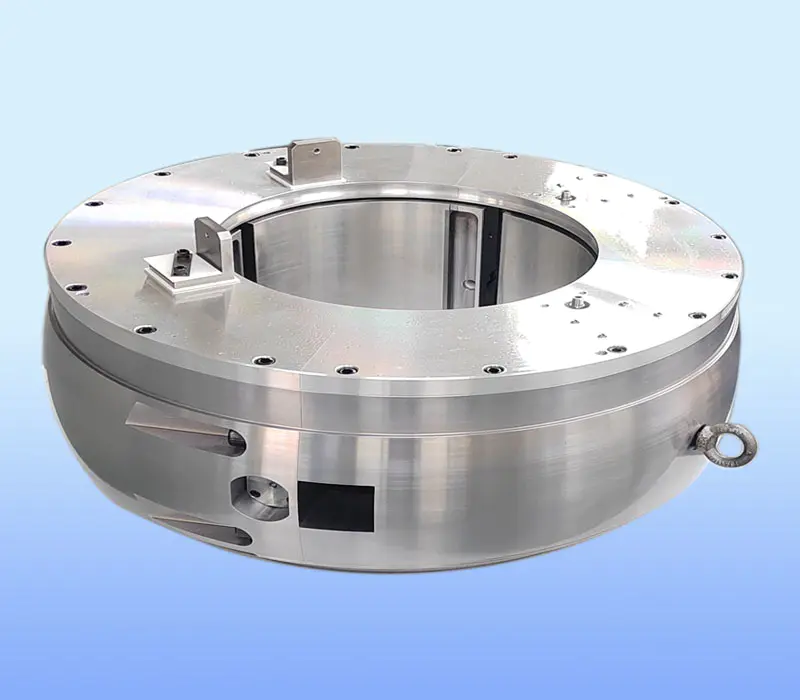
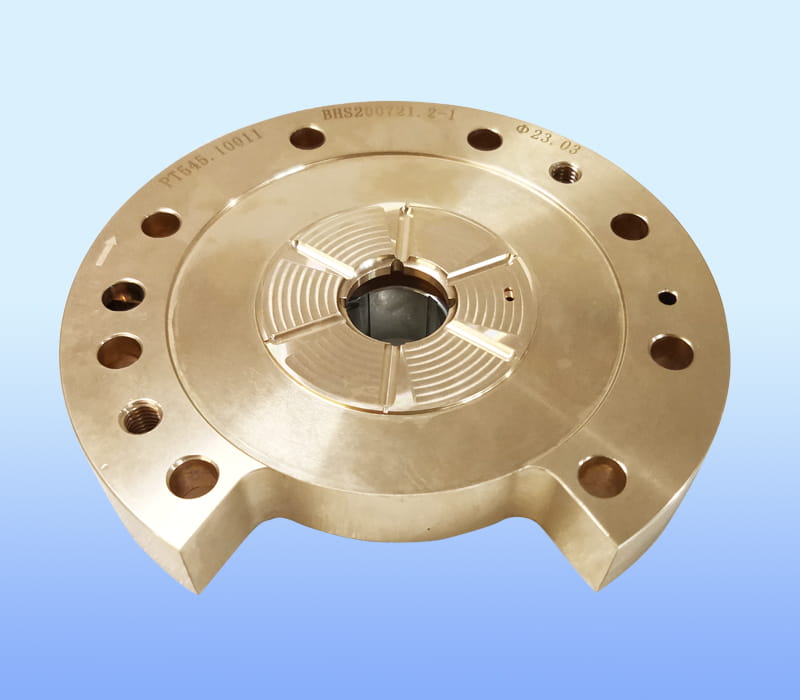
ZHEJIANG BHS JOURNAL BEARING CO.,LTD. located in FengXian District of ZheJiang, the company's brand "BHS", is a professional tilting pad thrust bearings manufacturers and Tilting pad bearings factory...

In industrial machinery, efficient load-bearing mechanisms are crucial for ensuring smooth and reliable operation. One such critical component is the tilting pad thrust bearing. These bearings play a pivotal role in supporting axial loads in various rotating machinery systems, including turbines, compressors, and gearboxes.
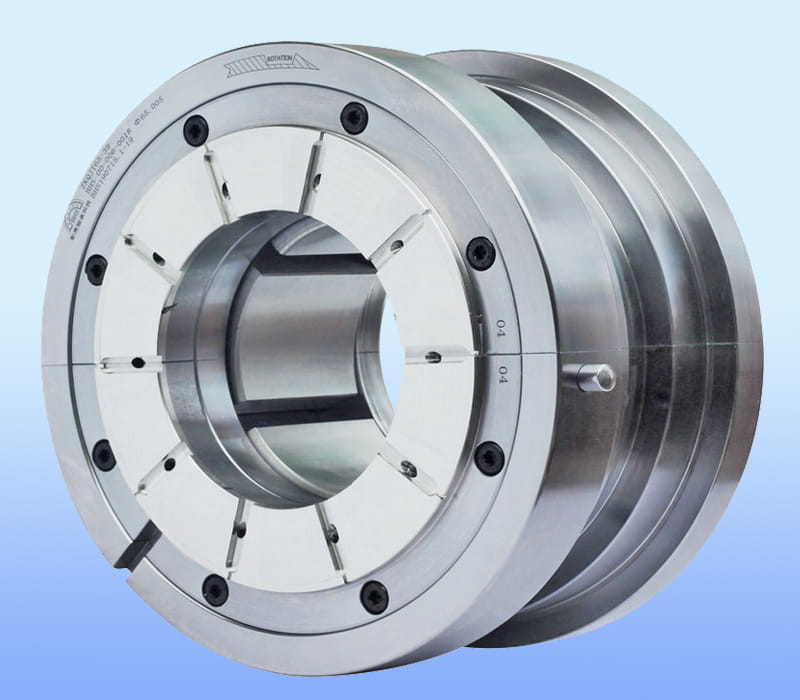
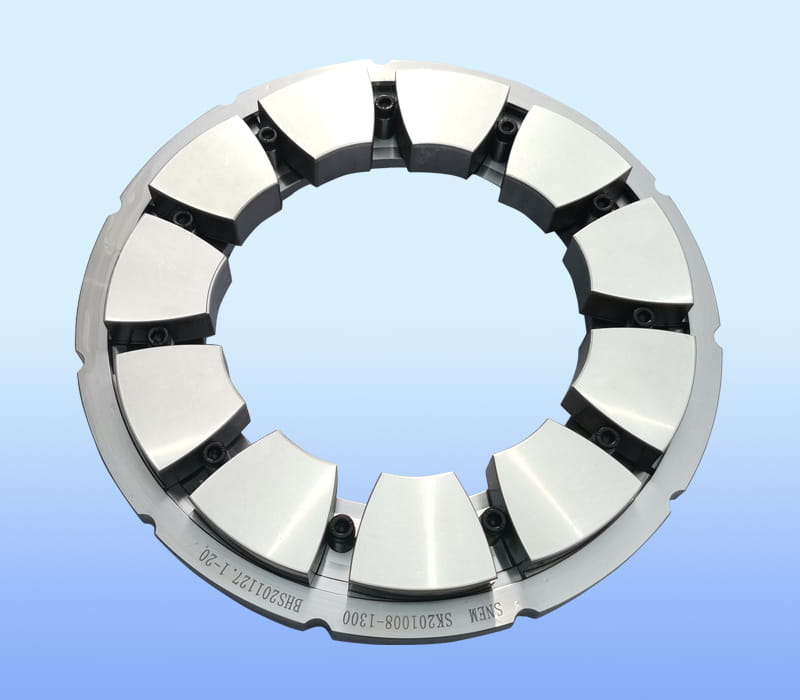
A tilting pad thrust bearing is a specialized type of bearing designed to handle high axial loads in rotating equipment. Unlike conventional thrust bearings, which use a single surface to support axial loads, tilting pad thrust bearings feature multiple pads that can tilt relative to the shaft. This unique design allows for better load distribution, improved efficiency, and enhanced performance in high-load applications.
Key Features of Tilting Pad Thrust Bearings:
Tilting pad thrust bearings operate by allowing each pad to tilt in response to the axial forces exerted by the rotating shaft. This tilting action ensures that the load is evenly distributed across the bearing surface, reducing friction and minimizing heat generation. The tilting pads work in conjunction with a lubricant, typically oil, which forms a film between the pads and the shaft to reduce direct metal-to-metal contact, further decreasing wear and tear.
Working Principle:
Tilting pad thrust bearings are used in a variety of industrial applications where axial load support is crucial. These bearings are particularly well-suited for high-speed machinery, such as turbines and compressors, where reliable performance under heavy loads is essential.
Common Applications Include:
Tilting pad thrust bearings offer several significant advantages over traditional thrust bearings. Their design allows for greater flexibility in handling varying loads and speeds, making them ideal for a wide range of high-performance applications.
Key Advantages:
Proper maintenance is essential to ensure the longevity and efficiency of tilting pad thrust bearings. Regular inspection and lubrication are key to preventing premature wear and ensuring that the bearing operates at peak performance.
Maintenance Tips:
| Feature | Tilting Pad Thrust Bearings | Conventional Thrust Bearings |
|---|---|---|
| Load Distribution | Evenly distributed across pads | Concentrated on a single surface |
| Speed Capability | High-speed operation | Limited to lower speeds |
| Maintenance | Requires regular lubrication and inspection | Requires less frequent maintenance but may wear out faster |
| Heat Dissipation | Efficient heat dissipation | Less efficient heat dissipation |
| Self-Adjustment | Yes, adjusts to changing loads | No self-adjustment |
1. What is the main advantage of using tilting pad thrust bearings over conventional bearings?
The main advantage is the even distribution of the axial load across multiple tilting pads, reducing wear and tear and improving the lifespan of the bearing.
2. Can tilting pad thrust bearings handle high-speed applications?
Yes, tilting pad thrust bearings are designed to operate at high speeds and can handle faster rotational speeds compared to conventional thrust bearings.
3. How often should tilting pad thrust bearings be maintained?
Regular maintenance, including lubrication checks and inspections for wear, is essential. Frequency depends on the operating conditions but should be done periodically to ensure performance.
4. What is the role of lubrication in tilting pad thrust bearings?
Lubrication forms a protective film between the pads and the shaft, reducing friction and heat generation, thus ensuring smooth operation and preventing metal-to-metal contact.
5. Are tilting pad thrust bearings suitable for all industrial applications?
Tilting pad thrust bearings are suited for high-load, high-speed applications such as turbines, compressors, and gearboxes. They may not be necessary for low-speed or low-load operations.

ZHEJIANG BHS JOURNAL BEARING CO.,LTD. located in FengXian District of ZheJiang, the company's brand "BHS", is a professional tilting pad thrust bearings manufacturers and Tilting pad bearings factory...
Copyright © 2017 ZHEJIANG BHS JOURNAL BEARING CO.,LTD. All Right Reserved. China Tilting Pad Journal Bearings Manufacturers
