
 Tel:+86-575 -87957662
 Email:
 English
 中文简体
中文简体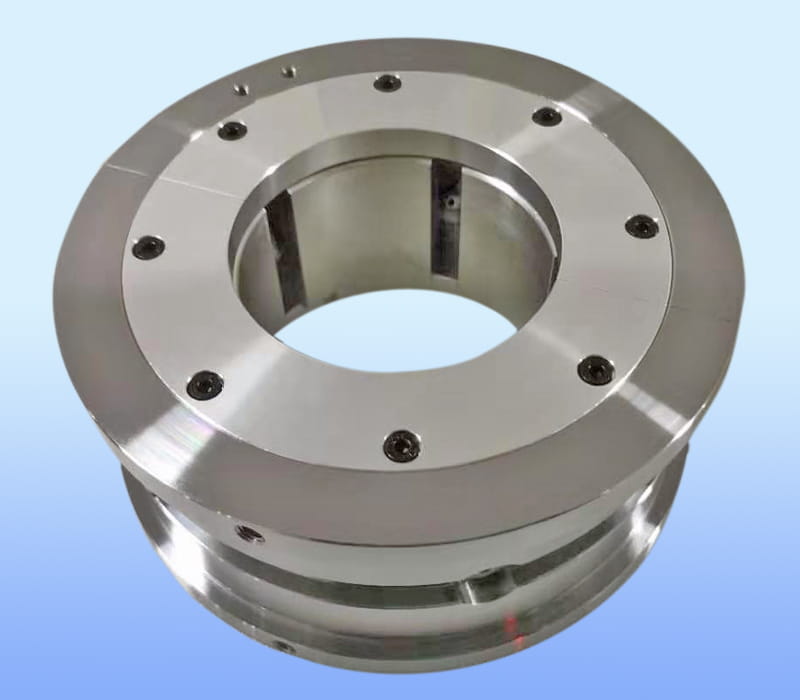
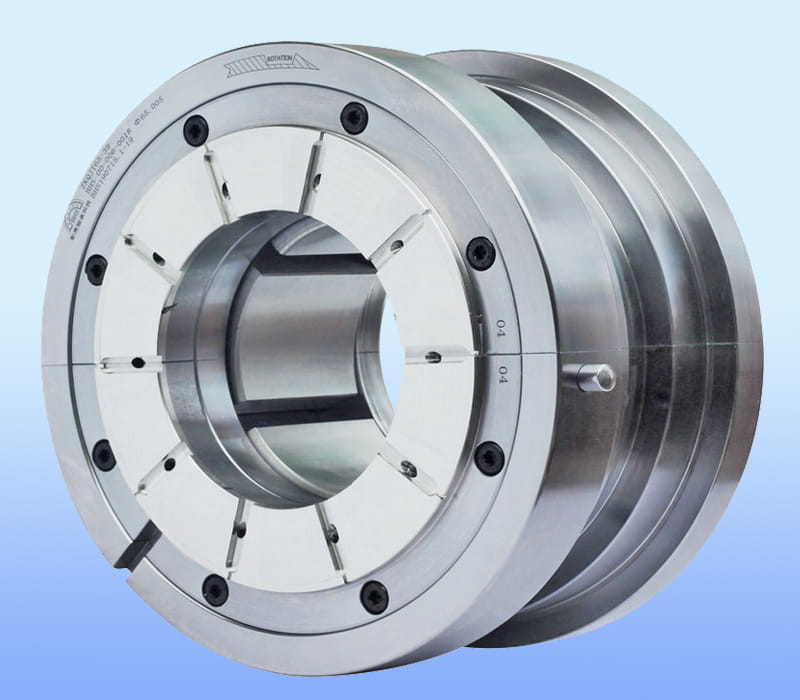
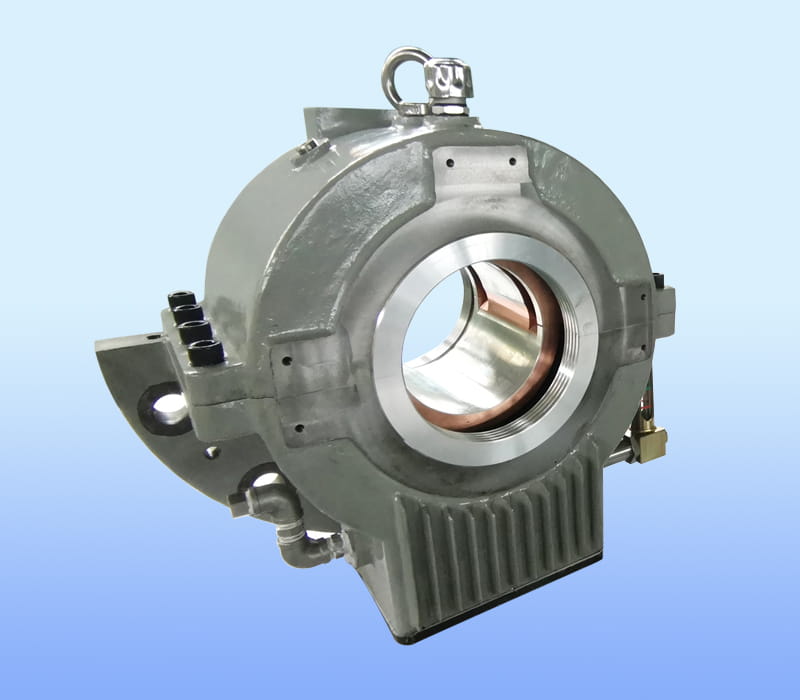
ZHEJIANG BHS JOURNAL BEARING CO.,LTD. located in FengXian District of ZheJiang, the company's brand "BHS", is a professional tilting pad thrust bearings manufacturers and Tilting pad bearings factory...

Gearbox tilting pad bearings are crucial components in various industrial applications, providing essential support and enabling smooth and efficient operation of machinery. These bearings are known for their reliability, but their longevity is highly dependent on proper maintenance and cleaning. Regular upkeep ensures performance, reduces the risk of premature wear, and enhances the overall efficiency of the system.
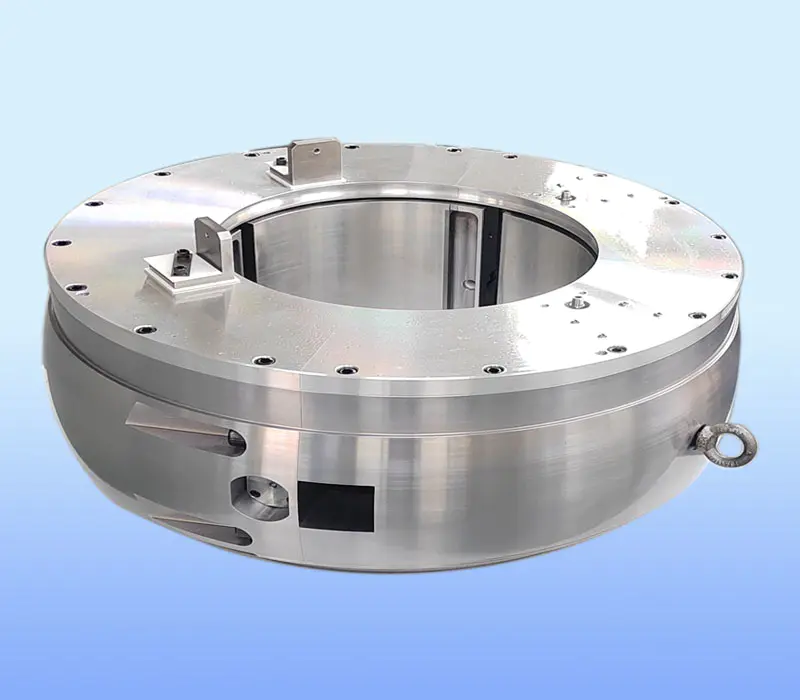
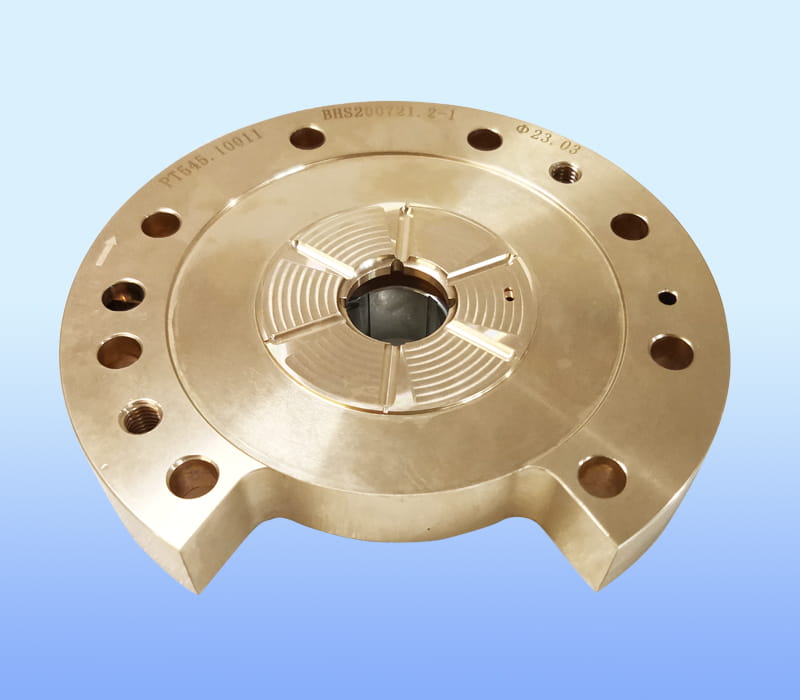
Gearbox tilting pad bearings are designed to support rotating shafts in heavy machinery, offering a reliable means of minimizing friction and wear. Their unique design allows for a high degree of axial load support, as well as the ability to adjust to changes in load conditions.
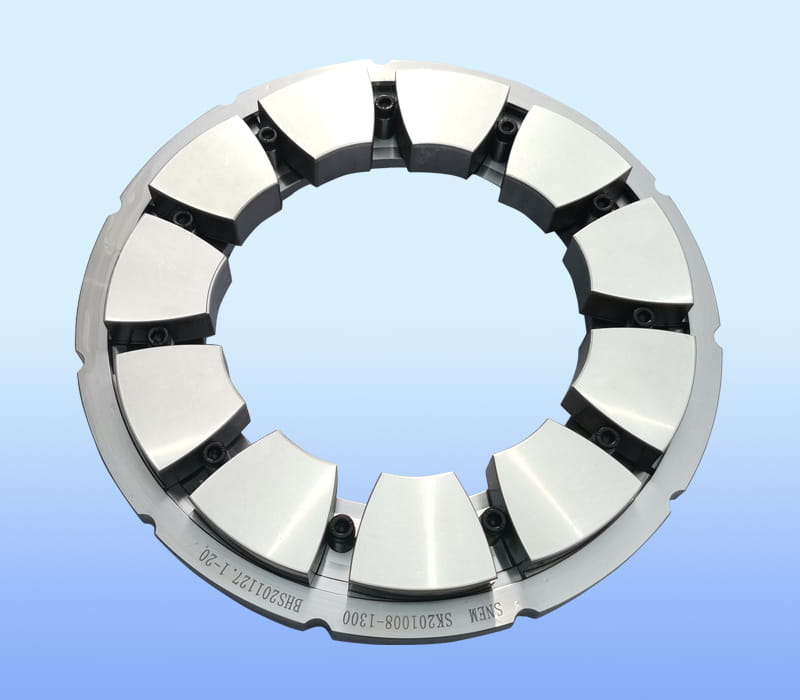
These bearings typically consist of a series of pads that tilt to distribute the load more evenly, ensuring that pressure is consistently applied across the bearing surface. This design not only enhances their load-bearing capacity but also significantly extends their service life.
Types of Gearbox Tilting Pad Bearings:
The longevity of gearbox tilting pad bearings is directly linked to the quality of maintenance practices. Poor maintenance can premature failure, increased downtime, and costly repairs. Here are a few key reasons why maintenance is critical:
Effective maintenance and cleaning of gearbox tilting pad bearings involve several steps:
Before starting maintenance, ensure the machinery is safely powered down and locked out to avoid accidents. Gather the necessary tools and equipment for cleaning and inspecting the bearings.
Cleaning is crucial to prevent dirt and debris from causing wear on the bearing pads. Here’s how to clean the surface effectively:
After cleaning, thoroughly inspect the gearbox tilting pad bearings for signs of wear or damage:
Lubrication is a critical component of the bearing’s longevity. Use high-quality, non-abrasive lubricants that are suitable for the operational conditions of your machinery.
Once cleaning and lubrication are complete, reassemble the bearing and perform a function test to ensure that everything is operating correctly. Monitor the bearing during initial operation to detect any unusual noises or vibrations that may signal an issue.
Even experienced technicians can make errors when maintaining gearbox tilting pad bearings. Here are a few common mistakes to avoid:
While maintenance can extend the life of gearbox tilting pad bearings, they will eventually wear out. Here are some signs that indicate it may be time for a replacement:
Proper maintenance and cleaning of gearbox tilting pad bearings are essential for their performance and lifespan. By following the recommended maintenance steps and avoiding common mistakes, you can ensure that your bearings remain in condition, thus avoiding costly downtime and repairs.
Q1: How often should I clean gearbox tilting pad bearings?
A: The cleaning frequency depends on the operational conditions. For high-load or high-temperature environments, more frequent cleaning may be necessary—typically every 6 to 12 months.
Q2: What type of lubricant should I use for gearbox tilting pad bearings?
A: Use a high-quality, non-abrasive lubricant that is suited to the temperature and load conditions of your machinery. Always follow the manufacturer’s recommendations.
Q3: Can I perform maintenance on the gearbox tilting pad bearings myself?
A: Yes, as long as you have the right tools and knowledge, basic maintenance such as cleaning, lubrication, and inspection can be performed. However, for more advanced repairs, it is advisable to consult a professional.
Q4: What signs indicate that the gearbox tilting pad bearings need replacement?
A: Signs of damage or wear include excessive noise, irregular tilting, significant scoring on the bearing pads, or excessive vibration during operation.
Q5: Can gearbox tilting pad bearings last forever?
A: No, like all mechanical components, gearbox tilting pad bearings will wear out over time. Regular maintenance can extend their lifespan, but they will eventually need to be replaced.

ZHEJIANG BHS JOURNAL BEARING CO.,LTD. located in FengXian District of ZheJiang, the company's brand "BHS", is a professional tilting pad thrust bearings manufacturers and Tilting pad bearings factory...
Copyright © 2017 ZHEJIANG BHS JOURNAL BEARING CO.,LTD. All Right Reserved. China Tilting Pad Journal Bearings Manufacturers
