
 Tel:+86-575 -87957662
 Email:
 English
 中文简体
中文简体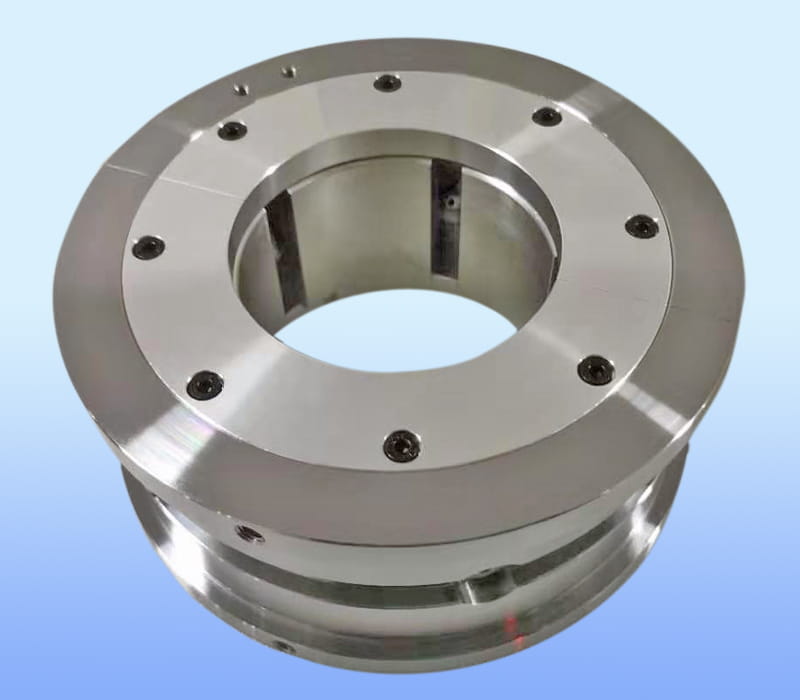
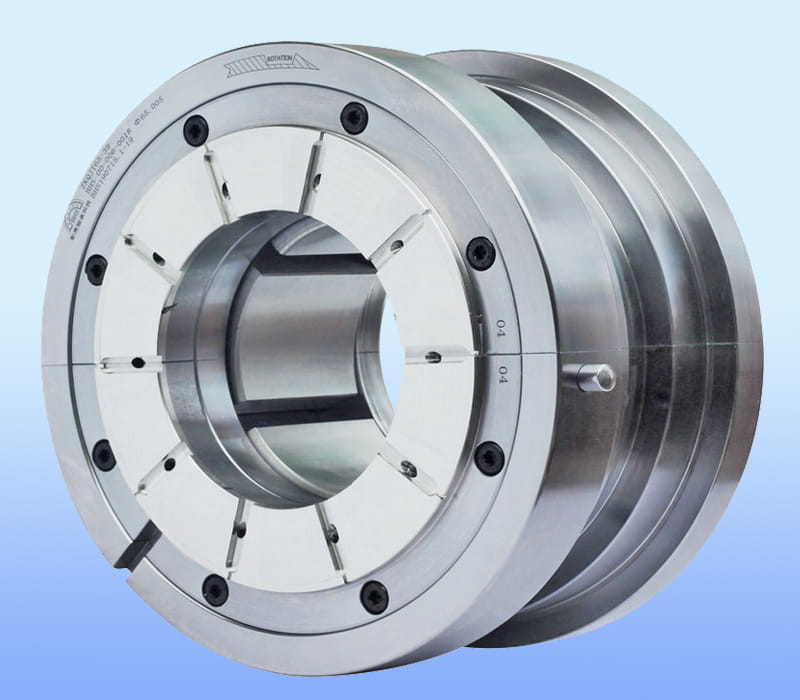
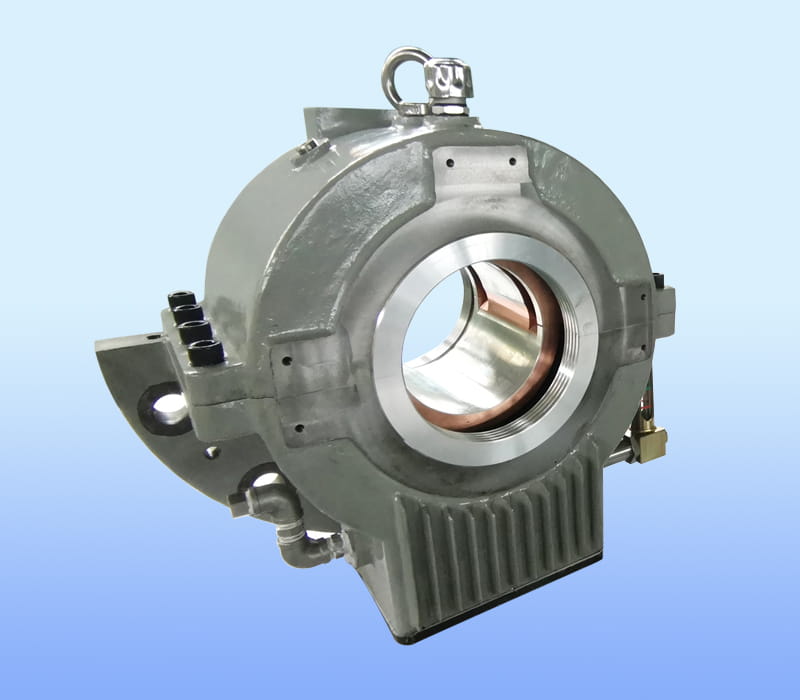
ZHEJIANG BHS JOURNAL BEARING CO.,LTD. located in FengXian District of ZheJiang, the company's brand "BHS", is a professional tilting pad thrust bearings manufacturers and Tilting pad bearings factory...

The reliability of machines, especially in high-performance environments, hinges significantly on the quality of their components and the precision of their installation. Among the key components that contribute to a machine’s smooth operation are the gearbox tilting pad bearings. These bearings are essential for reducing friction, ensuring efficient power transmission, and prolonging the lifespan of machinery. However, even the components will fail to perform effectively if not installed correctly.
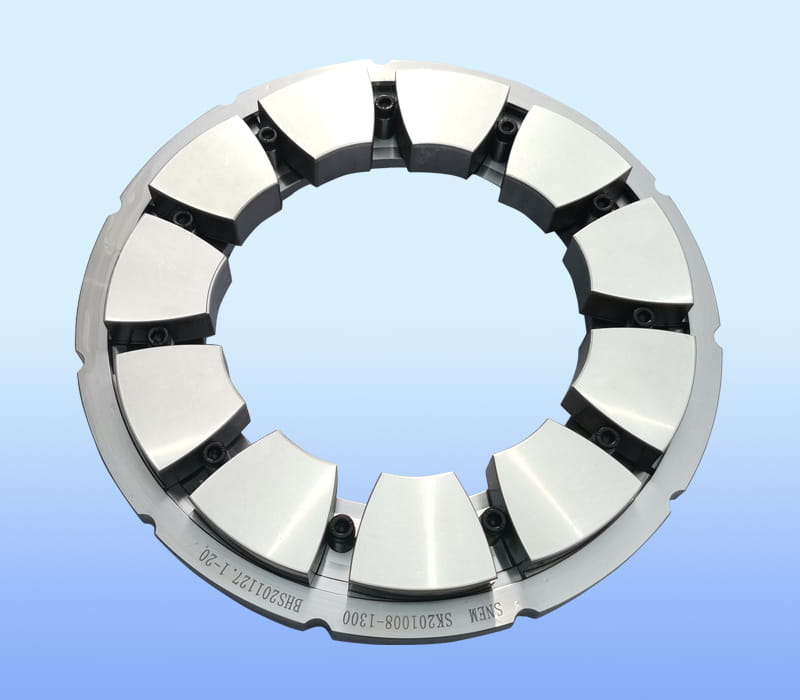
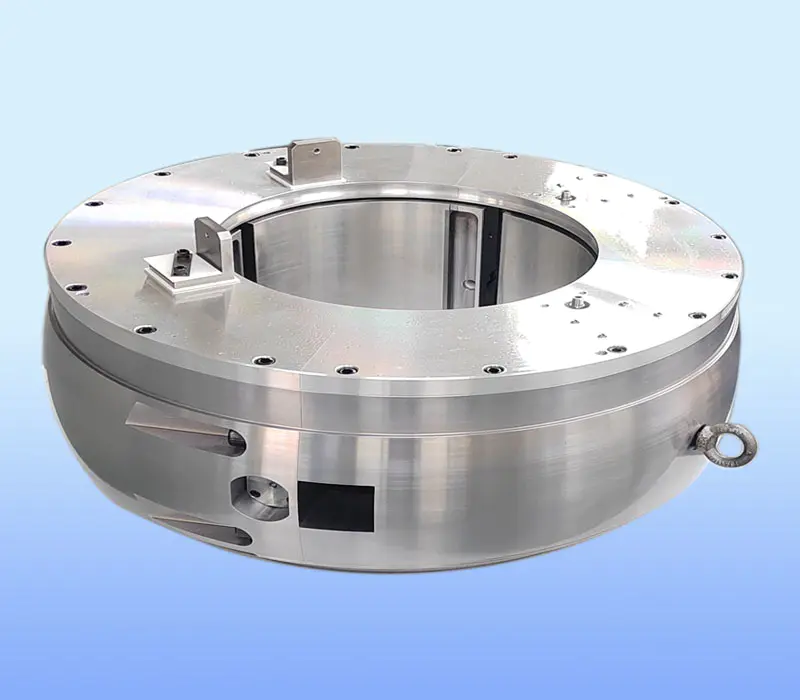
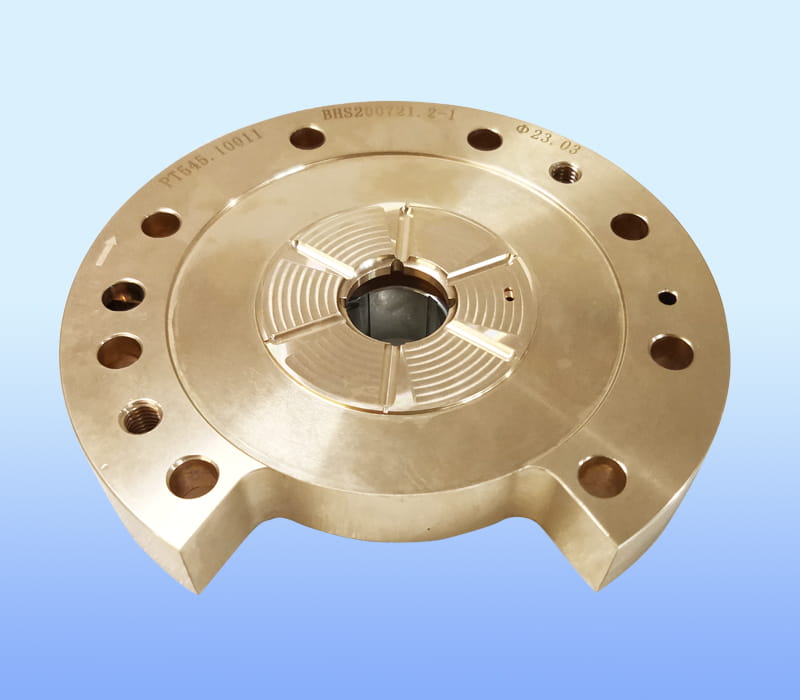
Gearbox tilting pad bearings are a specific type of bearing used primarily in machines that require high precision and efficiency. These bearings consist of a set of individual pads that are mounted on a tilting mechanism, allowing them to adjust their position according to the load and operational conditions. This adaptability helps distribute the load evenly across the surface of the bearing, minimizing wear and friction.
The primary purpose of tilting pad bearings is to support the rotating shafts in a gearbox, reducing the mechanical stresses that can cause premature failure. Proper installation ensures that the bearing pads align correctly, preventing uneven wear and the efficiency of the machine.
Minimized Friction and Wear
When installed correctly, gearbox tilting pad bearings can reduce the friction between moving parts, which in turn prevents the formation of heat and minimizes wear. This leads to extended operational lifetimes for both the bearings and the machinery as a whole.
Improved Load Distribution
These bearings are designed to accommodate varying load conditions, and proper installation ensures that the load is evenly distributed across the pads. This prevents localized wear and tear, reducing the chances of bearing failure.
Enhanced Lubrication Efficiency
Correct installation ensures that the lubrication system of the gearbox operates at its level, preventing the buildup of contaminants and ensuring a consistent layer of lubricant is maintained throughout the bearing’s operation. This is crucial for preventing dry running and minimizing component damage.
Reduced Vibration and Noise
Inadequate installation can cause vibrations and noise that not only reduce machine efficiency but also contribute to further wear. Proper installation ensures that the gearbox tilting pad bearings are securely positioned, minimizing vibrations and providing a smoother, quieter operation.
Extended Lifespan of Machinery
The main benefit of proper installation is the extended lifespan of the entire machine. Gearboxes with tilting pad bearings, when properly installed, are less prone to early failure, reducing maintenance costs and downtime.
The installation of gearbox tilting pad bearings is a complex process that requires precision and attention to detail. Below are the critical steps to ensure a proper installation.
Preparation of the Shaft and Housing
Before installing the bearing, the shaft and housing must be thoroughly inspected for any damage or imperfections. Any debris or contaminants present should be removed to avoid compromising the installation. A clean and smooth surface is essential for the bearing to operate effectively.
Alignment of the Bearings
Proper alignment of the gearbox tilting pad bearings is crucial for ensuring that the load is evenly distributed across all the bearing pads. Misalignment can cause excessive wear on one side of the bearing, resulting in premature failure. It is essential to ensure that the bearing is aligned precisely to avoid uneven load distribution.
Inspection of the Bearing Pads
Each bearing pad should be thoroughly checked for defects, including cracks, dents, or wear marks. Any damaged pads should be replaced before installation to ensure performance.
Lubrication System Setup
Proper lubrication is critical to the performance of gearbox tilting pad bearings. During installation, the lubrication system must be correctly set up to ensure that the bearings receive an adequate supply of lubricant. This includes checking the oil level, ensuring proper oil flow, and verifying that the lubricant is free of contaminants.
Mounting the Bearings
When mounting the bearing pads, it is essential to ensure that they are secured in place without over-tightening, which can cause deformation or distortion. The pads should be able to move freely within the housing, adapting to changes in load.
Verification of Clearance and Fit
Ensuring the correct clearance between the bearing pads and the shaft is another critical part of the installation process. Incorrect clearance can result in either excessive friction or insufficient load-bearing capacity. This step should be carefully measured and adjusted according to the manufacturer’s guidelines.
Final Inspection and Testing
Once the bearings are installed, it is essential to conduct a thorough inspection and testing procedure. This includes checking the overall alignment, ensuring that the bearings are operating within specified tolerances, and running the machinery to verify that the bearings perform as expected.
Improper installation can several issues that significantly affect the reliability of the gearbox and the performance of the tilting pad bearings. Common errors include:
Misalignment: Misalignment of the bearing pads can uneven wear and increased friction, resulting in higher operating temperatures and eventual bearing failure.
Incorrect Lubrication: Inadequate or incorrect lubrication can dry running, causing damage to both the bearings and the shaft.
Improper Mounting: Over-tightening or incorrect mounting of the bearing pads can deformation or restricted movement, reducing the bearing’s ability to adapt to changing loads.
Inaccurate Clearance: Incorrect clearance between the bearing pads and the shaft can cause either excessive friction or insufficient load-bearing capacity, both of which can failure.
These errors can increased maintenance costs, reduced efficiency, and shorter operational lifespans for machinery.
Machine reliability depends on the seamless interaction of all its components. Gearbox tilting pad bearings play a crucial role in ensuring that the machine operates smoothly by supporting the rotating shafts and reducing friction. When installed correctly, these bearings help maintain operational conditions, minimize wear, and extend the life of the machinery.
However, improper installation can a cascade of issues that can compromise the performance of the gearbox, resulting in costly downtime and repairs. Ensuring proper installation is therefore a critical step in maintaining machine reliability and reducing the total cost of ownership.
| Material Type | Advantages | Disadvantages |
|---|---|---|
| Bronze | High wear resistance, load-bearing capacity | May be prone to corrosion under certain conditions |
| Steel | Superior strength and durability under heavy loads | Can wear more quickly in high-speed applications |
| Babbitt | Excellent for high-speed applications, low friction | Less durable under high load conditions |
| Composite Materials | Light-weight, corrosion resistance | Less resistant to high temperatures |
1. What are gearbox tilting pad bearings used for?
Gearbox tilting pad bearings are used in machinery to support rotating shafts, reduce friction, and ensure efficient load distribution, which extends the lifespan of the gearbox.
2. How can improper installation affect gearbox performance?
Improper installation can misalignment, excessive friction, and inadequate lubrication, all of which can cause premature bearing failure and reduced machine efficiency.
3. How often should gearbox tilting pad bearings be inspected?
Bearings should be inspected regularly based on the operating conditions, typically every 6-12 months, to ensure they are performing optimally and to address any wear or damage before it leads to failure.
4. Can gearbox tilting pad bearings be repaired?
In cases, gearbox tilting pad bearings can be repaired if the damage is minor, such as replacing worn pads. However, severe damage may require complete bearing replacement.
5. What are the signs of failure in gearbox tilting pad bearings?
Signs of failure include unusual vibrations, increased noise, high operating temperatures, and reduced load capacity. Regular inspections can help identify these issues early.

ZHEJIANG BHS JOURNAL BEARING CO.,LTD. located in FengXian District of ZheJiang, the company's brand "BHS", is a professional tilting pad thrust bearings manufacturers and Tilting pad bearings factory...
Copyright © 2017 ZHEJIANG BHS JOURNAL BEARING CO.,LTD. All Right Reserved. China Tilting Pad Journal Bearings Manufacturers
