
 Tel:+86-575 -87957662
 Email:
 English
 中文简体
中文简体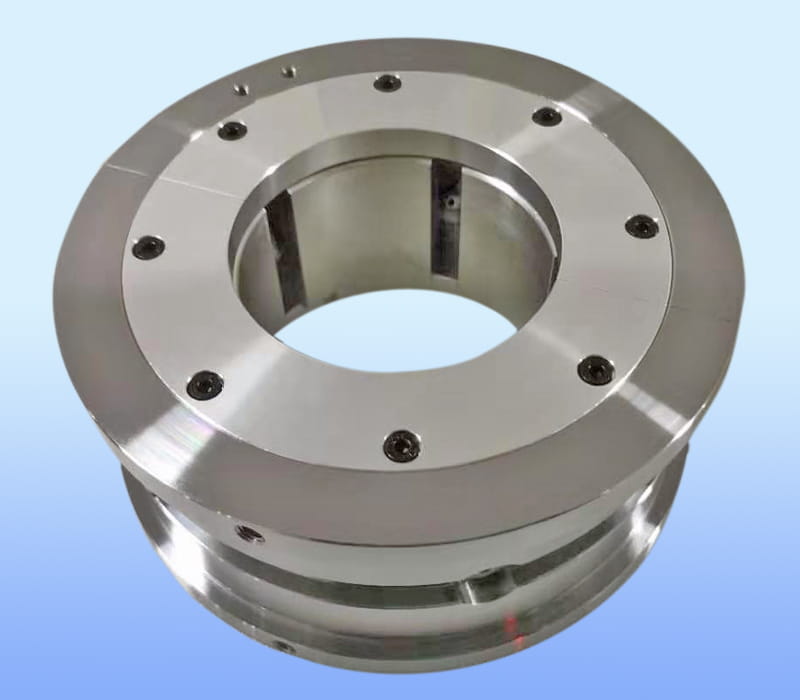
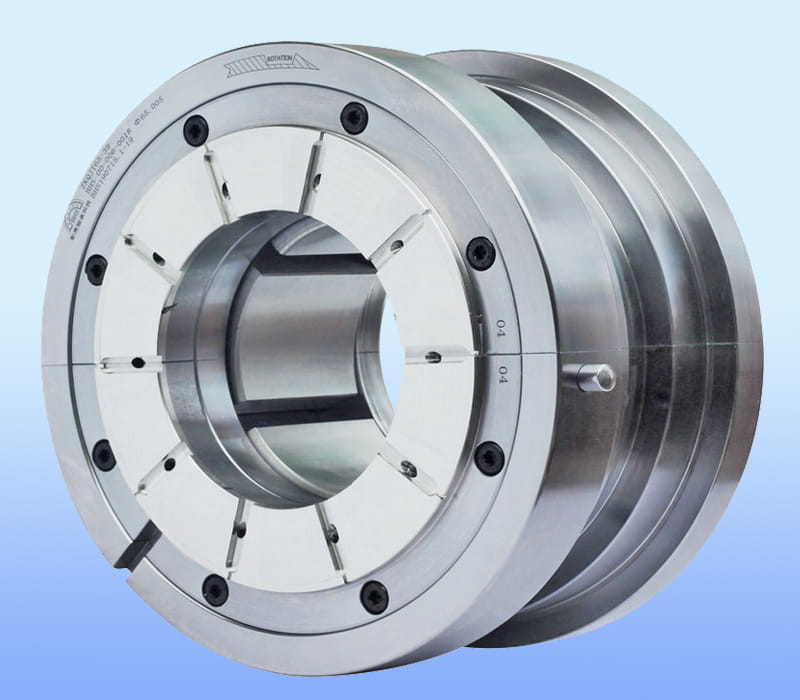
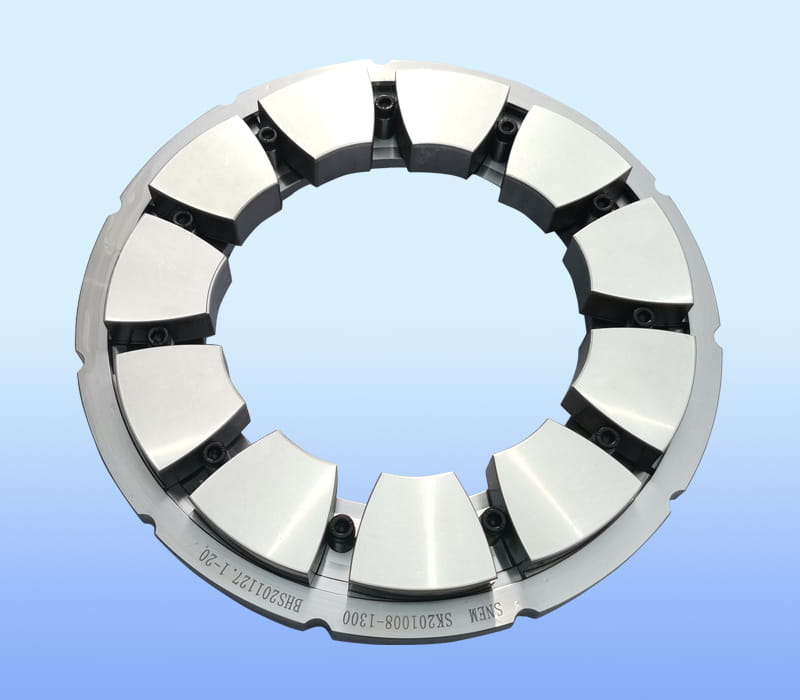
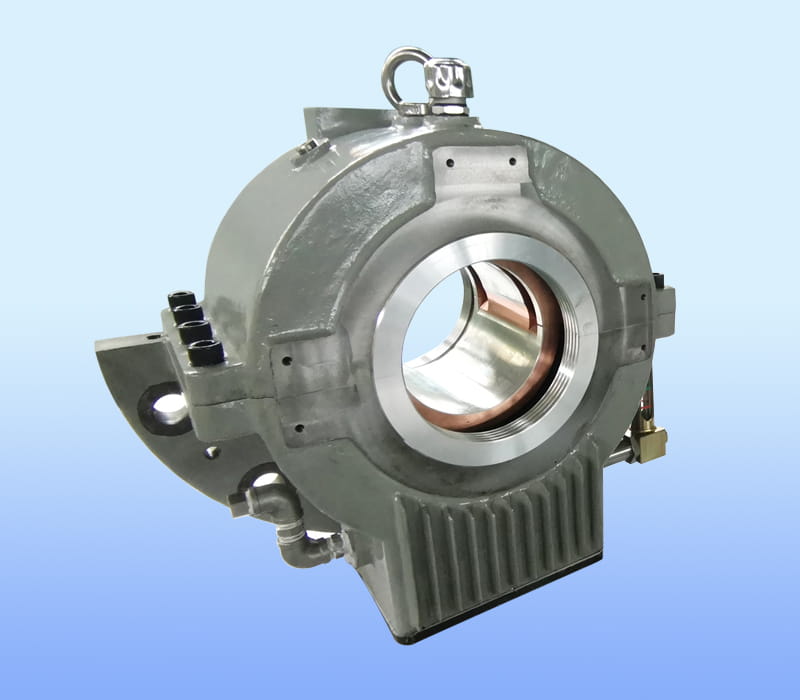
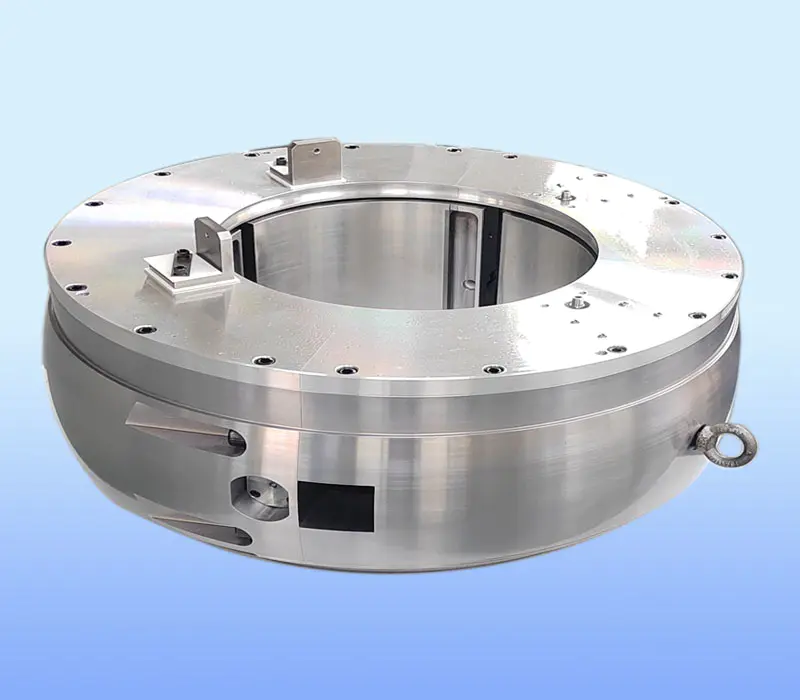
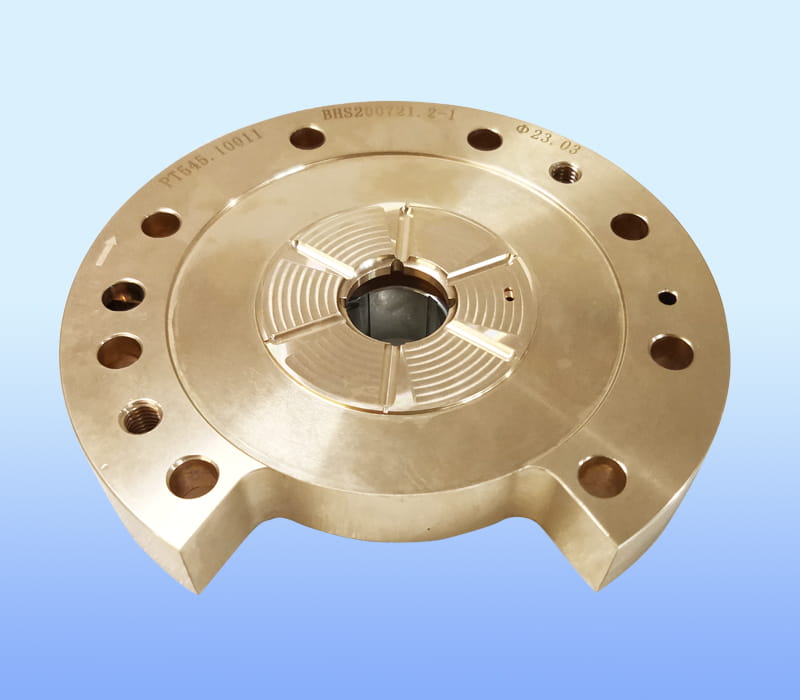
ZHEJIANG BHS JOURNAL BEARING CO.,LTD. located in FengXian District of ZheJiang, the company's brand "BHS", is a professional tilting pad thrust bearings manufacturers and Tilting pad bearings factory...

Bearings are integral components in many industrial applications, ranging from automotive to aerospace, enabling the smooth operation of machinery by minimizing friction. Among the various types of bearings, journal bearings and thrust bearings are commonly used in high-speed motors, turbines, and other rotating equipment. Although both serve similar functions in supporting rotational motion, they have distinct design features and applications.
Journal Bearings:
Journal bearings, also known as sleeve bearings or plain bearings, consist of a simple cylindrical structure that supports the rotating shaft within the bearing. These bearings operate on the principle of fluid film lubrication, where a thin layer of lubricant prevents direct metal-to-metal contact. The primary function of a journal bearing is to support the radial load, allowing the shaft to rotate smoothly while minimizing friction and wear.
Thrust Bearings:
Thrust bearings, on the other hand, are designed to handle axial or thrust loads. These bearings support the shaft’s axial movement and are typically found in applications where the shaft experiences high axial forces. The design of thrust bearings varies, but they generally consist of flat plates, washers, or a combination of rotating and stationary components. The bearings are designed to absorb axial loads, preventing damage to the shaft and supporting its movement along the axial direction.
Key Difference:
Journal Bearings:
Journal bearings are primarily designed to handle radial loads. Their ability to support large radial forces makes them ideal for high-speed motors, pumps, and turbines, where the rotational speed is critical. These bearings can support significant loads without significant wear or failure, provided proper lubrication is maintained.
Thrust Bearings:
Thrust bearings are specialized for axial loads and are designed to handle high-pressure forces along the shaft’s axis. They are critical in applications such as automotive transmissions, heavy machinery, and gearboxes, where axial forces are predominant. While they may not support as high of a radial load as journal bearings, thrust bearings are specifically optimized for axial load conditions.
Key Difference:
Journal Bearings:
Lubrication is essential for journal bearings, as it forms a fluid film between the shaft and the bearing surface. This fluid film minimizes direct contact between the metal surfaces, reducing wear and friction. High-speed motor journal bearings, in particular, rely heavily on a consistent lubricant supply, such as oil or grease, to function effectively at high speeds and under high loads. Poor lubrication can overheating and bearing failure.
Thrust Bearings:
Thrust bearings also require lubrication, but the nature of the lubrication depends on the type of thrust bearing. For example, ball thrust bearings often use grease or oil to maintain smooth operation, while axial fluid thrust bearings rely on a continuous supply of pressurized fluid to maintain the bearing’s effectiveness. The lubrication is necessary to prevent metal contact and provide cooling during operation.
Key Difference:
High-Speed Motor Journal Bearings:
High-speed motors are an essential component in numerous industrial sectors, such as manufacturing, energy generation, and aerospace. Journal bearings play a critical role in ensuring the longevity and efficiency of these motors. In high-speed motors, the rotation speeds can often exceed thousands of RPM, which places significant demands on the bearing system. Journal bearings are designed to accommodate these high speeds and ensure smooth, frictionless motion.
Journal bearings in high-speed motors are designed to offer minimal resistance to rotation, which enhances the efficiency of the motor. The use of high-quality materials and advanced lubrication techniques is crucial for the performance of these bearings, especially in motors that operate continuously under high stress.
Thrust Bearings in High-Speed Motors:
While journal bearings are primarily used in high-speed motors, thrust bearings are still crucial in situations where axial loads must be supported. Thrust bearings are often used in combination with journal bearings in multi-directional rotational systems, such as turbines or high-performance pumps, where both radial and axial forces are at play. Thrust bearings prevent axial displacement, ensuring the stability of the motor and reducing the risk of mechanical failures.
Key Difference:
Journal Bearings:
Journal bearings are relatively low-maintenance compared to other bearing types. However, they require periodic checks for lubrication and wear, especially in high-speed motors. The bearing surfaces must remain smooth, and the lubrication system must be monitored to prevent overheating or seizing. In high-speed motors, journal bearings are designed for durability, but excessive wear or failure to maintain lubrication can premature failure.
Thrust Bearings:
Thrust bearings require careful attention to ensure proper axial load handling. These bearings often experience more wear than journal bearings due to the nature of the axial forces they support. Regular maintenance is essential, particularly in applications where the bearings operate under high pressure or in challenging environments. In high-speed motors, thrust bearings may need to be replaced more frequently than journal bearings.
Key Difference:
Journal Bearings:
Journal bearings are typically made from materials such as bronze, steel, or composite materials that provide strength and durability. They come in different forms, including plain bearings and flanged bearings, depending on the application. The design is generally simple, but the precision of the bearing surfaces is critical to its effectiveness, particularly in high-speed applications.
Thrust Bearings:
Thrust bearings are available in several configurations, such as thrust ball bearings, roller thrust bearings, and fluid thrust bearings. The materials used for thrust bearings may vary based on the application’s load conditions, including ceramics, steel, and specialized alloys. Thrust bearings are generally more complex than journal bearings due to the axial load distribution and the need for precise design features.
Key Difference:
1. What is the primary difference between journal bearings and thrust bearings?
The primary difference is that journal bearings support radial loads, while thrust bearings handle axial loads.
2. Can journal bearings be used in high-speed motor applications?
Yes, high-speed motor journal bearings are specifically designed to handle high speeds and reduce friction, ensuring smooth operation in motor applications.
3. How does lubrication affect the performance of journal bearings?
Lubrication is crucial for journal bearings as it forms a fluid film that prevents direct metal-to-metal contact, minimizing wear and friction.
4. Are thrust bearings used in combination with journal bearings?
Yes, in applications with both radial and axial forces, thrust bearings are often used alongside journal bearings to support axial load.
5. What materials are commonly used for journal and thrust bearings?
Journal bearings are typically made from materials like bronze or composite materials, while thrust bearings can be made from steel, ceramics, or specialized alloys, depending on the application.
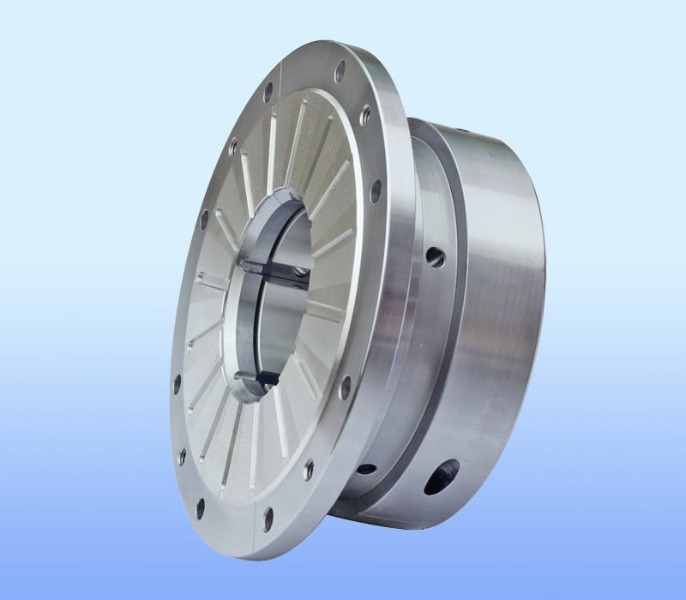

ZHEJIANG BHS JOURNAL BEARING CO.,LTD. located in FengXian District of ZheJiang, the company's brand "BHS", is a professional tilting pad thrust bearings manufacturers and Tilting pad bearings factory...
Copyright © 2017 ZHEJIANG BHS JOURNAL BEARING CO.,LTD. All Right Reserved. China Tilting Pad Journal Bearings Manufacturers
