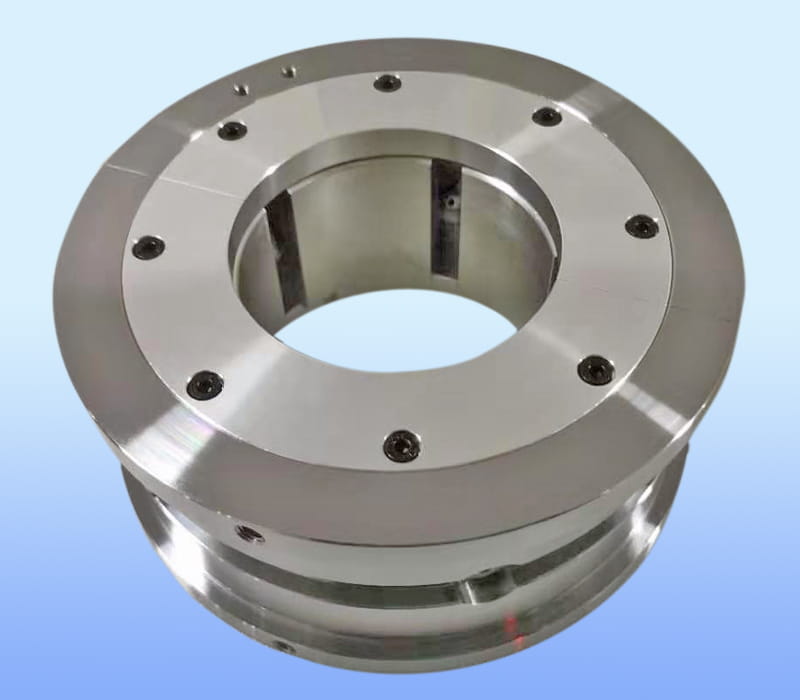
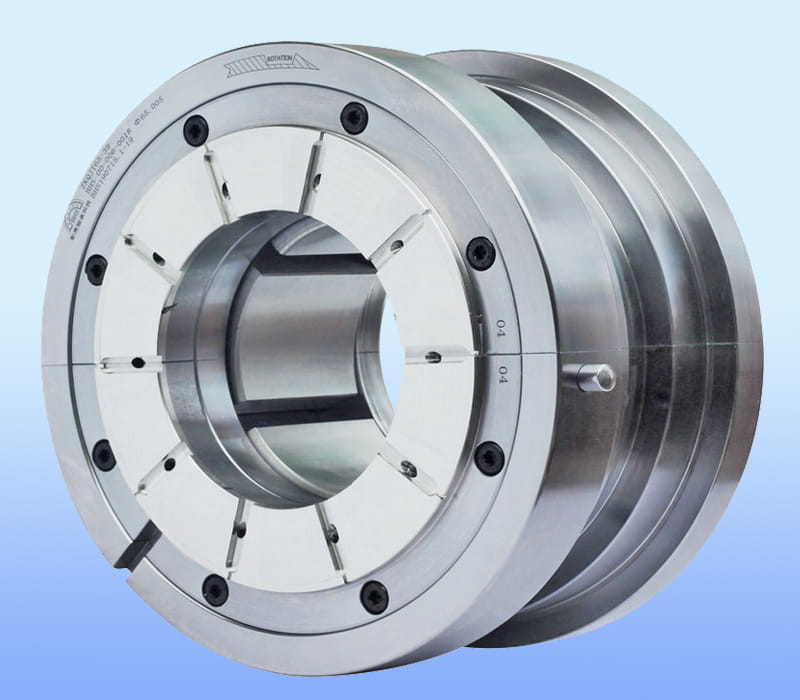
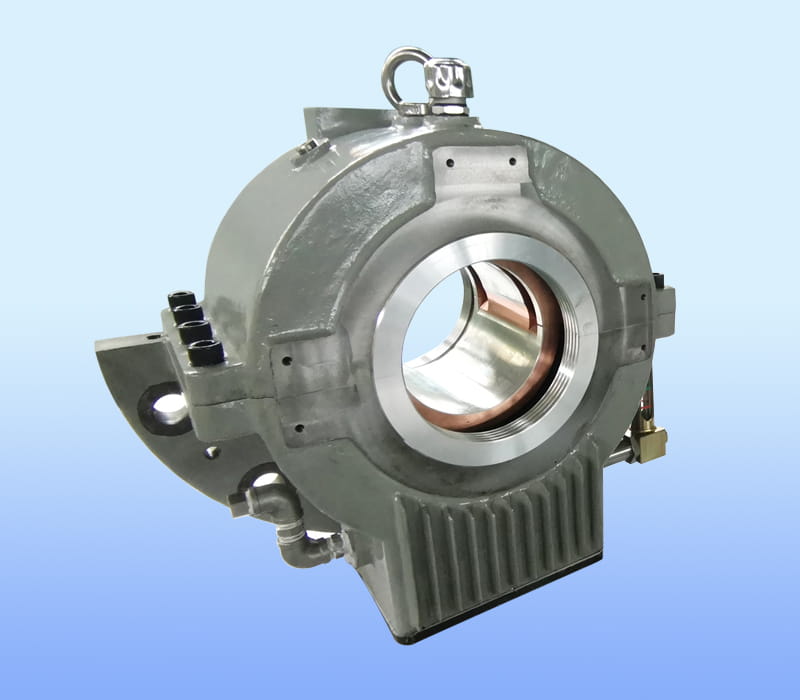
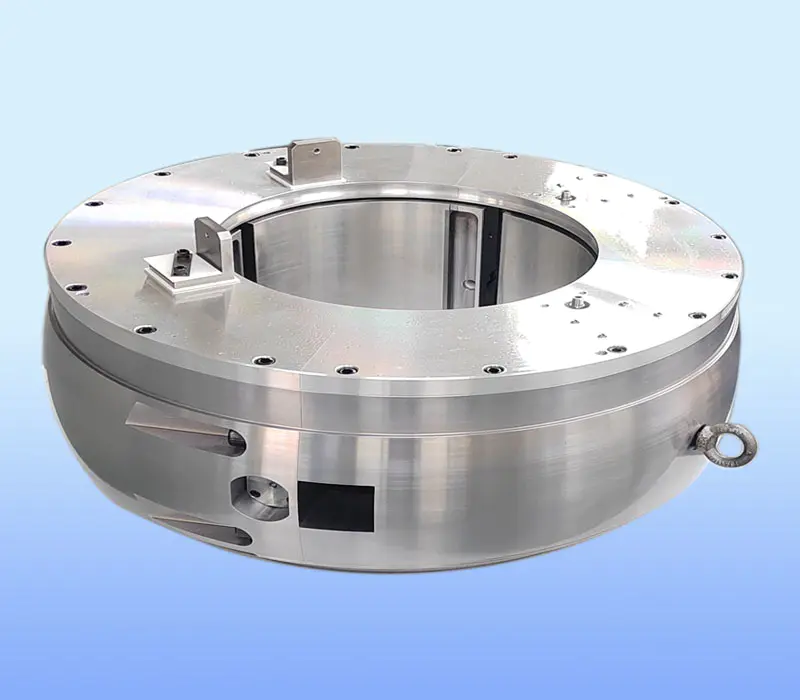
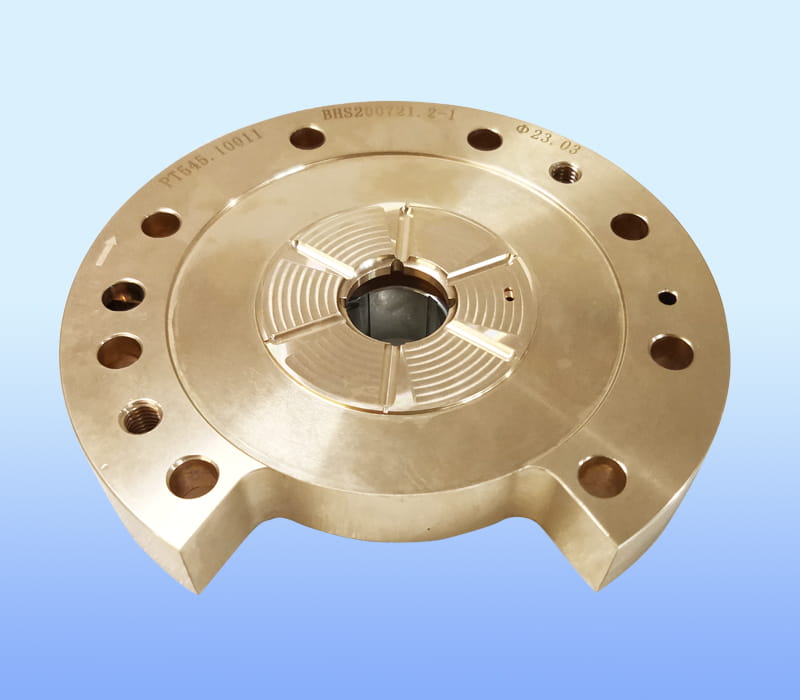
Gearbox tilting pad bearings play a crucial role in ensuring the smooth and efficient operation of high-performance machinery. These bearings are particularly essential in applications where reliability, precision, and durability are paramount, such as in heavy-duty industrial gearboxes. But what factors should engineers and decision-makers consider when selecting gearbox tilting pad bearings?
Operating Conditions
One of the important factors when selecting gearbox tilting pad bearings is understanding the operating conditions under which the gearbox will function. This includes the load, speed, and environmental conditions the gearbox will encounter.
- Load: Gearboxes often experience significant axial and radial loads, which can vary depending on the type of machinery in use. The bearing must be able to withstand these forces without compromising performance.
- Speed: The rotational speed of the gearbox is another key factor. Higher speeds require bearings with low friction and heat dissipation properties to prevent excessive wear and failure.
- Environmental Factors: Bearings must be designed to perform in various environmental conditions, including temperature extremes, humidity, and the presence of contaminants such as dust or chemicals. Proper sealing and material selection are crucial in these scenarios.
Bearing Design
The design of the tilting pad bearing itself significantly impacts its performance. Several aspects of the bearing design must be considered:
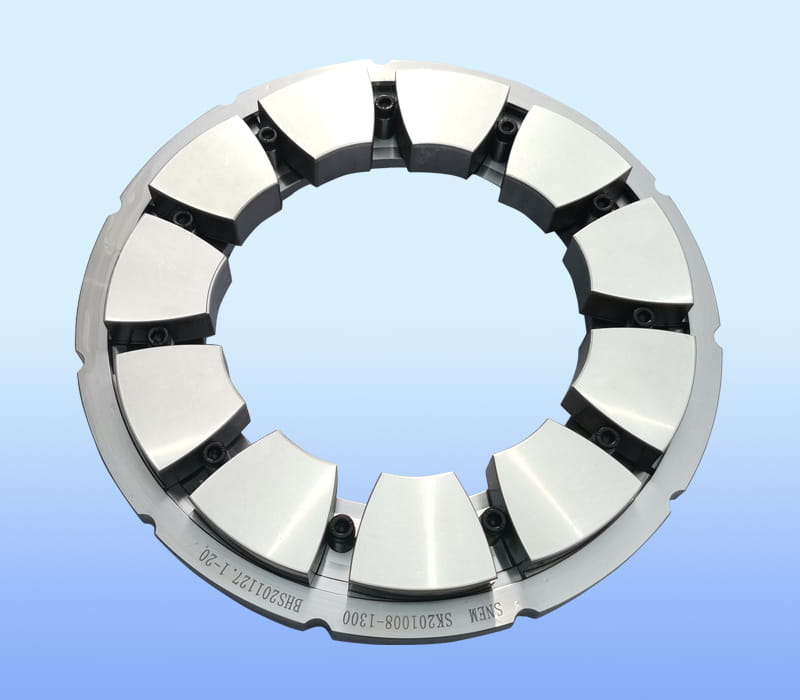
- Pad Geometry: The geometry of the bearing pads can influence the load distribution, friction, and overall bearing performance. The tilting pad design allows for better load distribution and reduced friction compared to conventional bearings.
- Material Selection: The materials used for both the bearing and the pads must be carefully chosen based on the specific requirements of the application. Materials must be able to handle high stress, high temperatures, and potential contamination, while also offering a balance between strength and wear resistance.
- Clearance: Proper clearance between the pads and the shaft ensures that the bearing can handle the necessary loads without excessive wear. Too little clearance can cause overheating, while too much can inefficient load distribution.
Lubrication
Lubrication is essential to the function of any bearing, and tilting pad bearings are no exception. The lubrication system plays a vital role in reducing friction and heat generation.
- Lubricant Type: The type of lubricant used (e.g., oil or grease) can significantly affect the bearing’s performance. For high-speed applications, oil is often preferred as it can circulate better and dissipate heat more effectively.
- Lubrication System: A well-designed lubrication system ensures consistent oil supply and helps to maintain operating temperatures. Inadequate lubrication can result in increased wear and premature bearing failure.
Performance and Reliability
The overall performance and reliability of the gearbox tilting pad bearing are perhaps the significant factors in the selection process. Engineers must ensure that the bearing will perform consistently over a long service life, especially in critical machinery where failure can result in costly downtime.
- Durability: Bearings must be designed to last under demanding conditions. This means selecting materials and designs that offer high wear resistance and the ability to handle load fluctuations.
- Efficiency: The efficiency of the bearing affects the overall performance of the gearbox. Bearings that reduce friction contribute to better energy efficiency and reduced operating costs.
- Noise and Vibration: Vibrations and noise levels can impact the performance of the gearbox and surrounding machinery. Selecting a bearing that minimizes these issues is important for maintaining smooth operations.
Maintenance and Cost Considerations
While the performance and reliability of the bearing are critical, the maintenance requirements and cost are also crucial factors. Overly complex bearings that require frequent maintenance or costly replacements can increase the operational costs of machinery.
- Maintenance: Bearings that are easy to inspect and maintain can help reduce downtime and extend the service life of the gearbox. The ease of replacing or repairing a tilting pad bearing should be taken into account.
- Cost vs. Performance: While high-performance bearings can offer reliability, they often come at a higher cost. Engineers must balance the cost of the bearing with the expected performance improvements to ensure that the investment is justified.
Customization and Application-Specific Requirements
In some cases, a standard gearbox tilting pad bearing may not meet the specific needs of a given application. Custom bearings designed for particular operating conditions or machinery requirements can offer performance.
- Tailored Designs: Custom bearings can be designed to meet specific performance, load, and environmental criteria that are not covered by standard designs. This might include custom pad materials, geometries, or lubrication systems.
- Application-Specific Solutions: In some industrial applications, the gearbox may have unique operational needs. A custom solution ensures that the bearing is optimized for these specific conditions.
Conclusion
The selection of gearbox tilting pad bearings is influenced by a variety of technical, environmental, and cost-related factors. Engineers must consider the operating conditions, bearing design, lubrication, performance, and reliability to make the choice. While cost is always a consideration, the long-term benefits of selecting the right bearing, including improved performance, efficiency, and durability, can far outweigh the initial investment.
FAQ
1. What is the primary advantage of using tilting pad bearings in gearboxes?
- The main advantage is their ability to handle high loads and speeds while reducing friction, which improves efficiency and durability.
2. How does the lubrication system affect the performance of tilting pad bearings?
- Proper lubrication is crucial to reduce friction and prevent overheating, ensuring the bearing operates smoothly and efficiently.
3. What materials are typically used for gearbox tilting pad bearings?
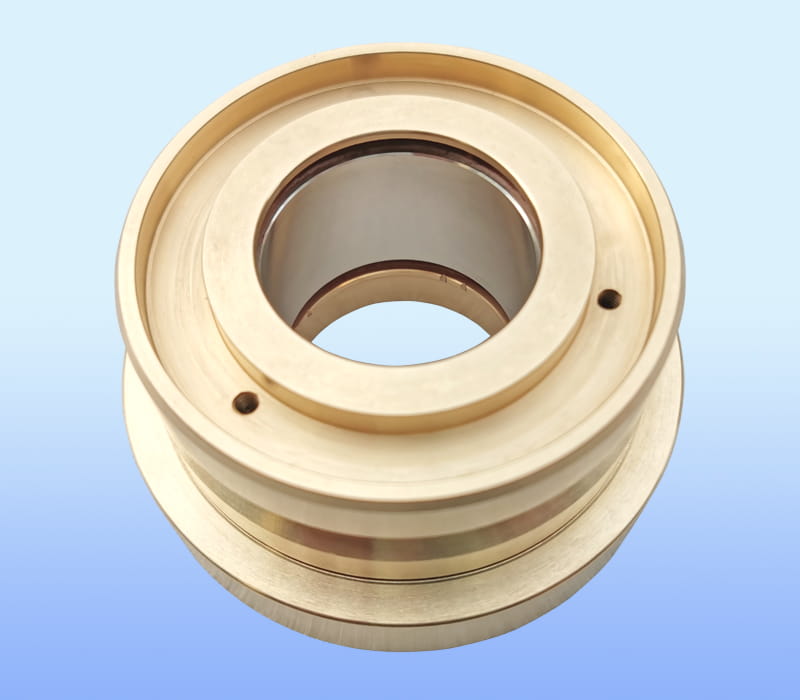
- Materials must be chosen for their strength, wear resistance, and ability to withstand high temperatures. Common materials include bronze and other alloys.
4. How can I determine the ideal clearance for tilting pad bearings?
- The clearance must be optimized based on the load and speed of the gearbox. Too much clearance can inefficiency, while too little can cause overheating and wear.
5. Are custom tilting pad bearings necessary for all gearbox applications?
- Not always, but custom bearings may be required for applications with unique operating conditions or where performance is needed.

 Tel:+86-575 -87957662
 Email:
 English
 中文简体
中文简体