
 Tel:+86-575 -87957662
 Email:
 English
 中文简体
中文简体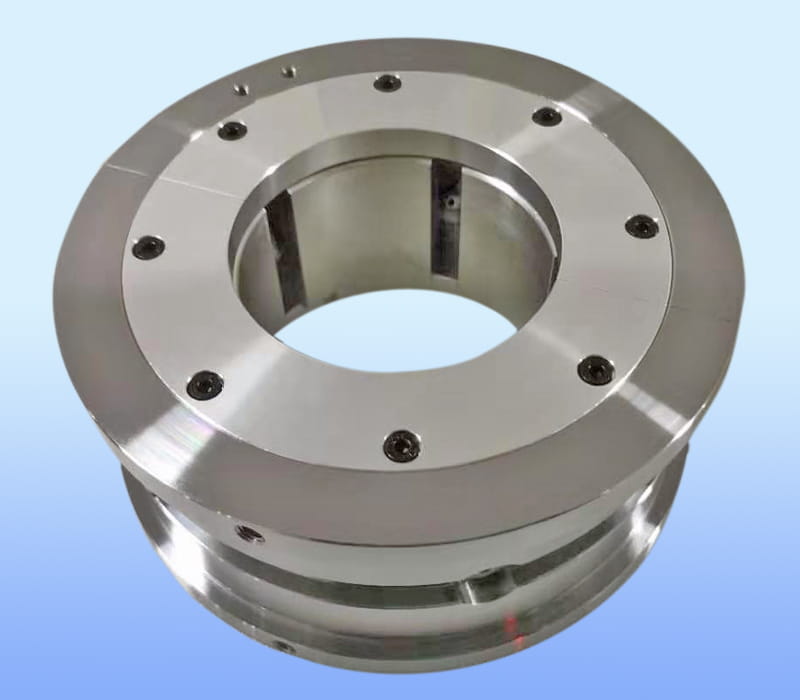
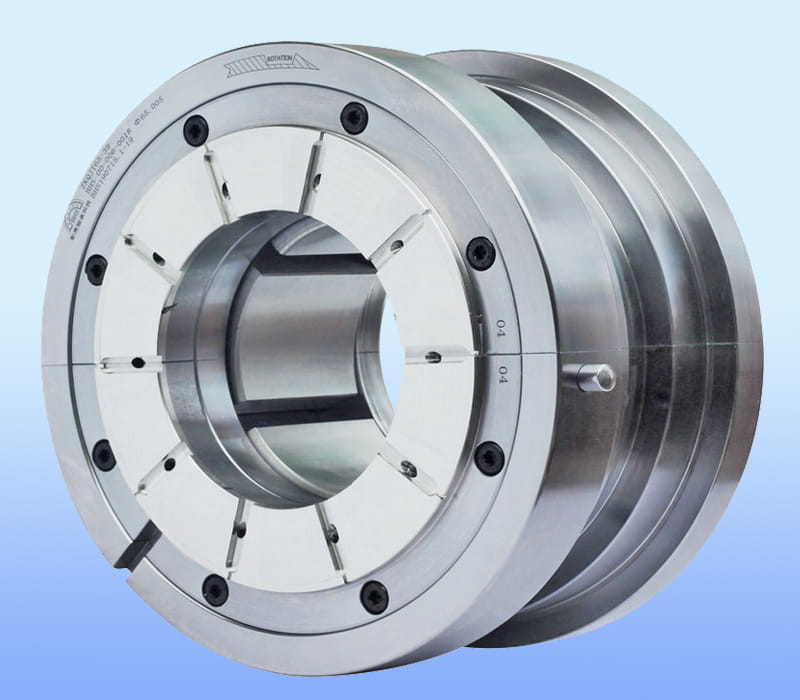
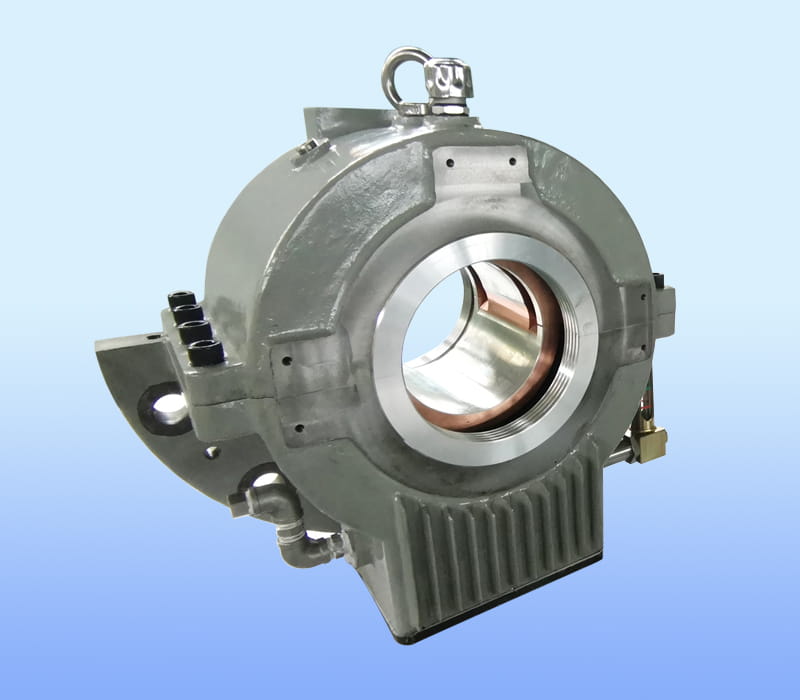
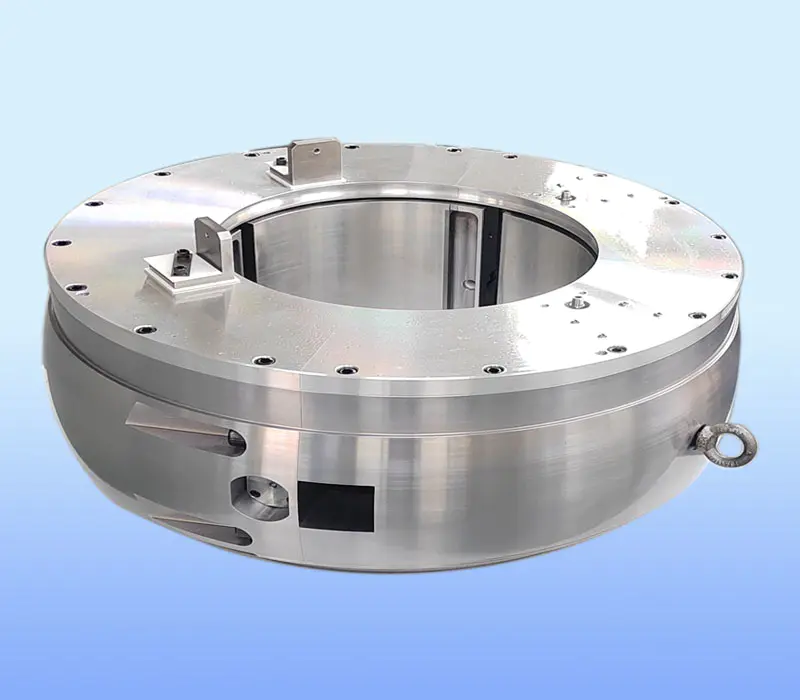
ZHEJIANG BHS JOURNAL BEARING CO.,LTD. located in FengXian District of ZheJiang, the company's brand "BHS", is a professional tilting pad thrust bearings manufacturers and Tilting pad bearings factory...

When selecting tilting pad thrust bearings, various factors need to be considered to ensure that the bearing operates effectively and efficiently under the specific requirements of a given application. These factors include the bearing design, the materials used, the operating environment, and the type of lubrication required.
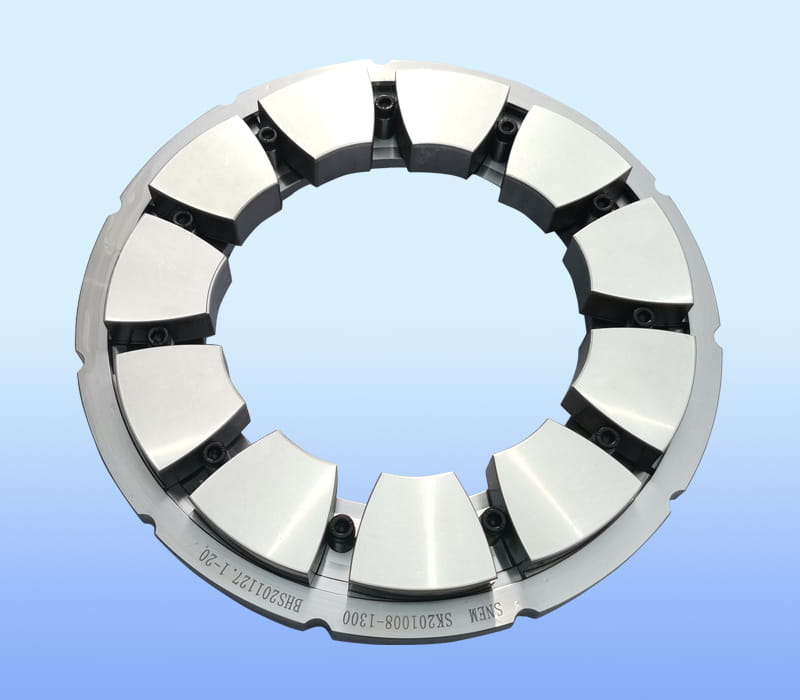
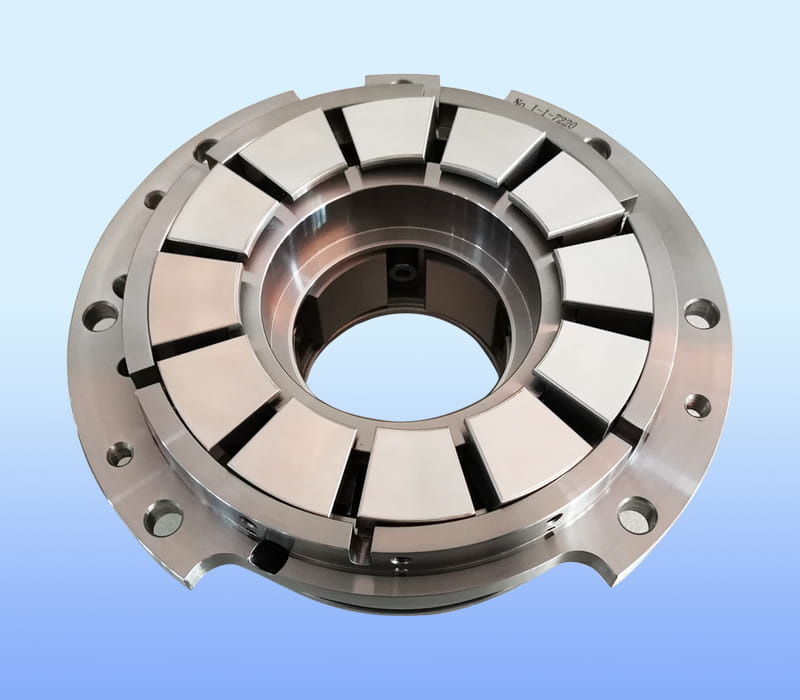
Tilting pad thrust bearings are specialized bearings that are designed to support axial loads in rotary machinery. They consist of multiple pads arranged in a circular formation around a shaft, with each pad being capable of tilting at different angles to accommodate changes in load. This unique design helps to distribute the load evenly and minimizes friction, thereby enhancing the performance and lifespan of the bearing.
One of the important factors in selecting tilting pad thrust bearings is understanding the load requirements of the system. The bearing must be capable of handling the axial load without excessive wear or failure. Several operating conditions influence the load capacity, including the speed of rotation, the magnitude of the axial load, and the ambient temperature.
| Factor | Description |
|---|---|
| Axial Load | The load the bearing can support |
| Rotational Speed | The speed at which the shaft is rotating |
| Temperature Range | The operating temperature conditions |
| Load Distribution | How the load is distributed across the bearing |
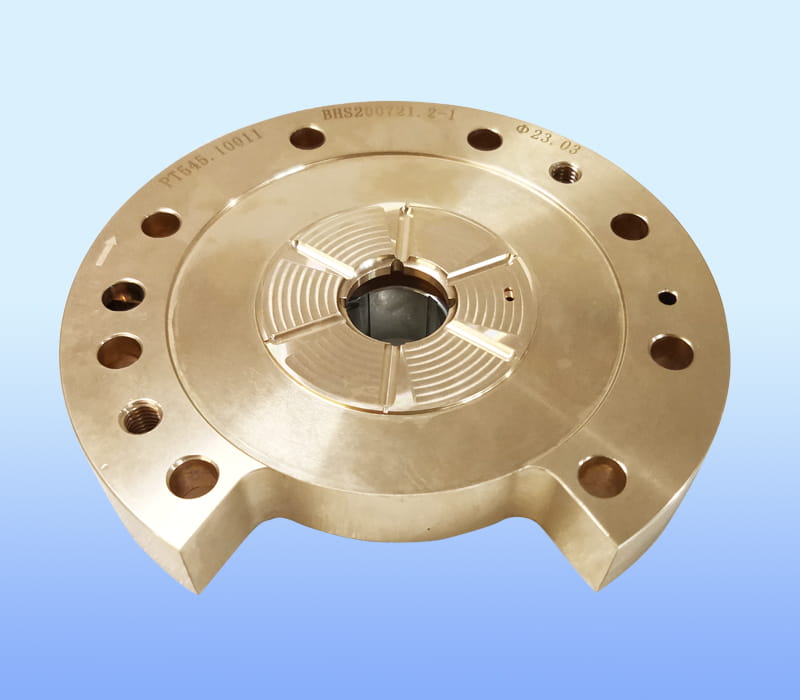
The materials used in the construction of tilting pad thrust bearings have a significant impact on their performance. High-quality materials, such as bronze, steel, and composite materials, are commonly used due to their strength, wear resistance, and ability to withstand high temperatures. The material selection should be based on the specific application, taking into account factors such as corrosion resistance and compatibility with the operating environment.
| Material Type | Advantages | Applications |
|---|---|---|
| Bronze | Good wear resistance, corrosion resistance | Heavy machinery, marine engines |
| Steel | High strength, suitable for high-load applications | Industrial pumps, turbines |
| Composite Materials | Lightweight, resistant to corrosion and wear | Aerospace, power generation |
Lubrication plays a critical role in the performance of tilting pad thrust bearings. Proper lubrication reduces friction, which helps to prevent wear and overheating. There are various lubrication options available, including oil and grease. The choice of lubrication should be based on the operating conditions, such as temperature and load.
| Lubrication Type | Benefits | Ideal Conditions |
|---|---|---|
| Oil (Synthetic or Mineral) | Reduces friction, dissipates heat, prevents rust | High-speed, high-temperature use |
| Grease | Provides continuous lubrication, easy to apply | Low to medium load, sealed systems |
The speed of operation is a key factor that affects the selection of tilting pad thrust bearings. High-speed applications require bearings that can handle rapid rotations while maintaining low levels of friction and wear. The bearing’s ability to operate at various speeds also depends on the design of the pads, the material used, and the lubrication system.
The design of the pads and their geometry can significantly influence the performance of tilting pad thrust bearings. The pad angles, surface finishes, and overall arrangement must be optimized to ensure that the bearing can accommodate the expected loads and speeds. Additionally, the number of pads in the bearing and the way they are mounted will impact its load distribution and performance.
| Design Element | Impact on Performance |
|---|---|
| Pad Angle | Affects load distribution and tilting capability |
| Surface Finish | Impacts friction and wear resistance |
| Number of Pads | Determines the load capacity and distribution |
Environmental factors such as temperature, humidity, and the presence of corrosive substances can all impact the performance of tilting pad thrust bearings. In corrosive environments, materials that are resistant to rust and corrosion should be selected. Additionally, temperature fluctuations may require the use of materials and lubricants that can withstand such conditions.
Regular maintenance and monitoring of tilting pad thrust bearings are crucial for ensuring their longevity and performance. Scheduled inspections can help detect early signs of wear, lubrication issues, or misalignment. Additionally, advancements in bearing monitoring technology, such as vibration sensors and temperature monitoring, can provide real-time data to predict potential failures before they occur.
While it’s important to select a bearing that meets all the technical requirements, cost is also a significant consideration. The initial cost of the bearing, maintenance expenses, and potential downtime should all be taken into account when making a decision. It’s important to find a balance between performance and cost-effectiveness.
1. What is the primary function of tilting pad thrust bearings?
Tilting pad thrust bearings are used to support axial loads in rotating machinery. They ensure smooth and efficient operation by evenly distributing the load across multiple pads that can tilt according to the load direction.
2. How do you determine the right material for a tilting pad thrust bearing?
The right material depends on the application’s requirements, such as load capacity, temperature range, and resistance to corrosion and wear. Common materials include bronze, steel, and composite materials.
3. What lubrication options are available for tilting pad thrust bearings?
Oil (either synthetic or mineral) and grease are the primary lubrication options. Oil is used for high-speed and high-temperature applications, while grease is suitable for low to medium-load, sealed systems.
4. How do speed and load conditions affect the selection of tilting pad thrust bearings?
Higher speeds require bearings that can minimize friction and heat generation. Similarly, heavier loads require bearings with higher load capacity and more robust materials. The bearing’s design must accommodate these factors.
5. Why is regular maintenance important for tilting pad thrust bearings?
Regular maintenance ensures the bearing continues to operate efficiently, preventing failures due to wear, lubrication issues, or misalignment. Monitoring technology can also help predict potential issues before they expensive breakdowns.

ZHEJIANG BHS JOURNAL BEARING CO.,LTD. located in FengXian District of ZheJiang, the company's brand "BHS", is a professional tilting pad thrust bearings manufacturers and Tilting pad bearings factory...
Copyright © 2017 ZHEJIANG BHS JOURNAL BEARING CO.,LTD. All Right Reserved. China Tilting Pad Journal Bearings Manufacturers
