
 Tel:+86-575 -87957662
 Email:
 English
 中文简体
中文简体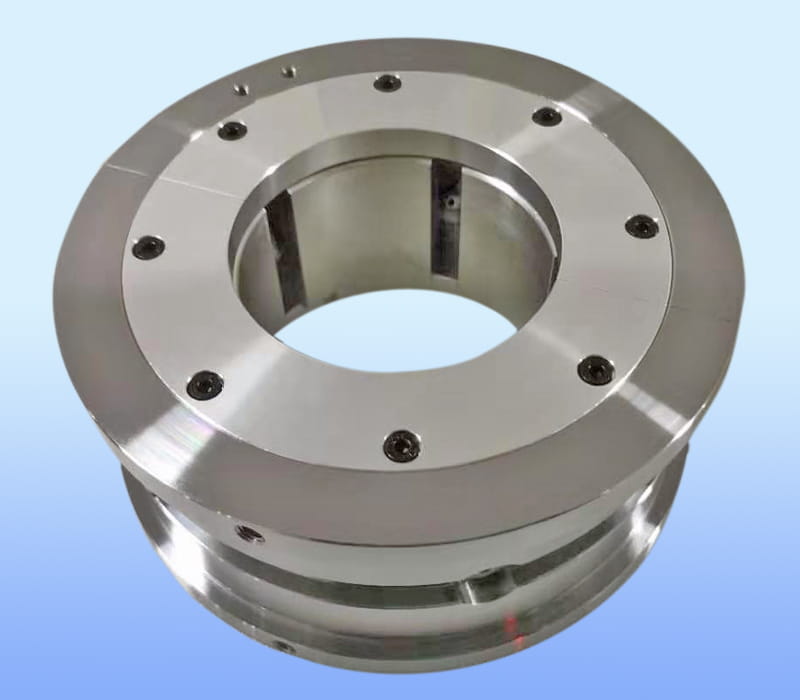
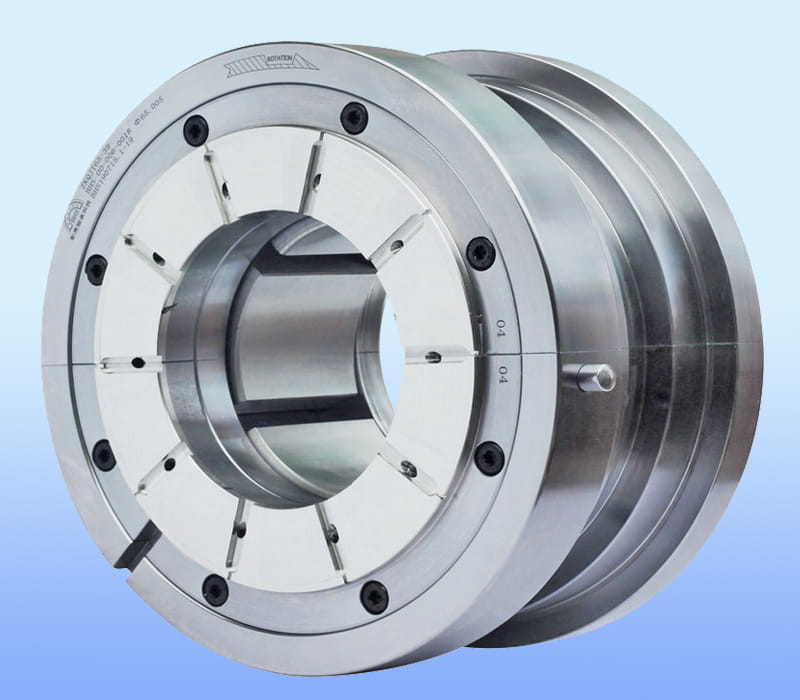
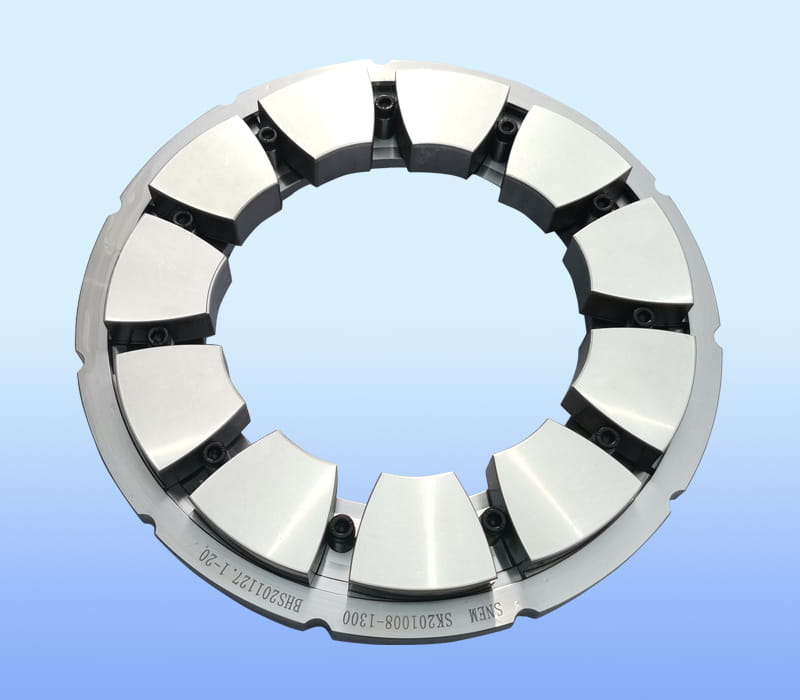
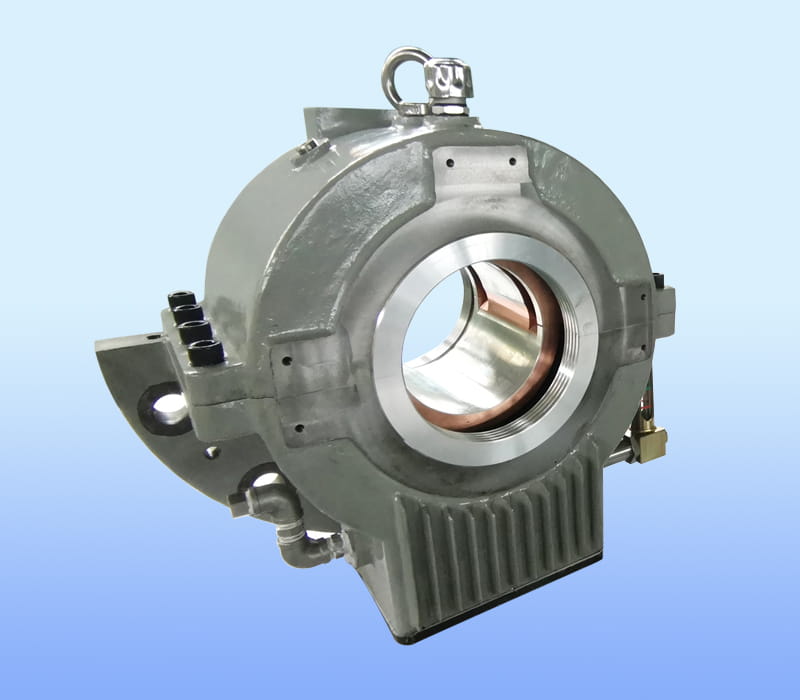
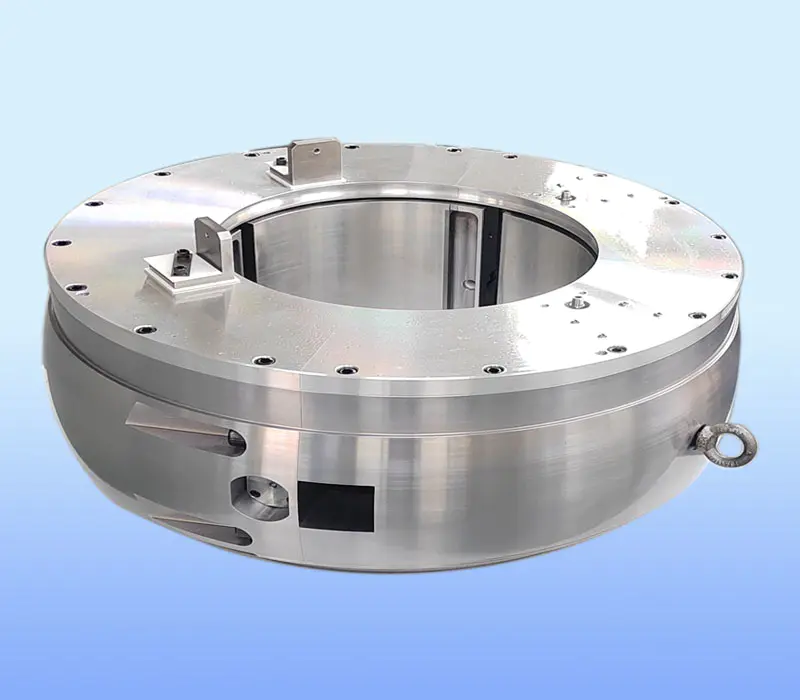
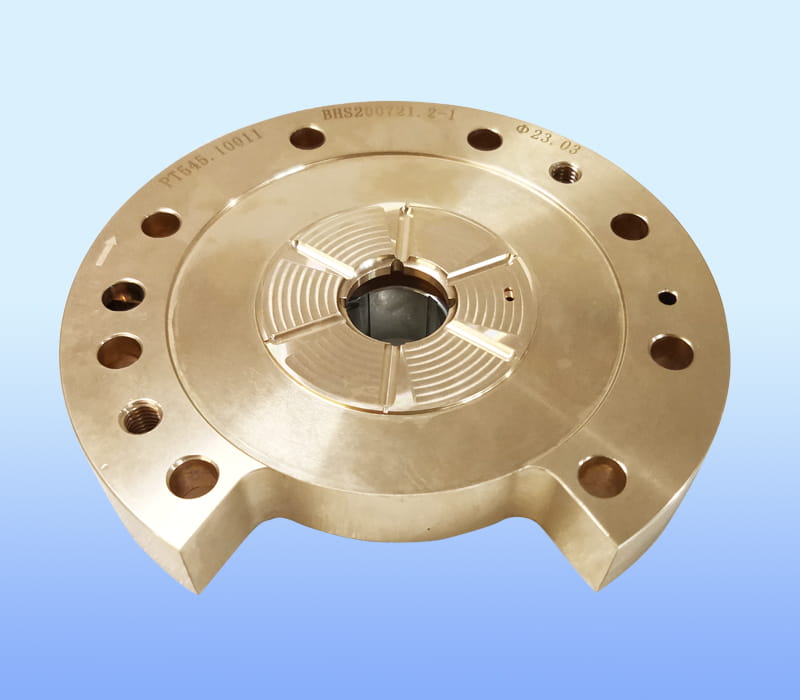
ZHEJIANG BHS JOURNAL BEARING CO.,LTD. located in FengXian District of ZheJiang, the company's brand "BHS", is a professional tilting pad thrust bearings manufacturers and Tilting pad bearings factory...

Compressor bearings are critical components that ensure the smooth functioning of compressors, which are widely used across industries such as refrigeration, air conditioning, and manufacturing. The durability and performance of these bearings directly impact the efficiency and service life of the compressor. However, despite their importance, many users fail to implement the proper maintenance strategies needed to extend the service life of compressor bearings.
A compressor bearing is a device that supports rotating components within a compressor, facilitating smooth operation and minimizing friction. They are typically exposed to high loads, temperatures, and varying pressures. Given these harsh operating conditions, maintaining compressor bearings is crucial for the overall health of the compressor.
Knowing the type of compressor bearing in use is essential for determining the right maintenance strategies.
Several factors contribute to the wear and tear of compressor bearings. Identifying and mitigating these factors can greatly improve the bearings’ longevity.
Lubrication is crucial for reducing friction between moving parts. Poor lubrication or improper lubrication intervals can excessive wear. Using high-quality lubricants recommended by compressor bearing manufacturers and following a consistent lubrication schedule will help maintain performance.
Extreme temperatures can significantly reduce the life of compressor bearings. Bearings that operate at higher temperatures may experience accelerated wear due to the degradation of lubricants and materials. Ensuring that the compressor operates within the recommended temperature range is vital.
Foreign particles such as dust, dirt, and moisture can enter the bearing housing and cause damage. Using high-quality seals and filters will help prevent contamination, ensuring the bearings remain clean and functional.
Overloading a compressor or exposing it to excessive vibrations can result in uneven wear on the bearings. Monitoring load conditions and using vibration dampeners can minimize these stresses.
Routine inspections allow technicians to detect early signs of wear, misalignment, or contamination. Implementing predictive maintenance technologies, such as vibration analysis and thermography, can also help identify potential issues before they become critical.
Improper installation can cause immediate bearing failure. It’s essential to follow manufacturer guidelines for bearing installation, ensuring that all components are aligned and that the bearings are correctly mounted.
Adhere to the lubrication schedules recommended by compressor bearing manufacturers. The right type of lubricant, whether oil or grease, should be used based on the bearing’s application and operating conditions. Automated lubrication systems can help maintain consistency and avoid human error.
Keep the compressor in an environment where the temperature, humidity, and contamination levels are controlled. Using air filters and environmental seals can prevent harmful contaminants from reaching the bearings.
Choosing high-quality bearings from reliable compressor bearing manufacturers is essential. High-grade bearings offer better resistance to wear and can operate more efficiently under conditions. Regularly replacing worn-out bearings with new, quality options can help maintain the compressor’s performance.
| Bearing Type | Recommended Lubricant | Lubricant Frequency |
|---|---|---|
| Ball Bearings | Synthetic oils, Lithium-based grease | Every 1000 hours or based on usage |
| Roller Bearings | High-viscosity oils | Every 500 hours or based on operating conditions |
| Sleeve Bearings | Mineral oils, Grease | Every 300 hours or based on environmental factors |
Noise in bearings can be a sign of misalignment, improper lubrication, or wear. Check for any irregularities in the bearing setup, and ensure that lubrication is adequate.
Overheating bearings often indicate insufficient lubrication or operating in conditions. Monitor the bearing temperature and adjust operating conditions accordingly.
Vibrations can be caused by unbalanced loads, worn-out bearings, or misalignment. Implement vibration analysis tools to monitor and correct these issues.
Q1: How often should compressor bearings be lubricated?
Lubrication frequency depends on the bearing type and operating conditions. Generally, lubrication should be performed every 300 to 1000 hours of operation. Always follow the manufacturer’s recommendation for results.
Q2: Can the environment affect the lifespan of compressor bearings?
Yes, temperatures, humidity, and contamination can all shorten the life of compressor bearings. Proper sealing and temperature regulation can help extend bearing lifespan.
Q3: What are the signs of bearing failure in compressors?
Signs of bearing failure include excessive noise, overheating, vibration, and reduced efficiency. Regular inspections and monitoring can help detect these issues early.
Q4: Is it necessary to replace compressor bearings regularly?
While compressor bearings are durable, they should be replaced when they show signs of wear or damage. Regular inspection and maintenance can help extend their service life.
Q5: How can I ensure the correct installation of compressor bearings?
Correct installation involves following the manufacturer’s guidelines for alignment, load capacity, and lubrication. Professional training and tools can help ensure proper installation.
The service life of compressor bearings can be significantly extended through proper maintenance practices, the right selection of lubricants, and regular inspections. By understanding the factors that affect bearing performance and implementing the practices discussed, industries can reduce downtime, improve efficiency, and ultimately save on repair costs. Whether you’re a maintenance technician or a facility manager, keeping compressor bearings in top condition is key to the reliability of your equipment.
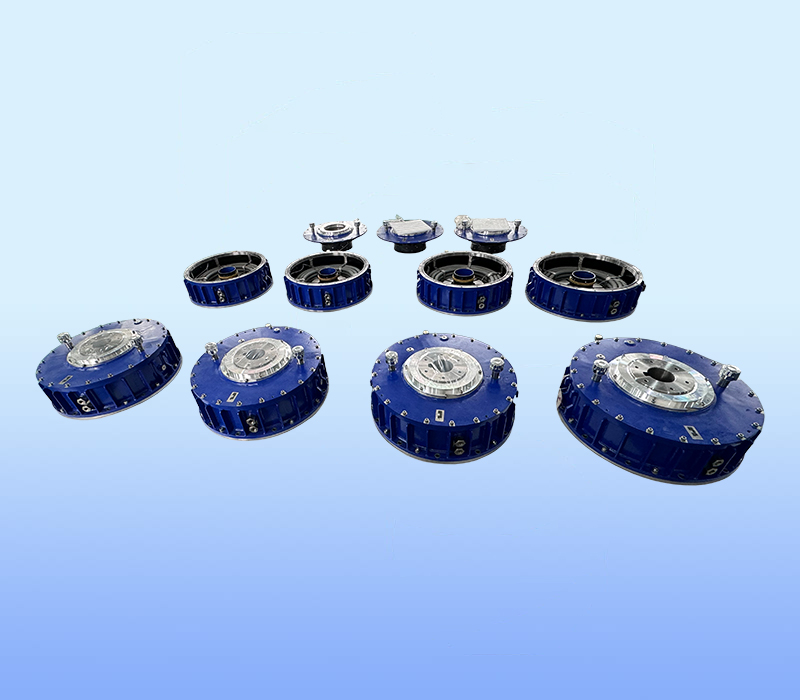

ZHEJIANG BHS JOURNAL BEARING CO.,LTD. located in FengXian District of ZheJiang, the company's brand "BHS", is a professional tilting pad thrust bearings manufacturers and Tilting pad bearings factory...
Copyright © 2017 ZHEJIANG BHS JOURNAL BEARING CO.,LTD. All Right Reserved. China Tilting Pad Journal Bearings Manufacturers
