
 Tel:+86-575 -87957662
 Email:
 English
 中文简体
中文简体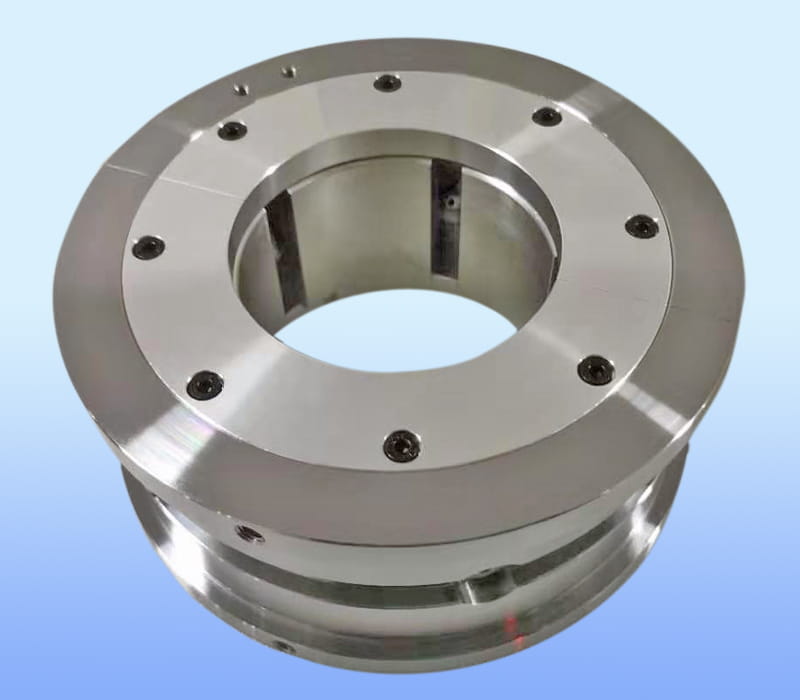
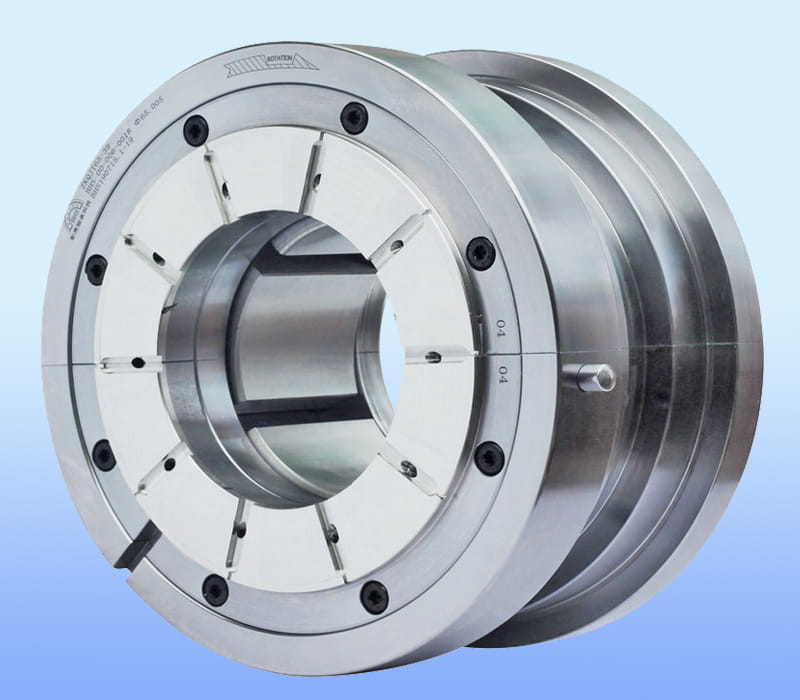
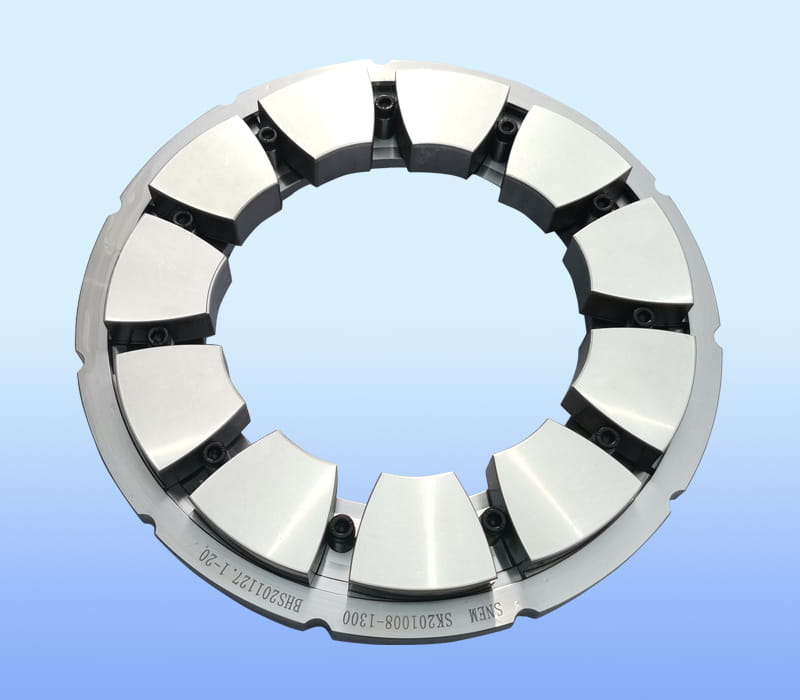
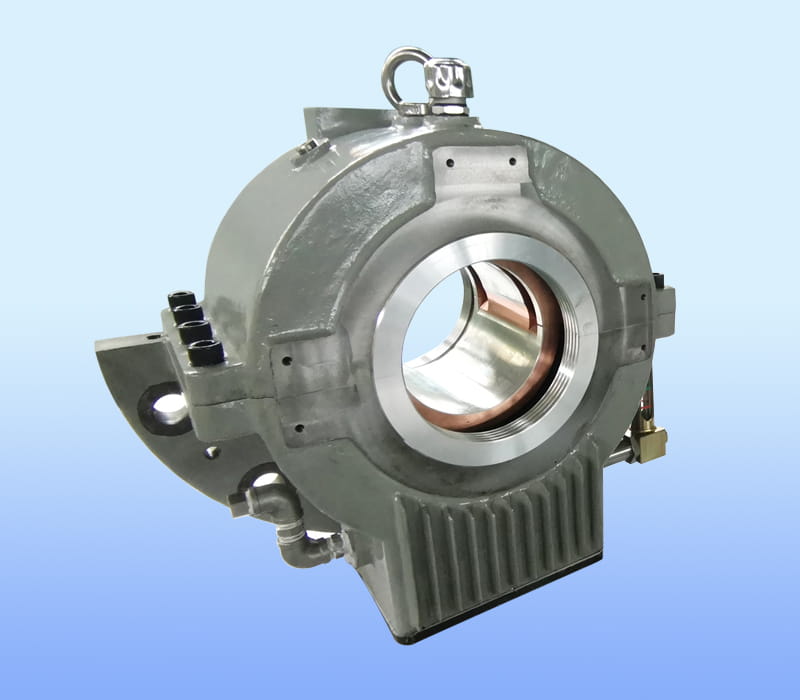
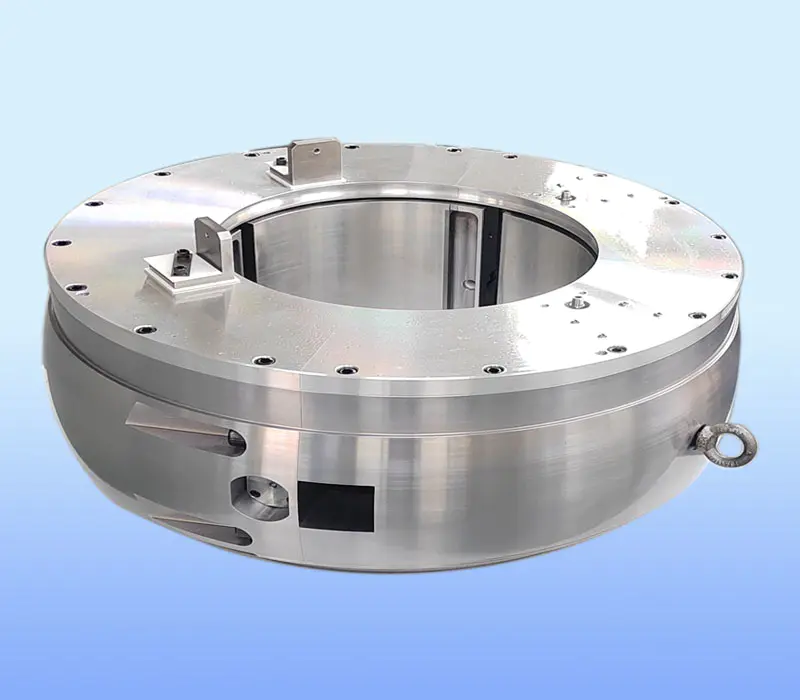
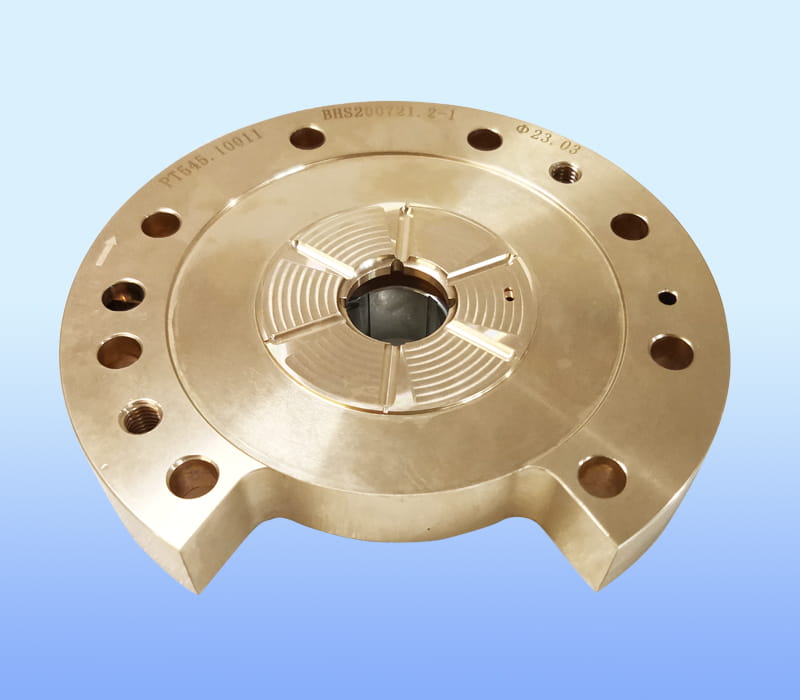
ZHEJIANG BHS JOURNAL BEARING CO.,LTD. located in FengXian District of ZheJiang, the company's brand "BHS", is a professional tilting pad thrust bearings manufacturers and Tilting pad bearings factory...

Gearbox bearings are critical components in the smooth operation of mechanical systems in industrial applications. They are responsible for supporting the rotating shafts in gearboxes and ensuring that the gears operate efficiently. However, the performance and reliability of these bearings can be significantly impacted by the surrounding environmental conditions.
Gearbox bearings provide essential support for the shafts and gears in machinery, ensuring proper alignment, reducing friction, and enhancing operational efficiency. These bearings are used in various sectors, including manufacturing, automotive, aerospace, and energy, among others. They must withstand harsh working conditions to prevent system failures that could expensive downtime and repairs.
Temperature plays a crucial role in the performance of gearbox bearings. Both high and low temperatures can affect the materials used in bearings, which may cause changes in their mechanical properties.
At elevated temperatures, the lubricants in gearbox bearings can degrade more quickly, reducing their effectiveness. This can increased wear and tear on the bearings, resulting in premature failure. Additionally, high temperatures can cause thermal expansion of the materials, which results in misalignment and increased friction.
On the other hand, low temperatures can cause lubricants to become too viscous, impairing their ability to reduce friction effectively. This increases the load on the bearing and can cause it to overheat under stress. Extreme cold can also make certain materials brittle, which may cause cracking and failure under pressure.
| Temperature Range | Effect on Bearing Performance | Recommended Action |
|---|---|---|
| High (>100°C) | Lubricant degradation, thermal expansion | Use high-temperature resistant bearings and lubricants |
| Low (<0°C) | Increased viscosity, brittleness of materials | Use low-temperature bearings with specialized lubricants |
Excessive moisture and humidity are detrimental to the reliability of gearbox bearings. Bearings exposed to high humidity levels can absorb moisture, which results in rust and corrosion. This corrosion weakens the bearing materials, increases friction, and can ultimately cause bearing failure.
Moisture accelerates the oxidation of steel components in bearings, causing rust formation. Rust increases the roughness of bearing surfaces, which results in more wear. Additionally, water contamination in lubricants breaks down the oil film, allowing metal-to-metal contact and further accelerating bearing wear.
To minimize the effects of moisture, it is essential to use sealed bearings or implement protective coatings. Additionally, maintaining proper sealing in the gearbox housing can prevent moisture ingress.
| Humidity Level | Effect on Bearing Performance | Recommended Action |
|---|---|---|
| High (>60%) | Rust, corrosion, lubricant degradation | Use sealed bearings and corrosion-resistant materials |
| Low (<30%) | Drying of lubricants, potential for over-heating | Regular lubrication and moisture control |
Contamination from particles, dust, dirt, or chemicals can severely compromise the performance of gearbox bearings. Contaminants can enter the bearing surfaces, causing abrasive wear and increasing the friction within the gearbox.
Particles such as dust or metal shavings can act as abrasives, causing surface damage to bearing races and rolling elements. Over time, this reduces the bearing's ability to operate smoothly, resulting in higher operational costs and increased downtime.
Chemical exposure, such as from corrosive fluids or oils, can degradation of bearing materials. Chemicals can alter the lubricants’ chemical structure, reducing their ability to maintain the correct viscosity, which is essential for reducing friction.
To protect gearbox bearings from contamination, it’s essential to use high-quality filters in the lubrication systems, ensure proper sealing of the gearbox housing, and regularly clean and inspect the system for contamination.
| Type of Contaminant | Effect on Bearing Performance | Recommended Action |
|---|---|---|
| Dust/Dirt | Abrasive wear, increased friction | Use high-quality filters, sealed bearings |
| Chemicals | Material degradation, lubricant breakdown | Select corrosion-resistant materials, regular maintenance |
Vibration is an inherent factor in many industrial environments, and excessive vibration can significantly affect the reliability of gearbox bearings. Vibration can be caused by misalignment, imbalance, or even external forces acting on the gearbox.
Vibration leads to increased wear and tear on gearbox bearings due to the cyclic loading it induces. Over time, this can cause pitting or surface fatigue in the bearing components. Excessive vibration also leads to increased energy consumption and a decrease in system efficiency.
Minimizing vibration involves ensuring proper alignment and balance of the gears and shafts. Regular maintenance and vibration monitoring systems can also help detect potential issues early.
| Vibration Level | Effect on Bearing Performance | Recommended Action |
|---|---|---|
| High vibration | Surface damage, wear, and misalignment | Proper alignment, balancing, and vibration monitoring |
| Low vibration | Increased bearing life | Regular inspection and maintenance |
Environmental conditions play a significant role in the reliability and longevity of gearbox bearings. Understanding how temperature, humidity, contamination, and vibration affect bearing performance is crucial for maintaining operational efficiency in industrial systems. By implementing the right maintenance practices and using high-quality materials and components, it is possible to mitigate these effects and extend the lifespan of gearbox bearings.
1. How do high temperatures affect gearbox bearings?
High temperatures can cause lubricant degradation and thermal expansion of bearing materials, which increases friction and wear.
2. Can humidity damage gearbox bearings?
Yes, excessive humidity can cause rust and corrosion, weakening the bearing material and increasing wear.
3. How can contamination be prevented in gearbox bearings?
Using high-quality filters, sealed bearings, and maintaining proper sealing in the gearbox housing can prevent contamination.
4. What role does vibration play in gearbox bearing failure?
Excessive vibration increases wear and can cause surface damage or fatigue in the bearings, which may result in premature failure.
5. What are the materials for gearbox bearings in harsh environments?
Corrosion-resistant materials and sealed bearings are ideal for harsh environments to prevent damage from moisture and contamination.
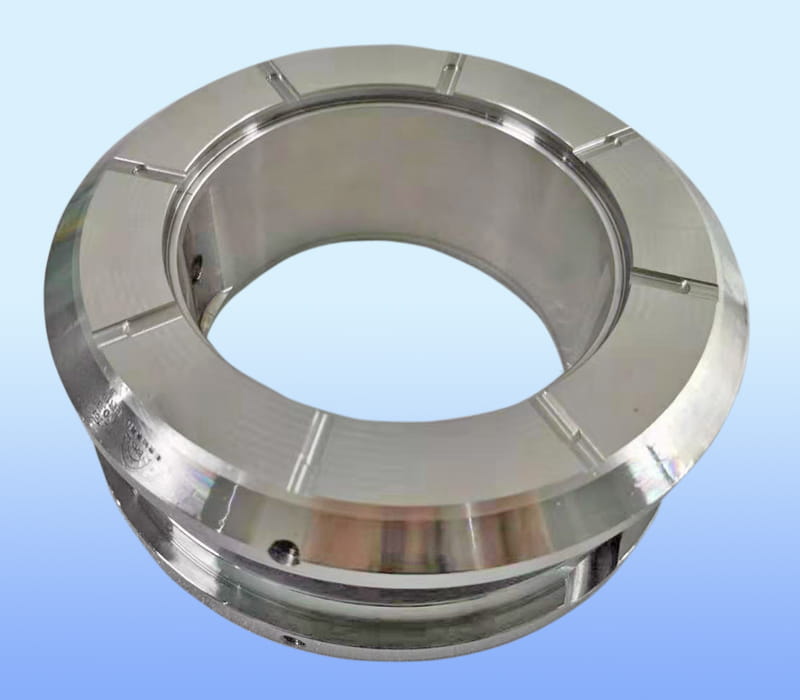

ZHEJIANG BHS JOURNAL BEARING CO.,LTD. located in FengXian District of ZheJiang, the company's brand "BHS", is a professional tilting pad thrust bearings manufacturers and Tilting pad bearings factory...
Copyright © 2017 ZHEJIANG BHS JOURNAL BEARING CO.,LTD. All Right Reserved. China Tilting Pad Journal Bearings Manufacturers
