
 Tel:+86-575 -87957662
 Email:
 English
 中文简体
中文简体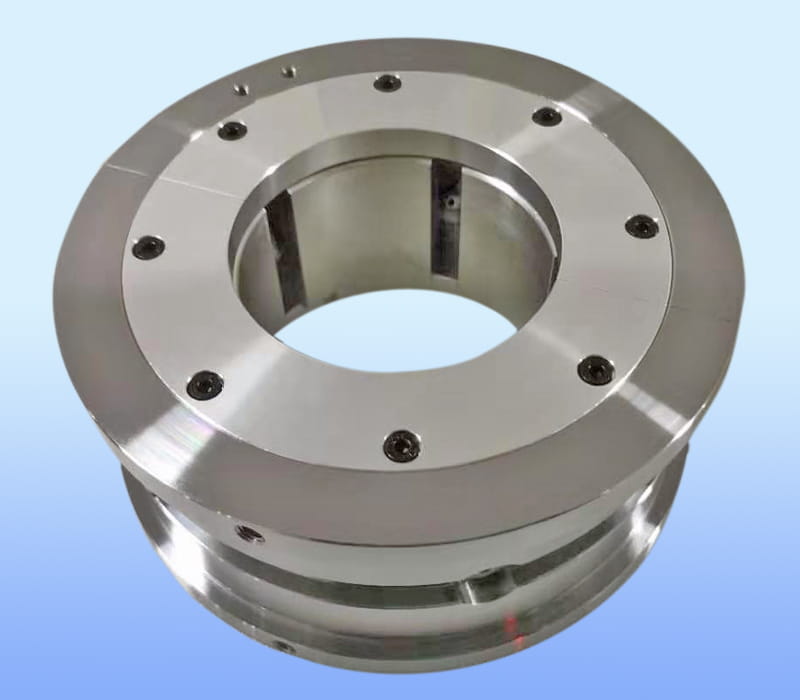
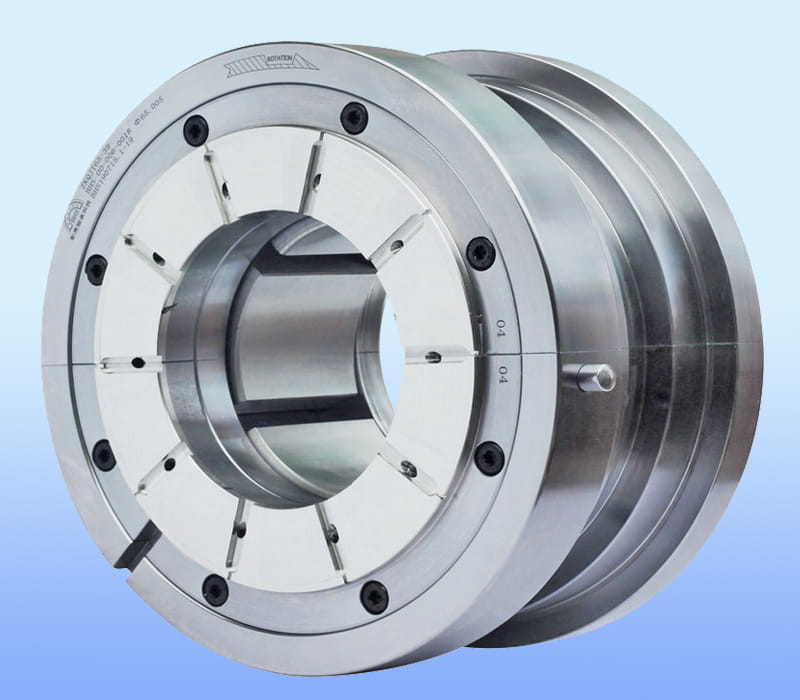
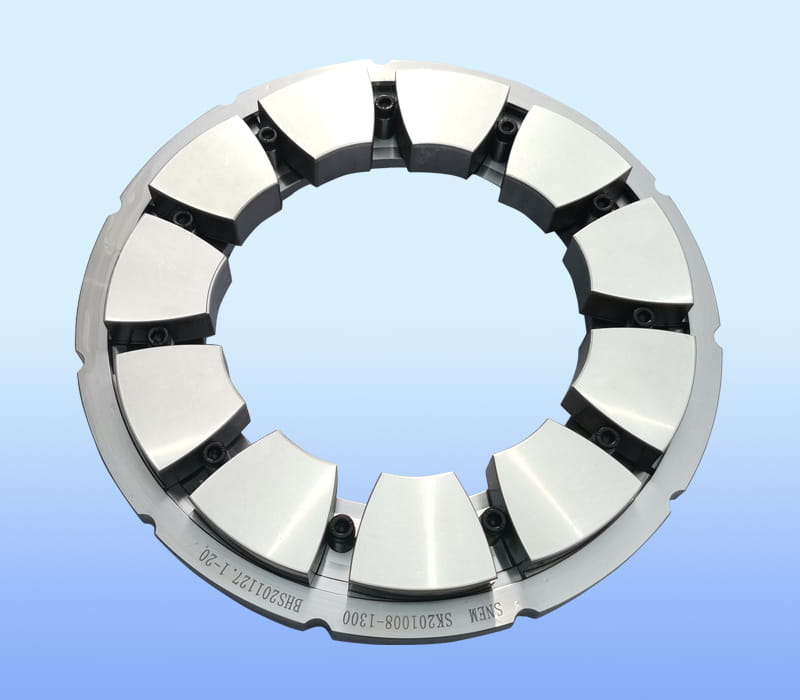
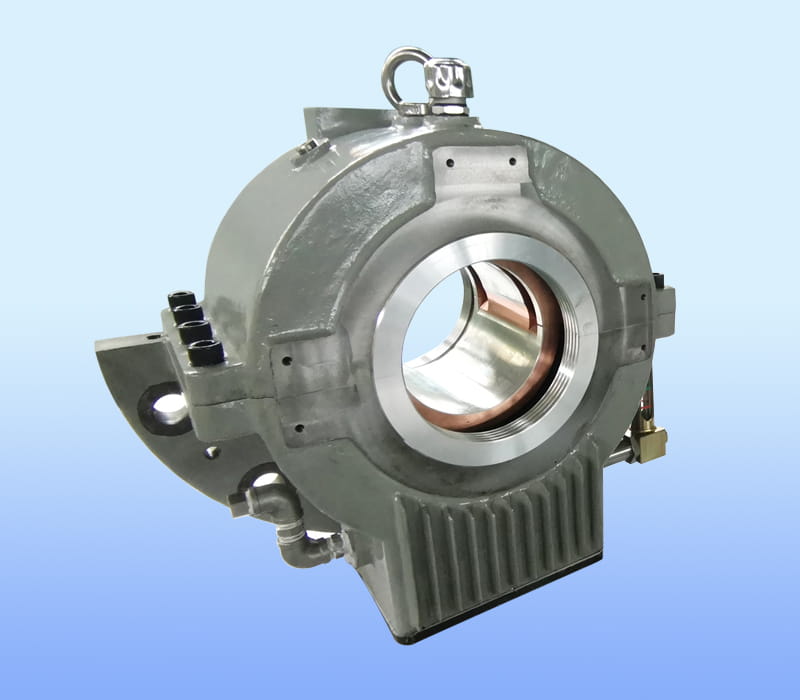
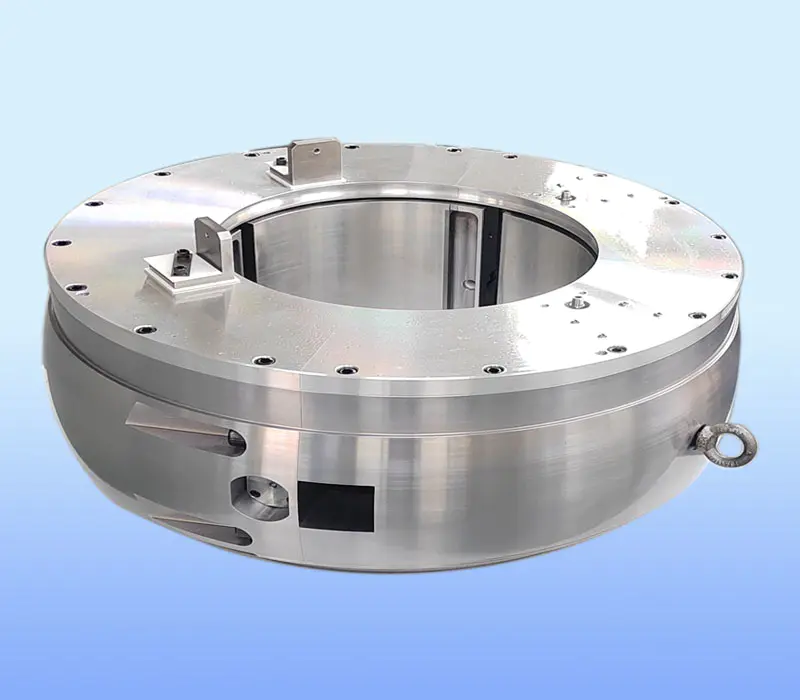
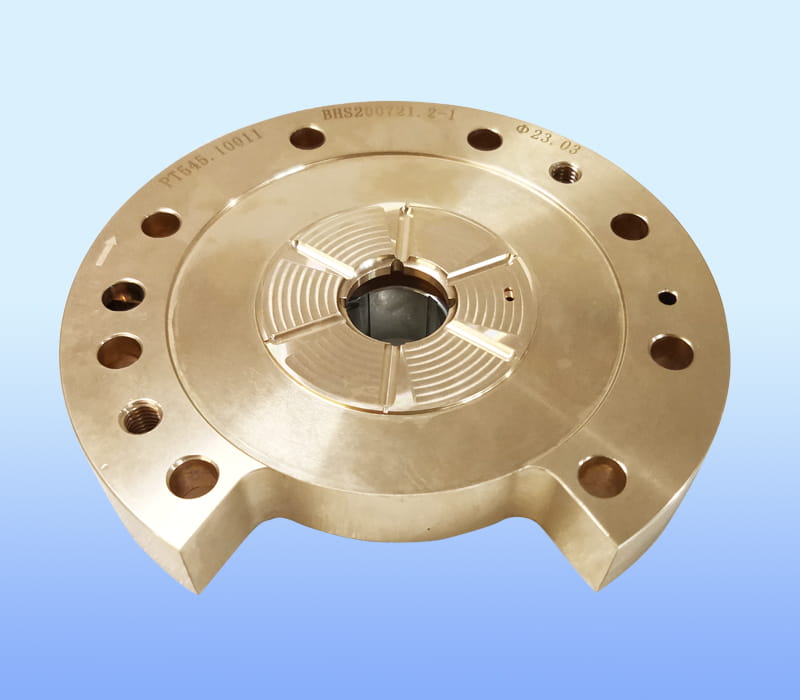
ZHEJIANG BHS JOURNAL BEARING CO.,LTD. located in FengXian District of ZheJiang, the company's brand "BHS", is a professional tilting pad thrust bearings manufacturers and Tilting pad bearings factory...

Compressor bearings are integral components in the efficient functioning of compressors used in a variety of industries, from refrigeration systems to industrial machinery. The performance of compressor bearings plays a critical role in the overall efficiency, reliability, and lifespan of a compressor unit. A thorough understanding of the factors that influence bearing performance is essential for efficiency and minimizing downtime.
The materials used to manufacture compressor bearings are one of the important factors affecting their performance. Bearings are typically made from high-grade steel, ceramic, or composite materials, each offering unique benefits in terms of strength, wear resistance, and heat tolerance.
Key points about material quality:
Lubrication is vital to reducing friction between the moving parts of a compressor bearing, ensuring smoother operation, and extending the bearing’s lifespan. Insufficient or poor-quality lubrication can excessive wear, overheating, and premature failure of the bearing.
Key factors in lubrication:
Temperature control is another crucial aspect of compressor bearing performance. Excessive heat can cause bearings to degrade rapidly, which results in reduced efficiency and eventual failure. The operation of a compressor naturally generates heat, but if temperatures are not properly managed, it can cause problems in bearing function.
Key considerations for temperature management:
The load and pressure exerted on compressor bearings significantly impact their performance and lifespan. In compressors, bearings are responsible for handling radial and axial loads, which can vary depending on the type of compressor and its application.
Factors related to load and pressure:
Vibration and misalignment are common issues in compressors that can negatively affect bearing performance. Misaligned components can cause excessive stress on bearings, while vibrations can increased wear and even bearing failure over time.
Key points regarding vibration and alignment:
Operating conditions such as speed, load cycles, and environmental factors also play a significant role in the performance of compressor bearings. Harsh or fluctuating environments can accelerate wear and cause premature failure of the bearings.
Important environmental considerations:
| Factor | Description | Impact on Performance |
|---|---|---|
| Material Quality | High-strength alloys, ceramics, corrosion resistance | Increased durability, wear resistance |
| Lubrication | Oil, grease, viscosity, lubrication frequency | Reduced friction, prevents overheating, extends lifespan |
| Temperature Control | Cooling systems, managing heat dissipation | Prevents overheating, maintains performance |
| Load and Pressure | Radial and axial loads, pressure fluctuations | Prevents wear and failure, ensures stability |
| Vibration and Alignment | Proper alignment, vibration dampening | Reduces wear, maintains bearing stability |
| Operating Conditions | Speed, environmental factors, contaminants | Protects from environmental damage, ensures performance |
Understanding the key factors affecting compressor bearing performance is essential for optimizing compressor efficiency, durability, and overall system reliability. By ensuring proper material selection, lubrication, temperature control, load distribution, alignment, and environmental management, compressor bearings can deliver long-lasting, high-performance results.
1. What materials are for compressor bearings?
High-grade steel, ceramics, and composite materials are commonly used for compressor bearings due to their strength, wear resistance, and heat tolerance.
2. How does lubrication affect compressor bearing performance?
Proper lubrication reduces friction, prevents overheating, and extends bearing life. The type and viscosity of lubricant used should match the compressor’s operating conditions.
3. Why is temperature control important for compressor bearings?
Excessive heat can degrade bearing materials and reduce their efficiency. Proper cooling systems ensure that bearings operate within temperature ranges.
4. What impact do load and pressure have on compressor bearings?
Uneven or excessive loads and fluctuating pressures can wear and instability. Even load distribution is critical for bearing longevity.
5. How can vibration and misalignment affect compressor bearings?
Misalignment and excessive vibration can impose additional stress on bearings, resulting in premature failure. Correct alignment and vibration damping help mitigate these effects.
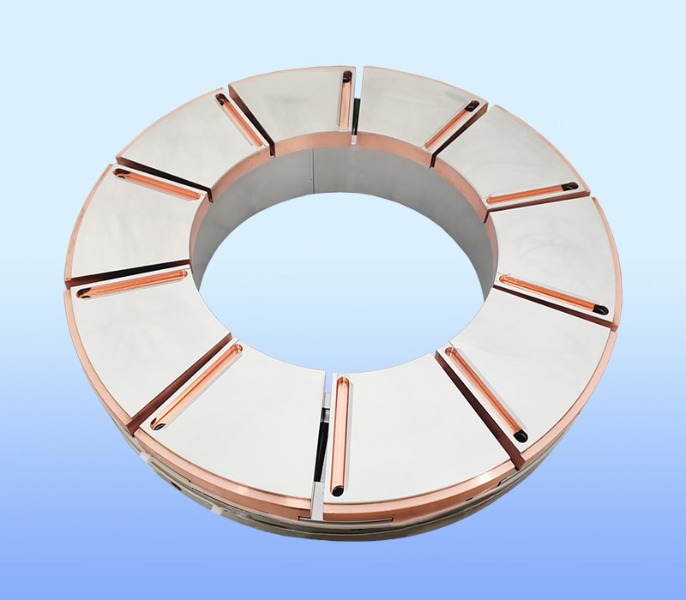

ZHEJIANG BHS JOURNAL BEARING CO.,LTD. located in FengXian District of ZheJiang, the company's brand "BHS", is a professional tilting pad thrust bearings manufacturers and Tilting pad bearings factory...
Copyright © 2017 ZHEJIANG BHS JOURNAL BEARING CO.,LTD. All Right Reserved. China Tilting Pad Journal Bearings Manufacturers
