
 Tel:+86-575 -87957662
 Email:
 English
 中文简体
中文简体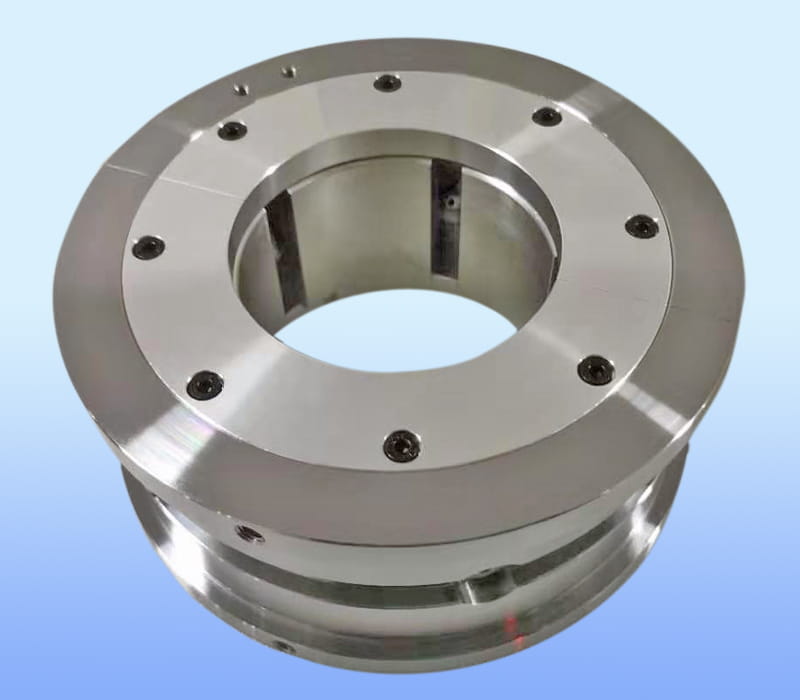
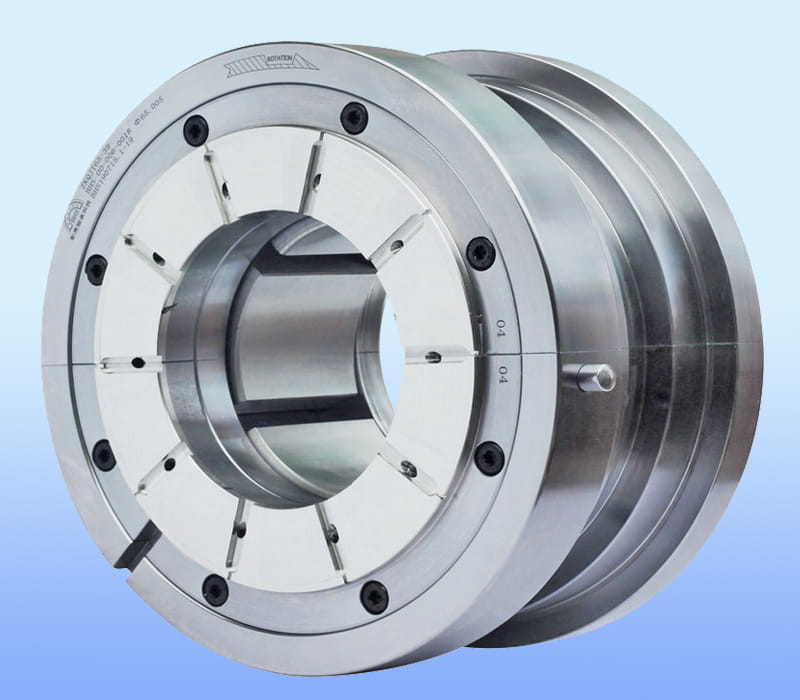
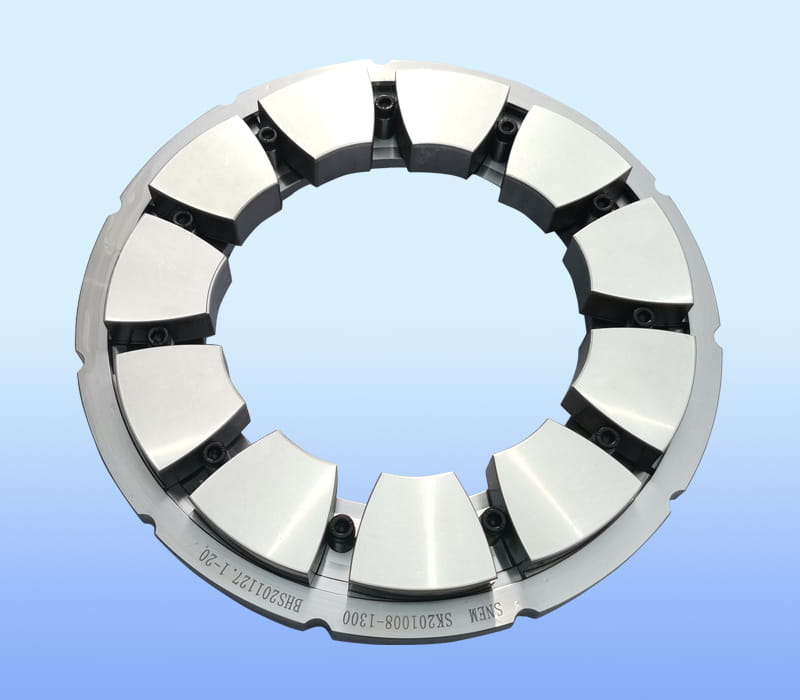
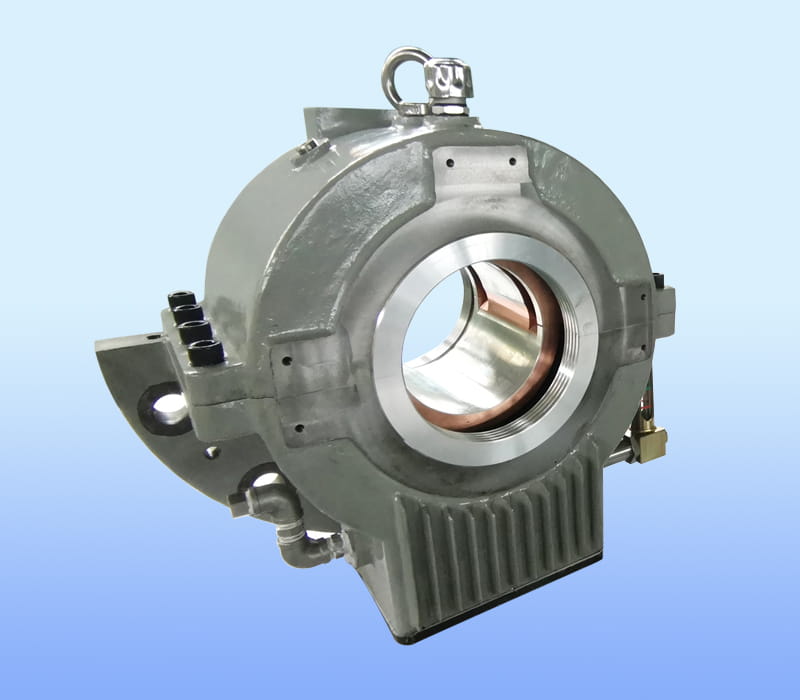
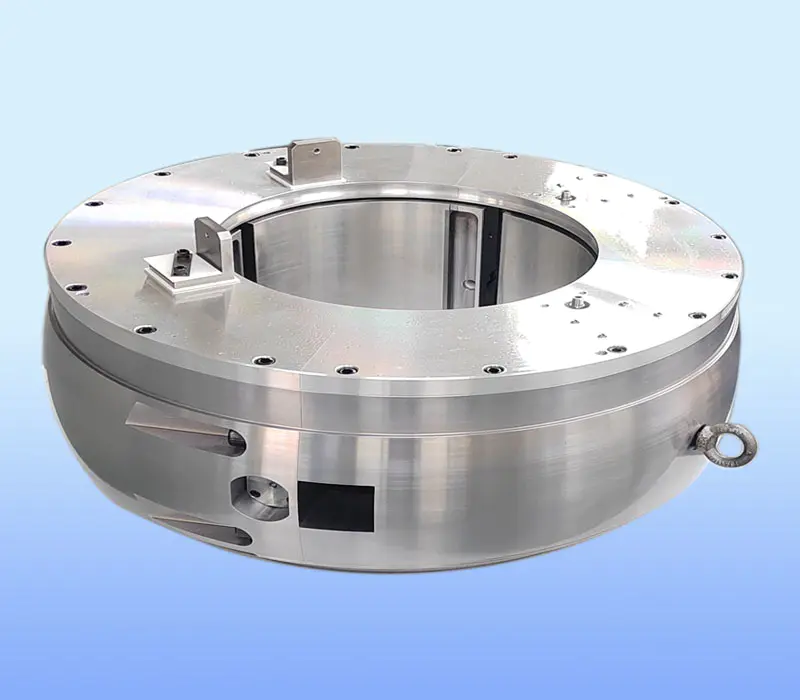
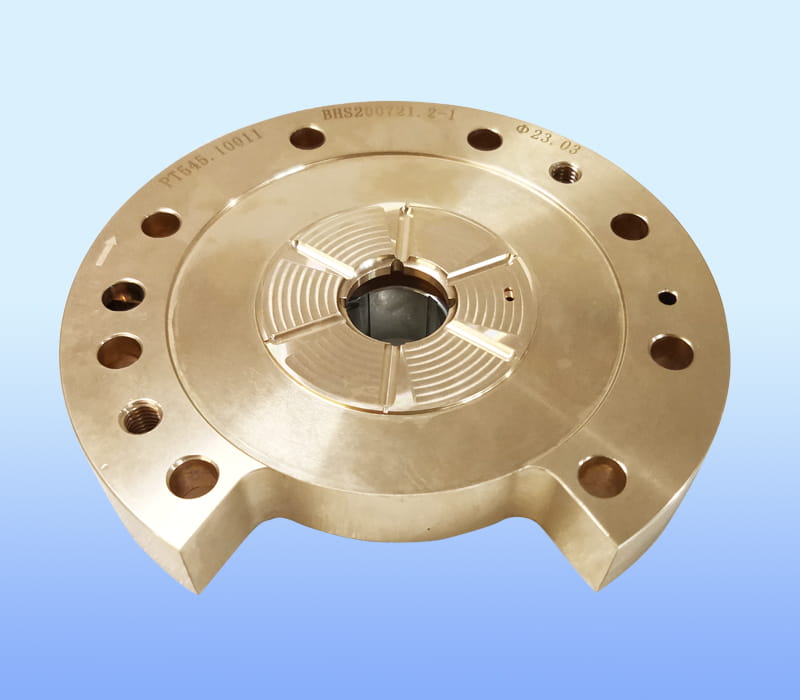
ZHEJIANG BHS JOURNAL BEARING CO.,LTD. located in FengXian District of ZheJiang, the company's brand "BHS", is a professional tilting pad thrust bearings manufacturers and Tilting pad bearings factory...

In the world of mechanical engineering, the type of bearing used can significantly impact the performance, efficiency, and lifespan of machinery. Journal bearings are one of the common types of bearings used in various industrial applications, particularly in high-speed motors.
Journal bearings are a type of plain bearing where a shaft, or “journal,” rotates within a cylindrical sleeve or bearing. Unlike ball bearings or roller bearings, journal bearings do not use rolling elements. Instead, they rely on a thin film of lubricant to separate the moving parts, minimizing friction and wear. These bearings are often found in high-speed motors, compressors, turbines, and other machinery that requires reliable, low-friction components.
One of the main advantages of journal bearings is their ability to reduce friction between the shaft and the bearing surface. Since they rely on a thin film of lubricant to separate the moving parts, there is minimal direct contact between the components. This lubrication reduces friction, which in turn reduces heat generation, making journal bearings a choice for high-speed motors. In applications where excessive heat can premature wear and failure, journal bearings provide a significant performance advantage.
Journal bearings are designed to handle higher loads compared to other types of bearings. The load is distributed over a larger surface area, which allows journal bearings to support heavy machinery without experiencing the localized stress that can occur with rolling-element bearings. This makes them ideal for applications such as turbines and large electric motors, where heavy loads are common.
Due to their simple design and ability to operate with minimal friction, journal bearings tend to have a longer service life than other bearing types. The absence of rolling elements means there are fewer parts that can wear out or fail. Additionally, journal bearings are less sensitive to misalignment and contamination, which can cause premature failure in ball or roller bearings. This durability is especially important in industrial applications where downtime can be costly.
Journal bearings typically require less maintenance than other bearing types. Since they do not have rolling elements, there are fewer parts that need to be inspected, lubricated, or replaced. Furthermore, the ability to run at lower temperatures and with less friction means there is less wear on the components, which can reduce the frequency of maintenance intervals and increase operational efficiency.
While the initial cost of journal bearings may be higher than some alternatives, their long-term benefits often make them more cost-effective. The reduced need for maintenance, coupled with their ability to handle higher loads and operate more efficiently, translates into lower operational costs over time. For industries that rely on high-speed motors, the investment in journal bearings can pay off through improved reliability and reduced downtime.
| Bearing Type | Advantages | Disadvantages |
|---|---|---|
| Journal Bearings | Low friction, high load capacity, durable, low maintenance | Requires precise lubrication, larger size compared to rolling bearings |
| Ball Bearings | High precision, compact size | Higher friction, limited load capacity |
| Roller Bearings | High load capacity, efficient | Larger, more complex, higher friction than journal bearings |
| Magnetic Bearings | No physical contact, frictionless | Expensive, complex technology, requires power to maintain the magnetic field |
In comparison to other bearing types, journal bearings stand out for their simplicity, durability, and ability to operate efficiently under heavy loads. While other bearings like ball and roller bearings offer high precision, they often fall short when it comes to handling conditions, such as high speeds and large loads, which are where journal bearings excel.
Journal bearings are particularly effective in high-speed motor applications, where minimizing friction is crucial to maintaining efficiency. These bearings can handle the high rotational speeds and loads common in electric motors, turbines, and compressors. Their ability to operate at high speeds without generating excessive heat makes them an essential component in many industrial systems.
While journal bearings offer numerous advantages, it’s essential to consider several factors when selecting the right bearing for your application:
Q1: How do journal bearings reduce friction in high-speed motors?
Journal bearings rely on a thin film of lubricant between the shaft and the bearing surface, minimizing direct contact and thus reducing friction and heat generation.
Q2: What are the disadvantages of using journal bearings?
Journal bearings require precise lubrication and can be larger in size compared to rolling-element bearings. They are also more sensitive to contamination and require proper alignment to function effectively.
Q3: Are journal bearings suitable for high-load applications?
Yes, journal bearings are ideal for high-load applications because they distribute the load over a larger surface area, reducing the risk of localized stress.
Q4: How long do journal bearings last compared to other bearing types?
Journal bearings generally have a longer lifespan than ball and roller bearings due to their simple design and ability to operate with minimal friction.
Q5: Are there any special maintenance requirements for journal bearings?
Journal bearings require regular lubrication maintenance and monitoring of shaft alignment, but they generally have lower maintenance needs compared to other bearing types.
Journal bearings are a choice for high-speed motors and other industrial applications where durability, load capacity, and low friction are paramount. While they may require more careful attention to lubrication and alignment, their long-term benefits in terms of cost-effectiveness, reliability, and performance make them a preferred option in many high-performance systems. By understanding the advantages and considerations associated with journal bearings, engineers can make informed decisions when selecting the right bearing for their machinery.
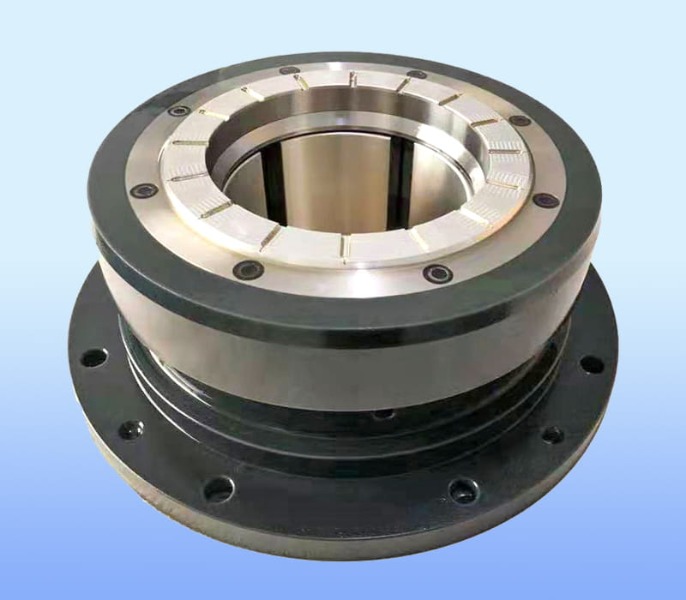

ZHEJIANG BHS JOURNAL BEARING CO.,LTD. located in FengXian District of ZheJiang, the company's brand "BHS", is a professional tilting pad thrust bearings manufacturers and Tilting pad bearings factory...
Copyright © 2017 ZHEJIANG BHS JOURNAL BEARING CO.,LTD. All Right Reserved. China Tilting Pad Journal Bearings Manufacturers
