
 Tel:+86-575 -87957662
 Email:
 English
 中文简体
中文简体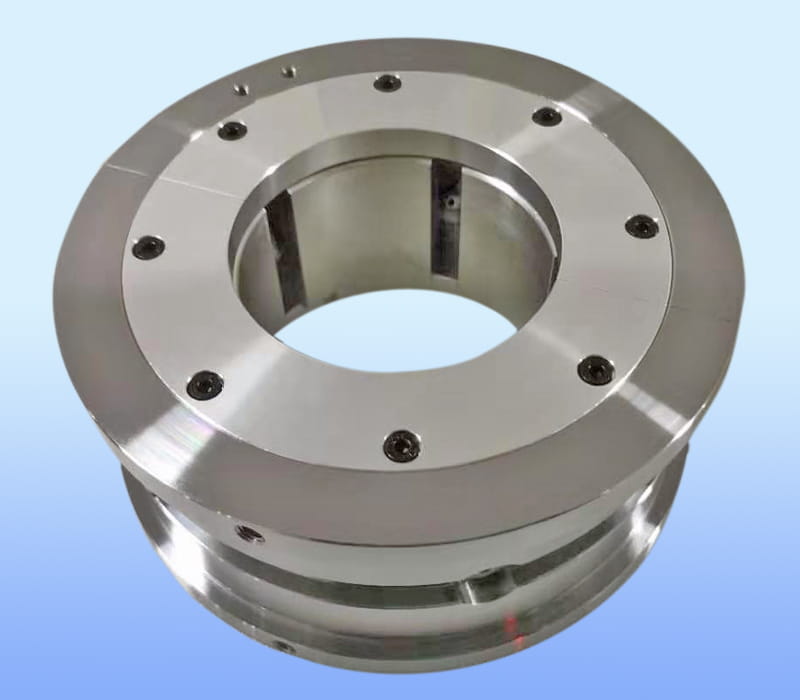
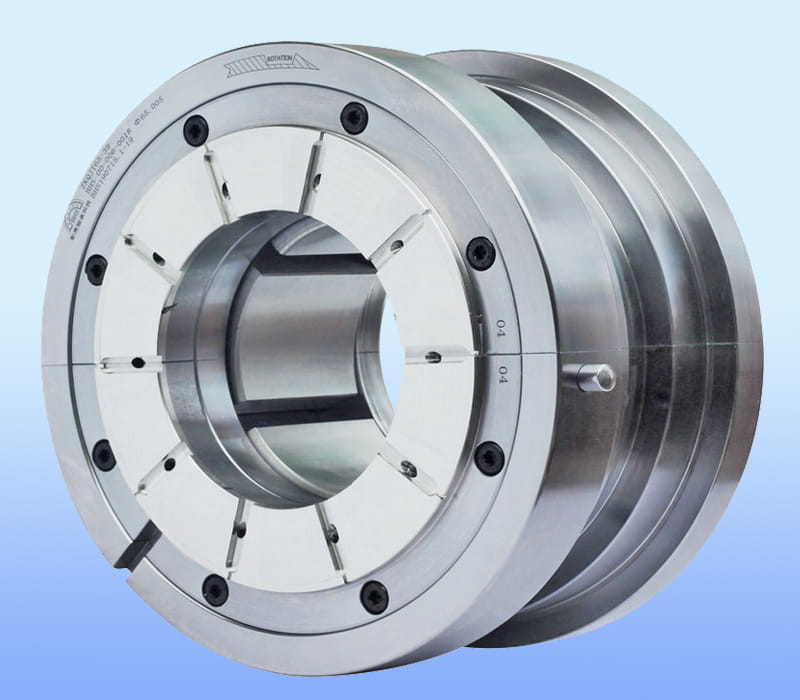
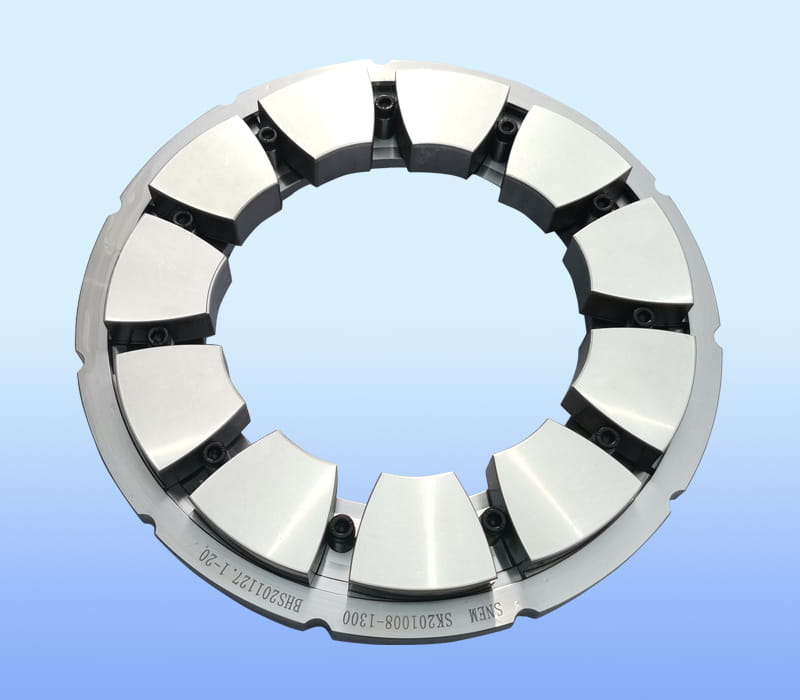
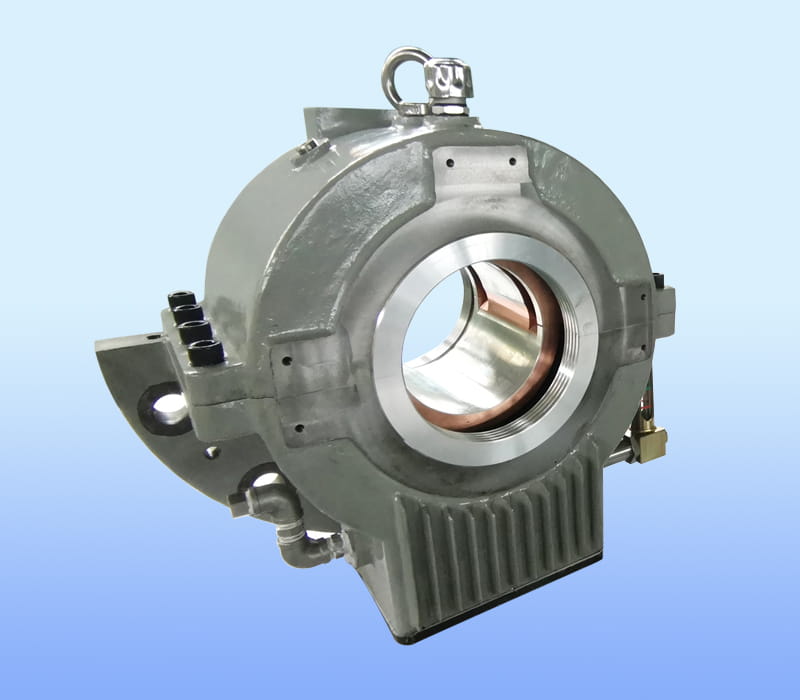
ZHEJIANG BHS JOURNAL BEARING CO.,LTD. located in FengXian District of ZheJiang, the company's brand "BHS", is a professional tilting pad thrust bearings manufacturers and Tilting pad bearings factory...

Gearbox bearings play a critical role in the overall performance and longevity of machinery in heavy-duty applications. They are essential components that support the rotating shafts and reduce friction, ensuring smooth operation. However, several factors can influence the service life of these bearings, and understanding them can help improve maintenance schedules and operational efficiency.
Gearbox bearings are designed to withstand the harsh conditions found in heavy-duty industrial machinery, including high load-bearing, constant rotation, and exposure to temperatures and contaminants. These bearings reduce friction, prevent direct contact between moving parts, and ensure smooth rotational motion. However, their service life can be compromised by various operational and environmental factors.
The service life of gearbox bearings is influenced by both operational conditions and the materials used in their design. Below are the important factors that determine how long these bearings will function reliably before requiring replacement or repair.
One of the significant factors affecting the lifespan of gearbox bearings is the load they are subjected to during operation. Bearings in heavy-duty applications often experience high radial and axial loads. The ability of the bearing to bear these loads is determined by its material strength and design. Overloading or subjecting the bearings to continuous high-pressure conditions can premature wear and failure.
In high-load applications, such as heavy machinery or automotive gear systems, bearing designers often consider load distribution, alignment, and materials to ensure load capacity and prevent excess strain on the bearings.
Proper lubrication is essential for gearbox bearing performance. Insufficient or degraded lubricant can increase friction, cause overheating, and accelerate wear. The lubrication system within a gearbox ensures that bearings operate smoothly by reducing metal-to-metal contact. The type, quality, and quantity of lubricant used can significantly impact the service life of the bearings.
Regular lubrication checks and the use of high-quality lubricants that match the operating conditions (temperature, pressure, speed) are vital for extending the bearing’s service life. In heavy-duty applications, the lubricant must be designed to handle the high loads and high temperatures commonly encountered.
Excessive heat can shorten the life of any bearing. Gearbox bearings in heavy-duty applications are often exposed to high temperatures due to friction and the energy generated during operation. Bearings with high-temperature tolerance can withstand such conditions, but prolonged exposure to heat can changes in material properties, affecting the performance of the bearings.
It is crucial to monitor the temperature of gearbox bearings and ensure that the operating temperature does not exceed the manufacturer’s recommended limits. Cooling systems, heat shields, or thermal management strategies can help mitigate the effects of high temperatures.
Vibration and shock loads are common in heavy-duty machinery, and gearbox bearings are especially susceptible to these forces. These forces can cause fatigue in the bearing material, resulting in premature failure. Vibrations generated by misalignment, uneven load distribution, or external sources can cause the rolling elements within the bearing to wear unevenly, resulting in reduced efficiency and potential breakdowns.
Preventive measures, such as proper installation, regular maintenance, and vibration analysis, can help reduce the impact of these forces and prolong the service life of gearbox bearings.
Contaminants, such as dirt, dust, moisture, and other foreign particles, can compromise the performance of gearbox bearings. These particles can enter the bearing assembly and cause abrasive wear, corrosion, or even complete failure if not effectively prevented. Contamination is a common issue in industrial settings, especially in environments with high dust or moisture levels.
Seals and protective covers can help keep contaminants out of the bearing area, and proper filtration in the lubrication system can also reduce the likelihood of contamination. Regular inspection and cleaning of the bearing area are important for identifying early signs of contamination.
Proper alignment of the gearbox bearings is crucial to ensure that they function optimally. Misalignment can cause uneven wear on the bearing surfaces, resulting in increased friction, overheating, and eventual bearing failure. It is essential to ensure that the bearings are correctly aligned during installation and regularly check alignment during maintenance.
Both radial and axial misalignment can excessive stress on the bearings, so aligning them correctly can reduce the strain on the system and extend the service life of the bearings.
The material used in the construction of gearbox bearings plays a significant role in their durability. High-quality bearing materials, such as chrome steel, ceramic, or special alloys, offer better resistance to wear, corrosion, and fatigue. The design of the bearing, including the type of rolling elements (ball, roller, needle), also affects its performance in specific applications.
In heavy-duty applications, bearings made from premium materials designed for high load-bearing capacity, temperature resistance, and corrosion protection can last longer and perform better under challenging conditions.
The speed at which a gearbox operates can impact bearing wear. High-speed operations generate more heat and increase friction, which can accelerate bearing degradation. Bearings designed for high-speed applications typically incorporate special features such as optimized internal geometry and advanced lubricants to reduce heat generation and improve performance at elevated speeds.
For applications involving fluctuating or high speeds, it is important to select bearings that can handle the dynamic conditions and ensure adequate lubrication and cooling.
Regular maintenance is essential for ensuring the longevity of gearbox bearings. Neglecting routine checks, failing to replace worn parts, or using the wrong lubricant can drastically reduce bearing life. It is recommended to perform regular inspections, check for signs of wear or damage, and replace bearings at the sign of trouble. Scheduled maintenance, including the cleaning, lubrication, and replacement of seals, can help avoid more significant damage and extend bearing life.
| Factor | Impact on Bearing Life | Mitigation Strategies |
|---|---|---|
| Load and Pressure | High loads accelerate wear and fatigue | Use bearings rated for higher load capacity |
| Lubrication | Insufficient lubrication increases friction | Regularly monitor and replace lubricants |
| Operating Temperature | Excessive heat affects material properties | Use cooling systems and monitor temperature |
| Vibration and Shock Loads | Vibration causes material fatigue | Align and balance rotating components properly |
| Contamination | Particles cause wear and corrosion | Use seals, filtration, and regular cleaning |
| Bearing Alignment | Misalignment causes uneven wear | Ensure proper alignment during installation |
| Material Quality | Low-quality materials wear faster | Choose high-quality, durable bearing materials |
| Operating Speed | High-speed operation generates heat | Use bearings designed for high-speed applications |
The service life of gearbox bearings in heavy-duty applications depends on several interconnected factors, including load, lubrication, temperature, vibration, and material quality. By understanding and addressing these factors, businesses can optimize the performance and longevity of their gearbox bearings, reducing the need for costly repairs and minimizing downtime.
1. What is the role of lubrication in extending the life of gearbox bearings?
Lubrication reduces friction and wear, preventing overheating and metal-to-metal contact. Regular lubrication checks and the use of appropriate lubricants help extend bearing life.
2. How does temperature affect gearbox bearing performance?
Excessive temperatures can cause material degradation, resulting in premature failure. It is essential to monitor operating temperatures and use cooling systems to keep bearings within the recommended limits.
3. Can vibration damage gearbox bearings?
Yes, vibrations and shock loads can fatigue in bearing materials, causing uneven wear and eventual failure. Proper alignment and installation can minimize these effects.
4. What materials are for heavy-duty gearbox bearings?
High-quality materials like chrome steel, ceramic, and special alloys are ideal for heavy-duty applications as they offer better resistance to wear, heat, and corrosion.
5. How often should I inspect gearbox bearings for wear and tear?
Regular inspections are essential to detect early signs of wear. The frequency of inspections depends on the operating conditions, but they should be conducted at least quarterly in heavy-duty applications.

ZHEJIANG BHS JOURNAL BEARING CO.,LTD. located in FengXian District of ZheJiang, the company's brand "BHS", is a professional tilting pad thrust bearings manufacturers and Tilting pad bearings factory...
Copyright © 2017 ZHEJIANG BHS JOURNAL BEARING CO.,LTD. All Right Reserved. China Tilting Pad Journal Bearings Manufacturers
