
 Tel:+86-575 -87957662
 Email:
 English
 中文简体
中文简体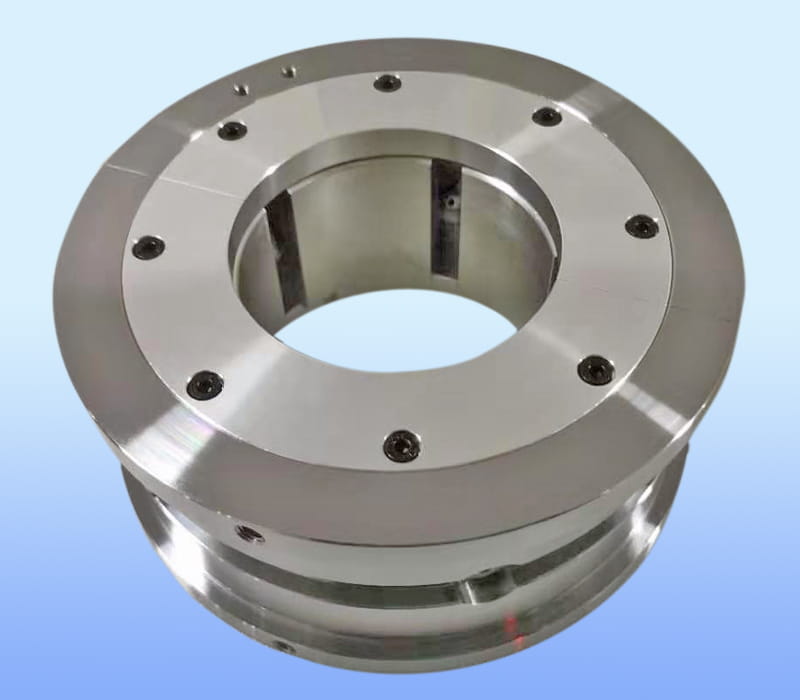
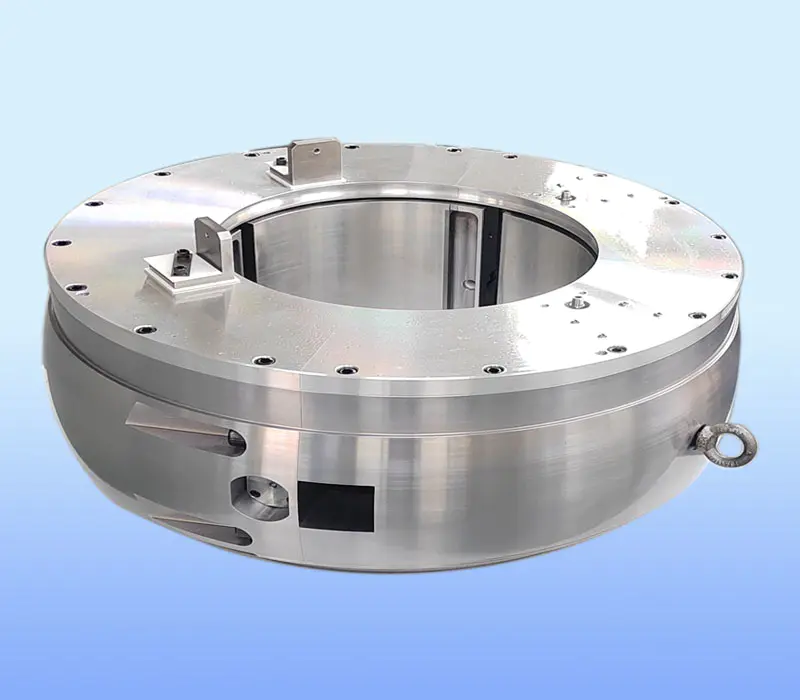
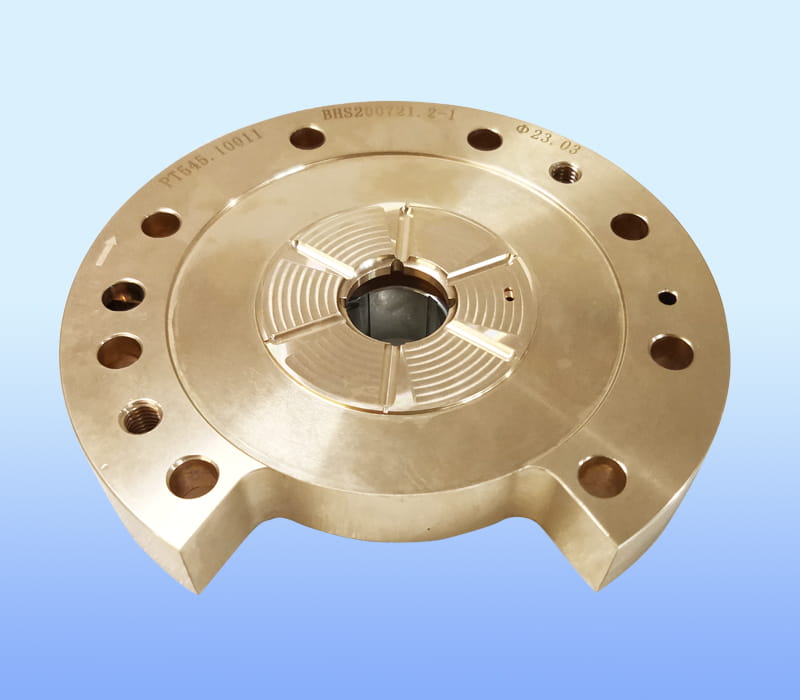
ZHEJIANG BHS JOURNAL BEARING CO.,LTD. located in FengXian District of ZheJiang, the company's brand "BHS", is a professional tilting pad thrust bearings manufacturers and Tilting pad bearings factory...

Gearboxes play a crucial role in various mechanical systems, ensuring that power is transmitted efficiently from one component to another. The performance and longevity of a gearbox are influenced by several factors, with one of the critical components being the bearings. In particular, gearbox tilting pad bearings are integral to the efficient operation of gearboxes, especially those used in high-load and high-speed applications. These bearings not only support the rotating shafts but also ensure smooth operation, reduce friction, and prolong the lifespan of the gearbox.
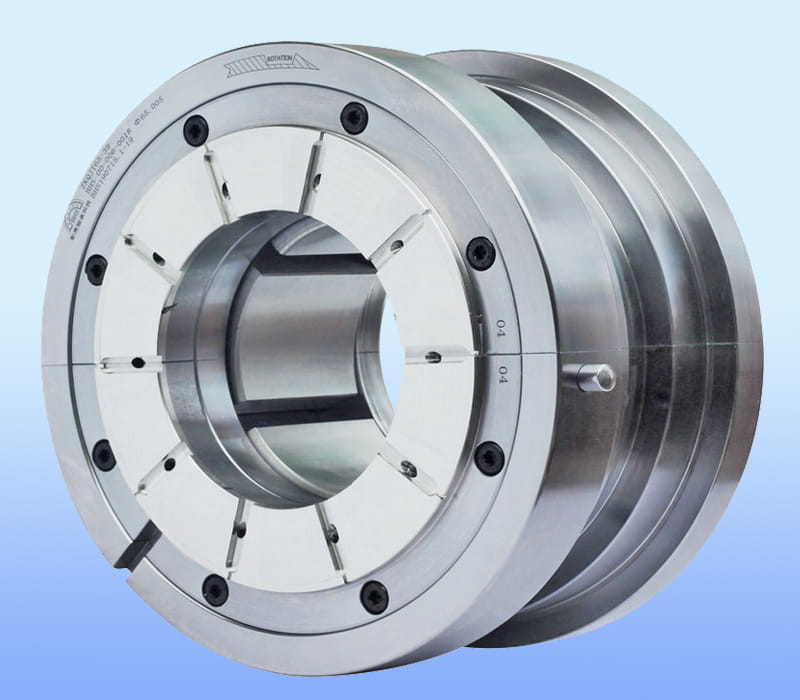
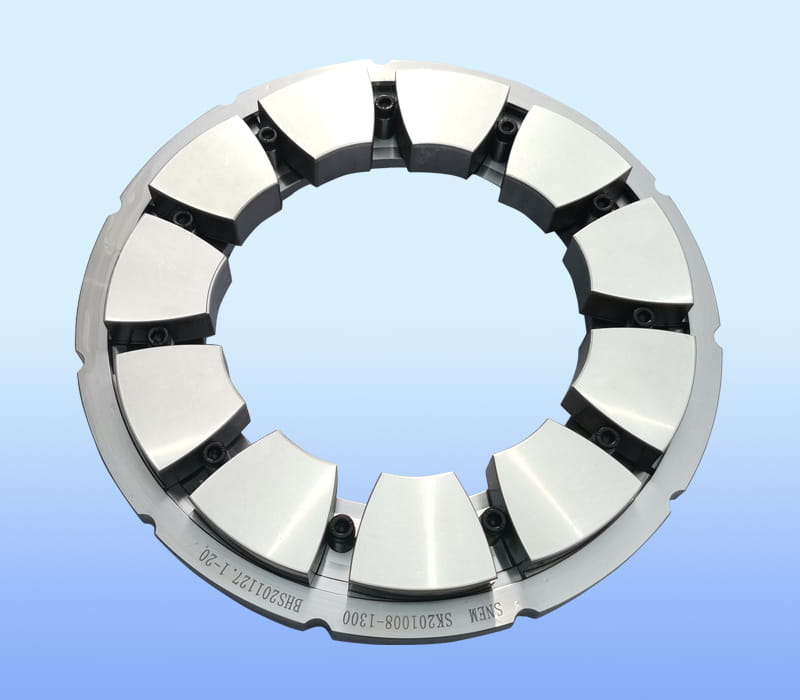
Gearbox tilting pad bearings are a type of hydrodynamic bearing designed to support the rotating shafts within gearboxes. Unlike conventional bearings, tilting pad bearings consist of multiple individual pads that are mounted on a supporting structure. These pads can tilt to adjust their orientation based on the operating conditions, such as load and speed. This unique design allows the bearing to provide load distribution, reducing the risk of friction and wear.
The tilting nature of these pads ensures that the bearing operates efficiently across a wide range of conditions, particularly in high-load and high-speed environments where traditional bearings might struggle. The ability to adjust the pad’s tilt angle helps to maintain a stable and consistent load distribution, which is essential for gearbox performance.
Enhanced Load Distribution
One of the primary benefits of gearbox tilting pad bearings is their ability to distribute loads evenly across the bearing surface. As the pads tilt, they adapt to changes in the load, ensuring that the bearing can handle varying stresses without causing excessive wear or damage to the shaft. This feature is particularly useful in gearboxes that experience fluctuating loads, as it helps maintain a consistent level of support.
Reduced Friction and Wear
The hydrodynamic nature of tilting pad bearings means that the pads are lubricated by a thin film of oil or grease, reducing direct metal-to-metal contact. This lubrication minimizes friction and wear, resulting in smoother operation and reduced heat generation. As a result, the gearbox runs more efficiently and requires less maintenance, which reduces operating costs and enhances reliability.
Improved Shaft Stability
The tilting action of the pads helps stabilize the shaft during operation. By maintaining alignment, tilting pad bearings reduce the likelihood of shaft misalignment, which can vibrations, noise, and even mechanical failure. This enhanced stability improves the overall performance of the gearbox and extends its service life.
Better Performance Under High-Load and High-Speed Conditions
Gearboxes operating under high speeds and heavy loads are particularly demanding on their bearings. Traditional bearings often struggle to maintain performance under such conditions, which results in premature failure. However, tilting pad bearings are specifically designed to handle these challenges, ensuring consistent performance and preventing failure even in the demanding environments.
Gearbox tilting pad bearings are used in a wide range of industrial applications where efficient power transmission is crucial. Some of the common applications include:
Wind Turbines: In wind turbine gearboxes, tilting pad bearings play a vital role in supporting the main shaft, ensuring smooth power transmission from the turbine blades to the generator.
Marine Engines: Marine gearbox systems use tilting pad bearings to handle the high loads and speeds associated with ship propulsion systems.
Industrial Machinery: In various heavy machinery, such as crushers and mills, tilting pad bearings provide the necessary support to handle the heavy-duty loads and speeds encountered during operation.
Electric Generators: Tilting pad bearings are used in the gearboxes of electric generators to ensure reliable and efficient power transmission from the turbine to the generator.
The design of tilting pad bearings is critical to their performance. These bearings consist of several individual pads mounted on a support structure, which allows them to tilt and adjust based on the load. The tilt angle is determined by the load and speed conditions, and the lubrication film that forms between the pads and the shaft reduces friction.
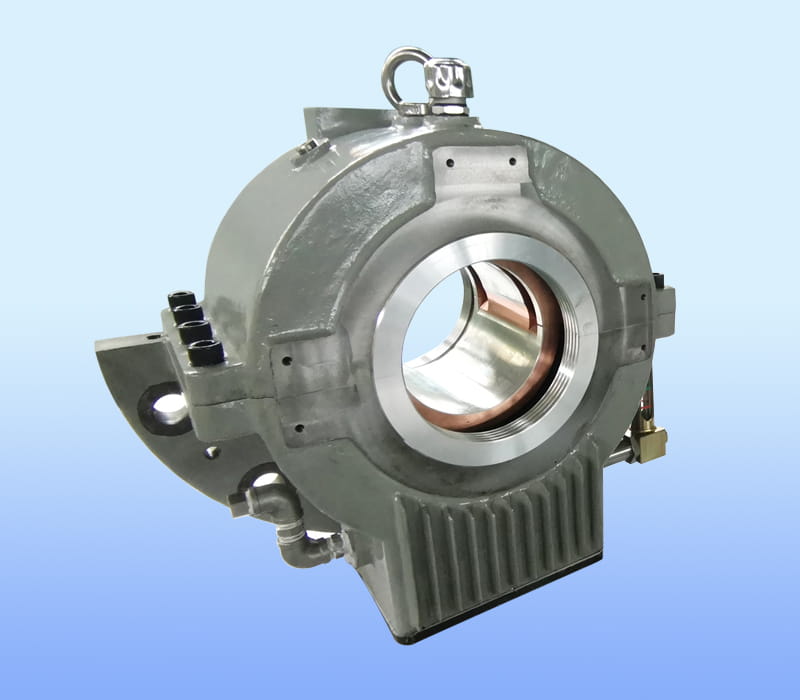
In addition to the pads, the bearing housing and support structure play an essential role in the performance of tilting pad bearings. The housing must be designed to provide adequate support while allowing for the movement of the pads. The entire system must be carefully engineered to ensure that the bearing can operate effectively under a wide range of conditions.
| Specification | Description |
|---|---|
| Number of Pads | Typically 4-7 pads depending on the gearbox design |
| Lubrication | Hydrodynamic lubrication (oil or grease) |
| Load Capacity | High load capacity, varies based on the number of pads |
| Operating Speed | Capable of withstanding high-speed operations |
| Temperature Range | Can operate in a wide temperature range |
| Tilt Angle | Adjustable tilt angle for load distribution |
| Material | Typically made from high-grade steel or bronze alloys |
When selecting gearbox tilting pad bearings, several factors must be considered to ensure performance:
Load and Speed Conditions: The expected load and speed of the gearbox are crucial in determining the appropriate bearing design. Higher loads and speeds may require more pads or specialized materials to handle the stress.
Operating Environment: The environment in which the gearbox operates, including temperature, humidity, and exposure to corrosive substances, will influence the choice of bearing material and lubrication type.
Lubrication System: The type of lubrication system used in the gearbox will impact the performance of tilting pad bearings. Proper lubrication reduces friction and wear, which improves longevity.
Material Selection: The material of the bearing pads affects their wear resistance and load capacity. Materials such as bronze, steel, and composite materials are commonly used in tilting pad bearings.
Gearbox tilting pad bearings are essential components in modern gearboxes, particularly in applications that require high load-bearing capacity, high-speed performance, and long-term reliability. Their ability to adapt to varying operating conditions, distribute loads efficiently, and reduce friction makes them a preferred choice in critical industrial machinery. By ensuring smoother operation, improved shaft stability, and reduced wear, tilting pad bearings contribute significantly to the performance and longevity of gearboxes.
1. What is the primary function of gearbox tilting pad bearings?
Gearbox tilting pad bearings primarily support the rotating shaft in a gearbox, providing load distribution and reducing friction to ensure smooth and efficient power transmission.
2. How do tilting pad bearings differ from conventional bearings?
Unlike conventional bearings, tilting pad bearings have individual pads that can tilt and adjust to changes in load and speed, offering better load distribution and reduced friction.
3. What types of industries use gearbox tilting pad bearings?
Gearbox tilting pad bearings are commonly used in industries such as wind energy, marine, industrial machinery, and electric generation, where efficient power transmission is critical.
4. Can gearbox tilting pad bearings operate in high-speed conditions?
Yes, tilting pad bearings are designed to handle high-speed operations and are ideal for applications involving heavy loads and high rotational speeds.
5. What materials are typically used in the construction of tilting pad bearings?
Tilting pad bearings are commonly made from high-grade steel, bronze alloys, and composite materials to ensure durability and resistance to wear under demanding conditions.

ZHEJIANG BHS JOURNAL BEARING CO.,LTD. located in FengXian District of ZheJiang, the company's brand "BHS", is a professional tilting pad thrust bearings manufacturers and Tilting pad bearings factory...
Copyright © 2017 ZHEJIANG BHS JOURNAL BEARING CO.,LTD. All Right Reserved. China Tilting Pad Journal Bearings Manufacturers
