
 Tel:+86-575 -87957662
 Email:
 English
 中文简体
中文简体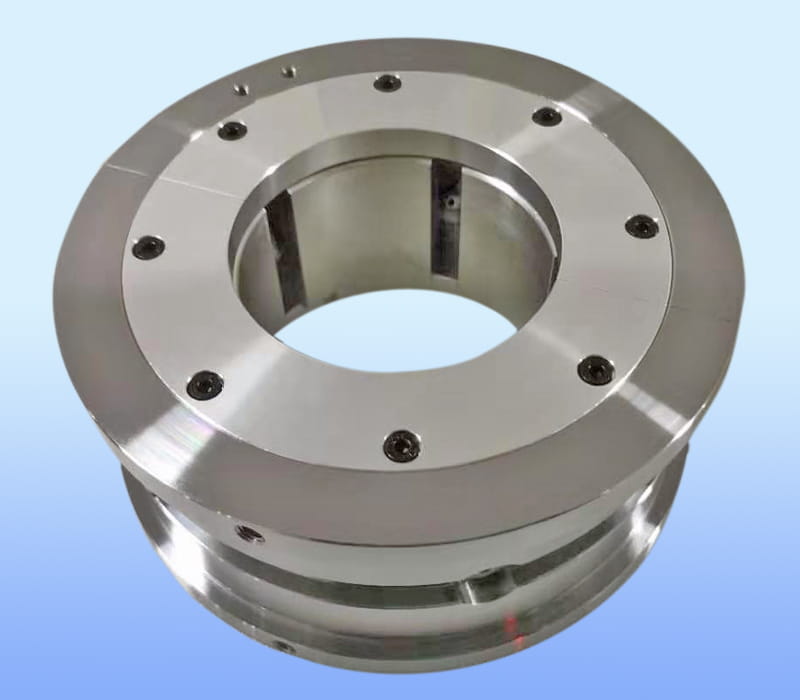
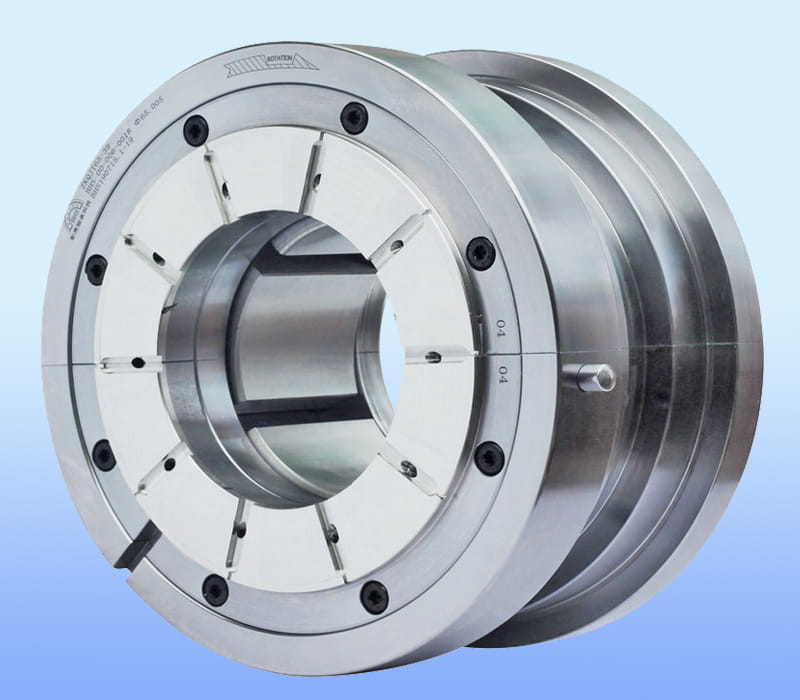
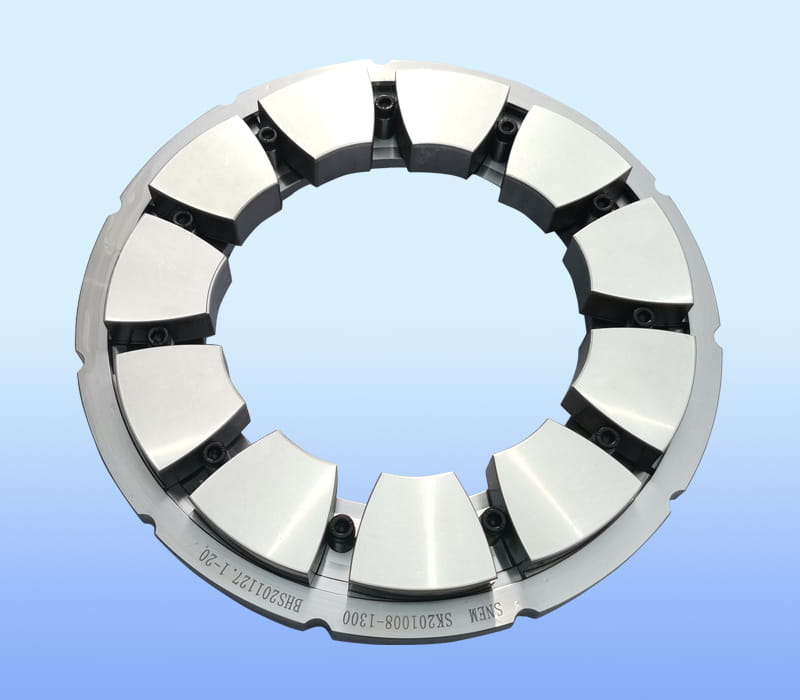
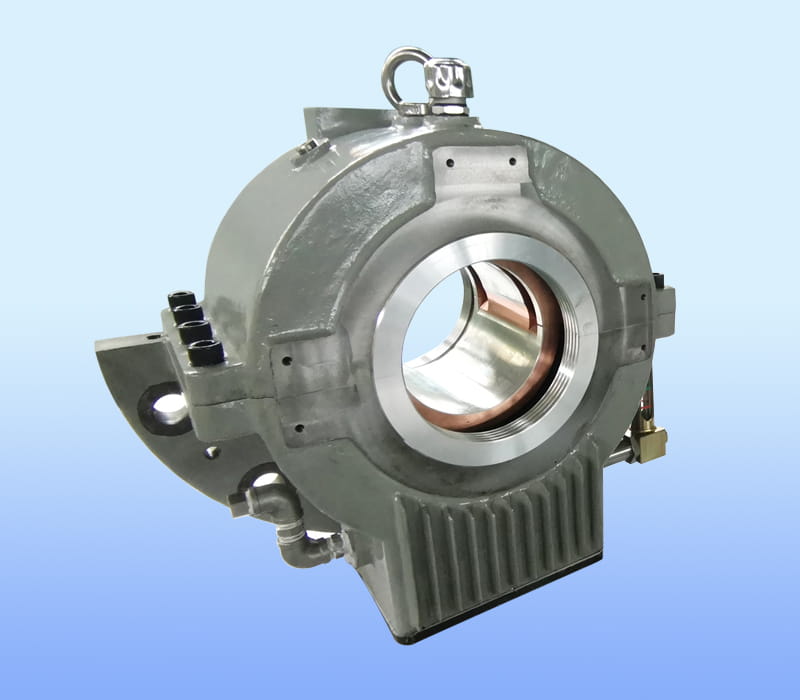
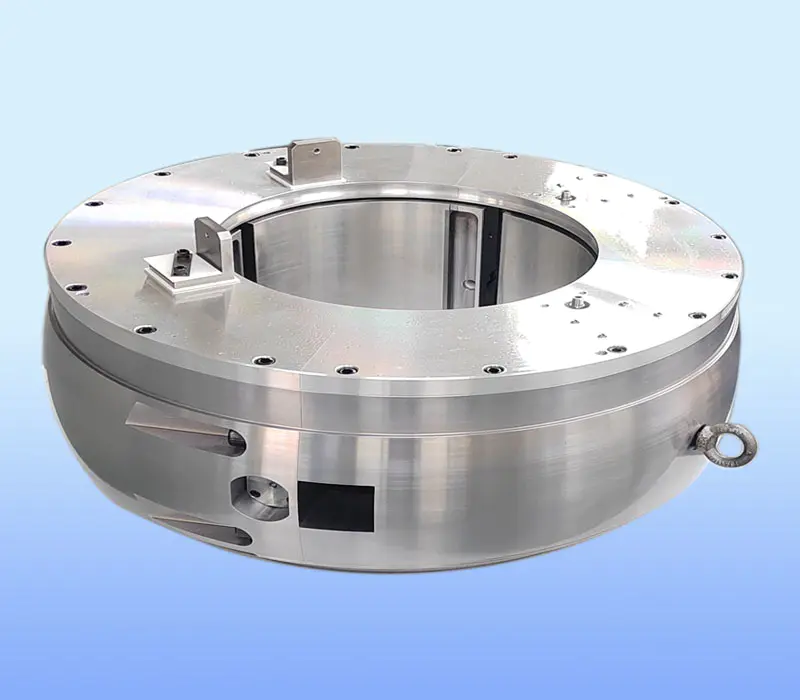
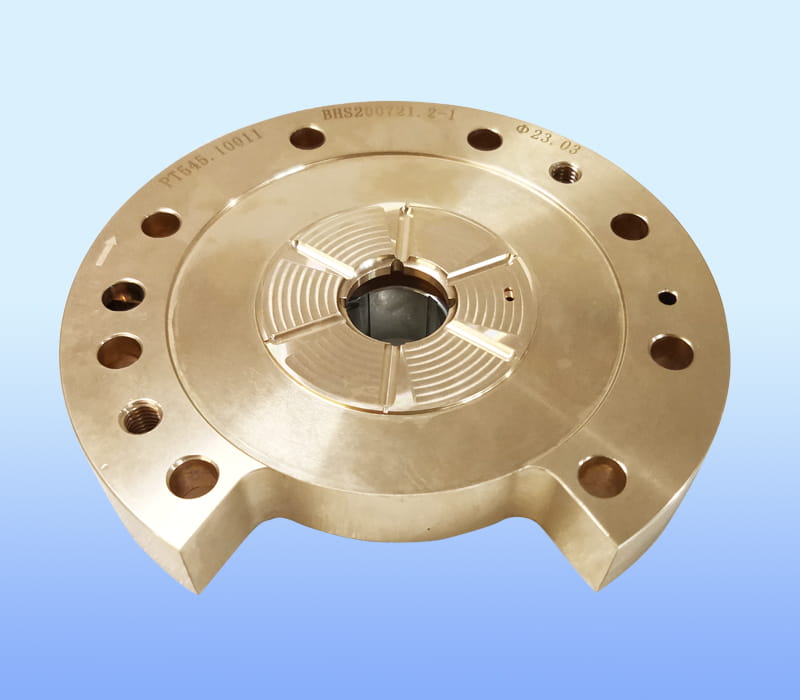
ZHEJIANG BHS JOURNAL BEARING CO.,LTD. located in FengXian District of ZheJiang, the company's brand "BHS", is a professional tilting pad thrust bearings manufacturers and Tilting pad bearings factory...

Proper alignment of compressor bearings is crucial to maintaining the efficiency and longevity of your machinery. Compressor bearings support the rotating parts of compressors, helping to reduce friction and wear. Misalignment, however, can numerous problems such as excessive wear, higher operational costs, and premature failure of critical components.
Compressor bearings are mechanical components designed to reduce friction between rotating parts and ensure smooth operation. These bearings play an essential role in compressors by supporting shafts, preventing wobbling, and allowing the rotation of components with minimal friction.
There are two primary types of compressor bearings:
Correct alignment of compressor bearings is essential for proper operation, efficiency, and durability of the compressor. When bearings are aligned correctly, they ensure that forces acting on them are evenly distributed, preventing stress on any particular area.
Misalignment can have a profound effect on the performance of a compressor. Common causes of misalignment include improper installation, wear and tear over time, and operational factors such as vibration.
Increased Wear and Tear
Misaligned bearings result in uneven load distribution, causing excessive wear on both the bearing and the shaft. Over time, this causes bearing failure and expensive repairs.
Higher Operating Temperatures
Misalignment creates additional friction, which increases the operating temperature of the compressor. Elevated temperatures can accelerate the breakdown of lubrication oils, further contributing to bearing damage.
Vibration and Noise
Misaligned bearings cause excessive vibrations, resulting in increased wear and potential breakdown of surrounding components. The rise in noise levels can also indicate improper bearing alignment.
Reduced Efficiency
Misaligned bearings cause more friction and resistance, resulting in inefficient compressor performance. This increases the energy consumption of the compressor, raising operational costs.
Premature Bearing Failure
Over time, misalignment causes uneven load distribution on the bearing, which can early failure of the bearing, resulting in expensive downtime and replacement costs.
Proper alignment of compressor bearings requires a combination of careful installation, regular maintenance, and monitoring. Here are some steps to ensure proper bearing alignment:
Accurate alignment starts with using the right tools. There are several measurement tools available to ensure that your bearings are aligned correctly:
Proper installation is key to maintaining compressor bearing alignment. During installation, ensure that the bearings are placed in their designated locations and securely fastened. Ensure that all mounting surfaces are clean and free from debris, as dirt can interfere with the smooth movement of the bearing.
Even with correct installation, regular monitoring and maintenance are essential to ensure that compressor bearings remain aligned over time. Check for signs of wear, excessive noise, or vibration. Implement routine inspections and maintenance practices to prevent alignment issues from worsening.
Ensure that the environment around the compressor is conducive to performance. Keep the compressor and surrounding area clean and free from excessive vibrations, dirt, or temperature fluctuations.
If any operational conditions are contributing to bearing misalignment, such as excessive heat or vibration, these must be addressed to prevent further damage. Consider installing vibration dampeners or cooling systems to maintain conditions for the compressor.
Here are some tools commonly used for aligning compressor bearings:
| Tool | Description |
|---|---|
| Laser Alignment Tool | Uses laser beams to detect misalignment with high precision. |
| Dial Indicator | Measures axial movement of the shaft to detect slight misalignments. |
| Plumb Line | Simple tool used for checking vertical alignment by gravity. |
| Straightedge | A ruler-like tool used for basic alignment measurements. |
| Vibration Analysis Tools | Measures vibrations and helps detect issues that may cause misalignment. |
Proper alignment of compressor bearings offers several advantages:
Compressor bearing alignment plays a pivotal role in ensuring the longevity and efficiency of your compressor. Misalignment leads to various operational issues, such as increased wear, higher temperatures, and premature failure. By employing precision measurement tools, ensuring proper installation, and conducting regular maintenance, you can minimize the risks associated with bearing misalignment and extend the life of your compressor.
1. How can I tell if my compressor bearings are misaligned?
Signs of misalignment include unusual noise, excessive vibration, and overheating of the compressor.
2. What tools should I use for aligning compressor bearings?
Laser alignment tools, dial indicators, and vibration analysis tools are some of the accurate tools for aligning compressor bearings.
3. Can compressor bearing misalignment affect efficiency?
Yes, misalignment increases friction and resistance, which results in higher energy consumption and reduced efficiency.
4. How often should I check the alignment of my compressor bearings?
It is advisable to inspect and realign the bearings regularly, especially during routine maintenance checks or after significant operational changes.
5. What is the common cause of compressor bearing misalignment?
Improper installation, wear over time, and operational factors like excessive vibration or temperature fluctuations are the common causes of misalignment.

ZHEJIANG BHS JOURNAL BEARING CO.,LTD. located in FengXian District of ZheJiang, the company's brand "BHS", is a professional tilting pad thrust bearings manufacturers and Tilting pad bearings factory...
Copyright © 2017 ZHEJIANG BHS JOURNAL BEARING CO.,LTD. All Right Reserved. China Tilting Pad Journal Bearings Manufacturers
