
 Tel:+86-575 -87957662
 Email:
 English
 中文简体
中文简体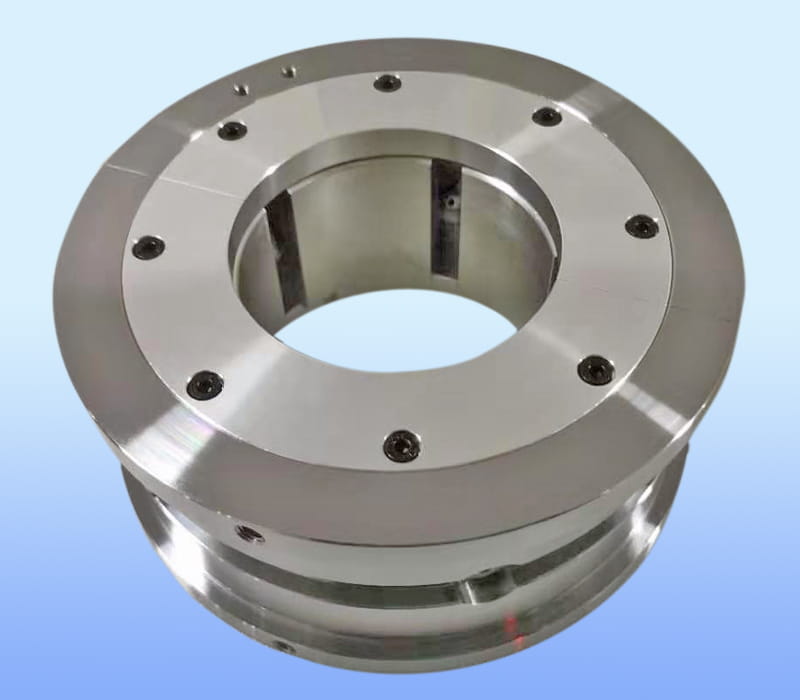
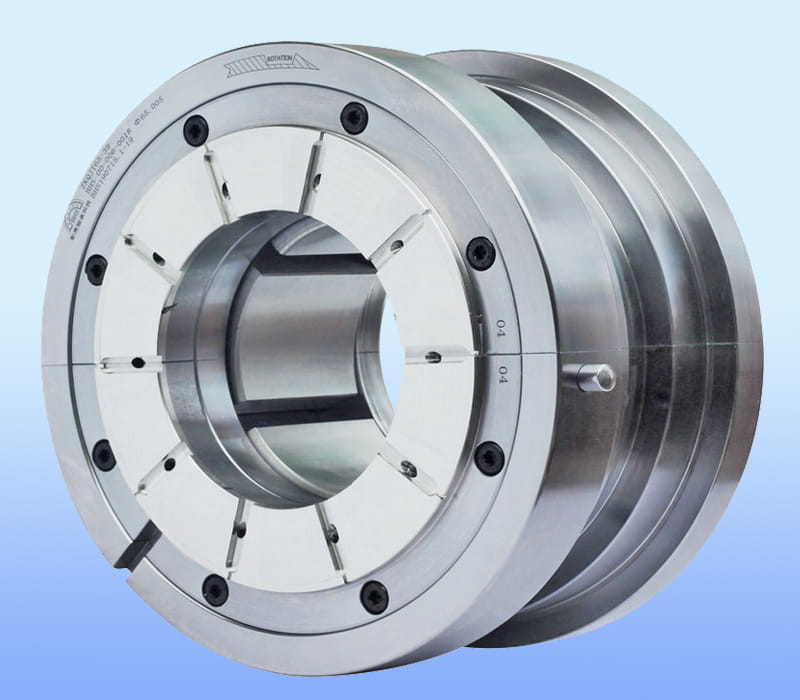
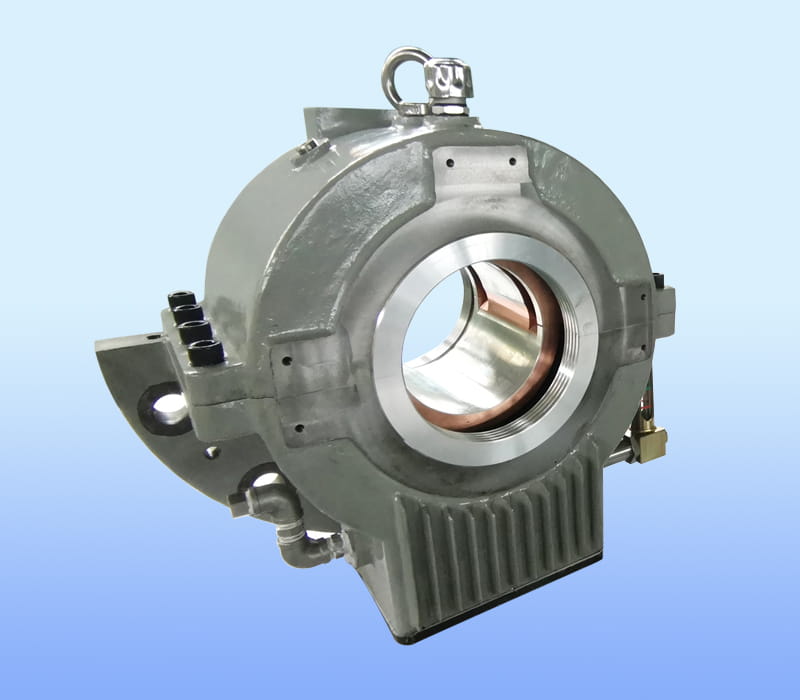
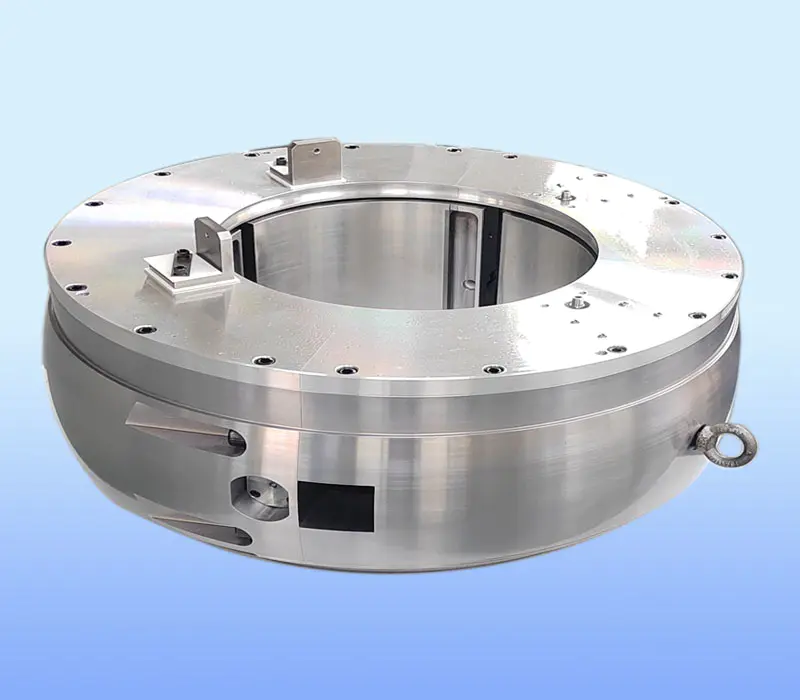
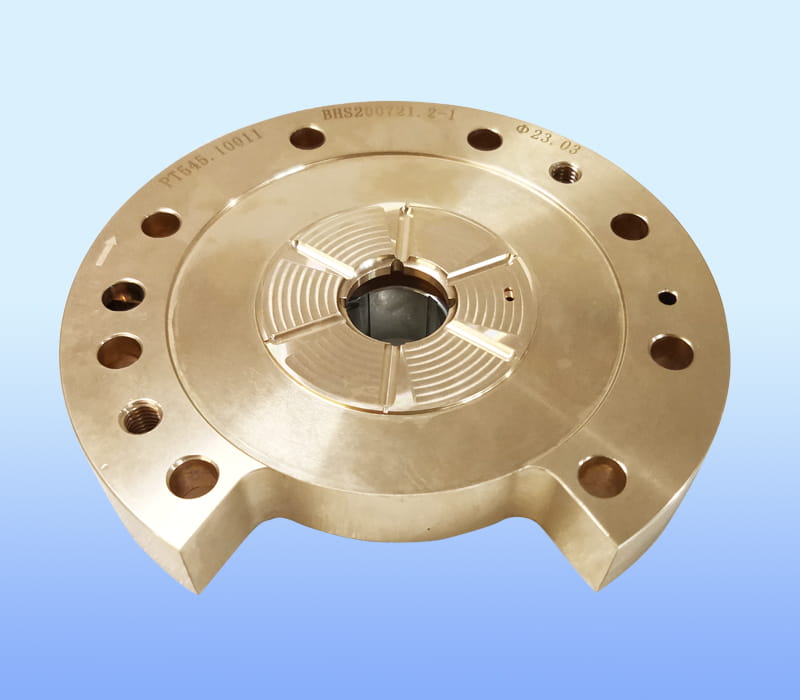
ZHEJIANG BHS JOURNAL BEARING CO.,LTD. located in FengXian District of ZheJiang, the company's brand "BHS", is a professional tilting pad thrust bearings manufacturers and Tilting pad bearings factory...

Tilting pad thrust bearings are critical components in a wide range of industrial applications, such as turbines, compressors, and large machinery. Their primary function is to support axial loads while minimizing friction, which helps enhance the performance and longevity of machinery. However, the efficiency of these bearings is highly dependent on their installation process. Improper installation can premature failure, reducing the overall reliability of the equipment.
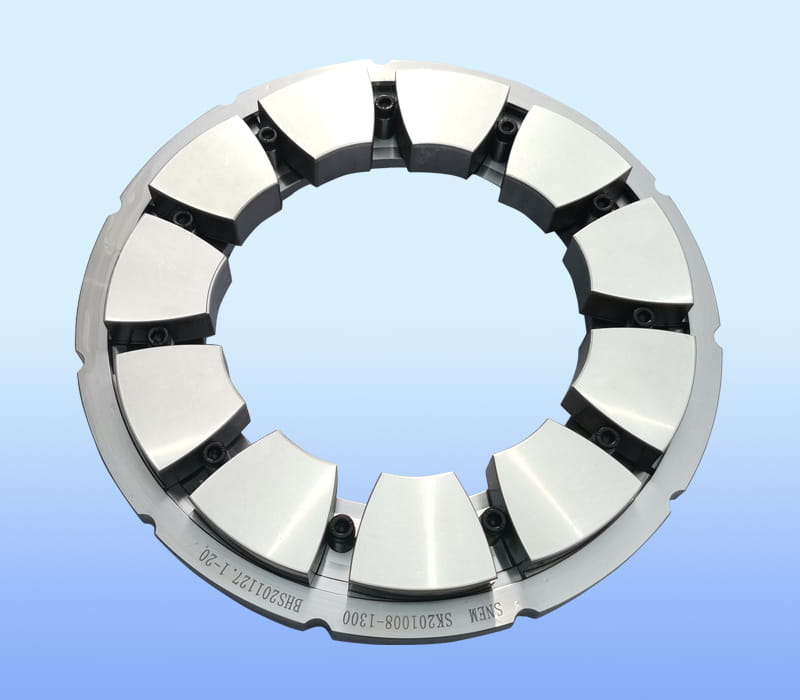
A tilting pad thrust bearing consists of several pads that are supported by a backing structure, which allows them to tilt in response to axial loads. The pads are typically made of high-strength materials such as bronze or steel and feature a precision-machined surface to ensure smooth operation. Unlike traditional thrust bearings, tilting pad bearings can distribute the load more evenly, reducing wear and tear on both the bearing and the shaft.
These bearings are commonly used in high-load, high-speed applications, where reliability and efficiency are crucial. The design of tilting pad thrust bearings helps accommodate slight misalignments, which makes them ideal for equipment that experiences fluctuating operating conditions.
Correct installation is essential to ensure that tilting pad thrust bearings perform at their level throughout their service life. Misalignment, incorrect clearance, or improper lubrication during installation can result in various problems, including:
To avoid these issues, it is crucial to follow the manufacturer’s guidelines for installation and ensure the correct procedures are used.
Preparation and Inspection:
Before installing the tilting pad thrust bearing, inspect the bearing pads and the housing for any signs of wear, damage, or contamination. Ensure that all surfaces are clean and free from debris, which can impair the bearing’s performance.
Align the Shaft and Housing:
Accurate alignment of the shaft and housing is critical. Use precision instruments, such as dial indicators, to ensure that the shaft is properly centered in the housing. Misalignment during installation can uneven load distribution and premature bearing wear.
Check Clearance and Fit:
Ensure the bearing’s clearance is within the manufacturer’s recommended specifications. Too much clearance can cause excessive movement, which increases wear, while too little clearance can cause heat buildup and reduce the bearing’s lifespan.
Lubrication:
Proper lubrication is essential for minimizing friction and heat generation. Apply the recommended type and amount of lubricant to the bearing pads and shaft. Ensure that the lubricant circulates freely to provide consistent protection throughout the bearing’s service life.
Mounting the Bearing:
Carefully mount the tilting pad thrust bearing into the housing. Use even pressure and avoid direct impact, which could cause damage. Ensure the bearing is securely fastened and aligned with the shaft.
Testing and Adjustments:
After installation, perform initial testing to verify that the bearing operates smoothly. Monitor the bearing for any signs of abnormal vibration, noise, or overheating. Make any necessary adjustments to ensure performance.
Despite careful preparation and attention to detail, challenges may arise during the installation of tilting pad thrust bearings. Some of the common issues include:
Proper installation of tilting pad thrust bearings offers several benefits that contribute to the overall reliability and performance of machinery:
| Installation Factor | Recommended Action |
|---|---|
| Shaft Alignment | Use precision alignment tools to ensure correct alignment |
| Bearing Clearance | Follow manufacturer’s specifications for clearance |
| Lubrication | Apply the correct type and amount of lubricant |
| Bearing Mounting | Use even pressure and avoid direct impacts |
| Initial Testing | Monitor for signs of vibration, noise, or overheating |
1. What happens if tilting pad thrust bearings are improperly installed?
Improper installation can misalignment, excessive wear, heat generation, and premature bearing failure.
2. How can I ensure that the bearing is properly aligned during installation?
Use precision alignment tools such as dial indicators to verify the shaft and bearing housing are properly aligned.
3. What type of lubricant should be used for tilting pad thrust bearings?
Always use the lubricant recommended by the manufacturer, ensuring proper viscosity and quantity.
4. How often should tilting pad thrust bearings be inspected?
Bearings should be inspected regularly, particularly during routine maintenance schedules, to check for signs of wear or damage.
5. Can tilting pad thrust bearings be repaired if damaged?
Depending on the extent of the damage, some bearings may be repairable, but often, replacing the bearing is the option for maintaining performance.

ZHEJIANG BHS JOURNAL BEARING CO.,LTD. located in FengXian District of ZheJiang, the company's brand "BHS", is a professional tilting pad thrust bearings manufacturers and Tilting pad bearings factory...
Copyright © 2017 ZHEJIANG BHS JOURNAL BEARING CO.,LTD. All Right Reserved. China Tilting Pad Journal Bearings Manufacturers
