
 Tel:+86-575 -87957662
 Email:
 English
 中文简体
中文简体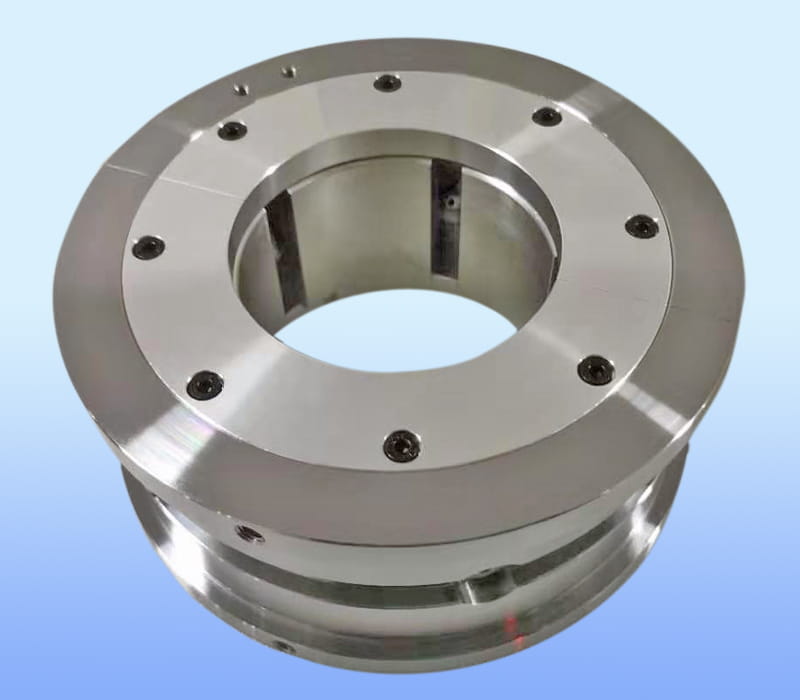
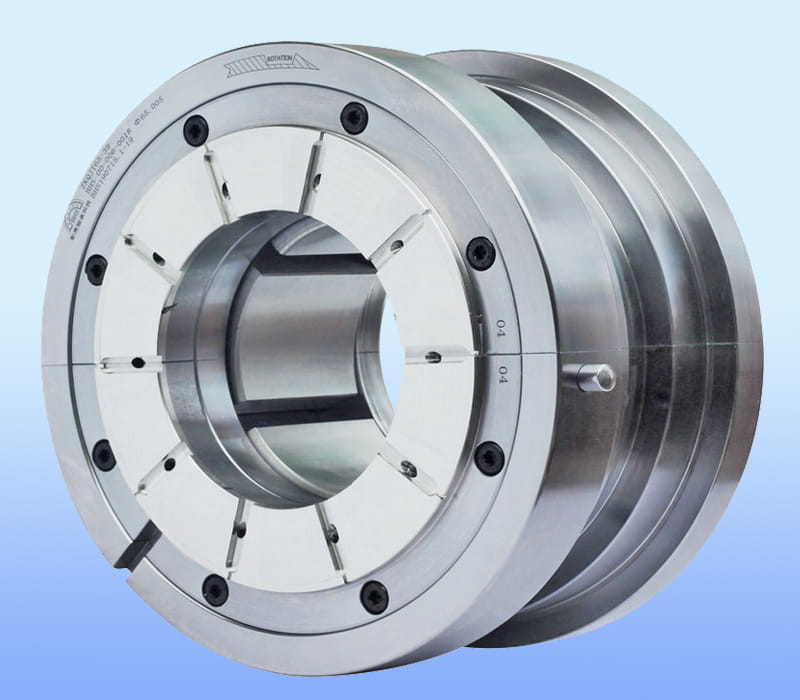
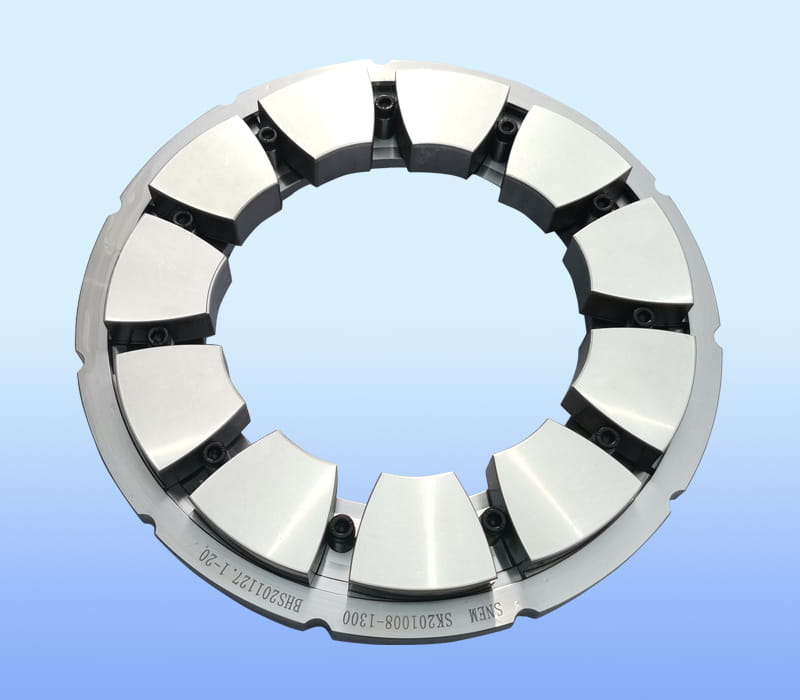
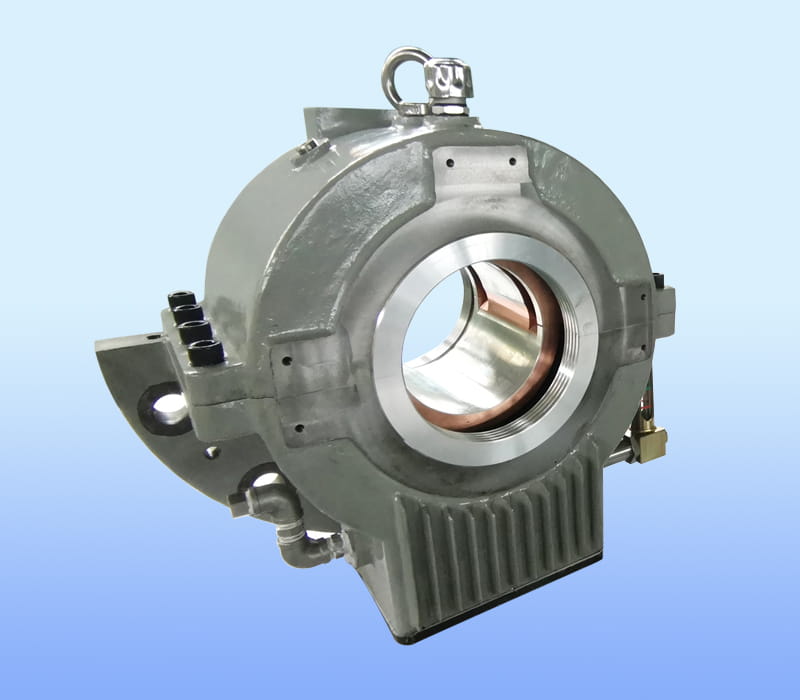
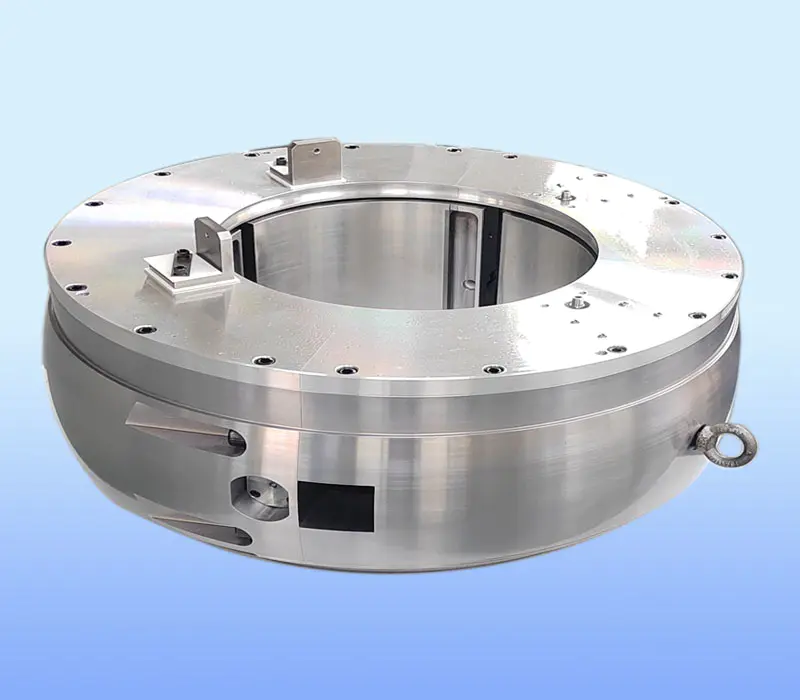
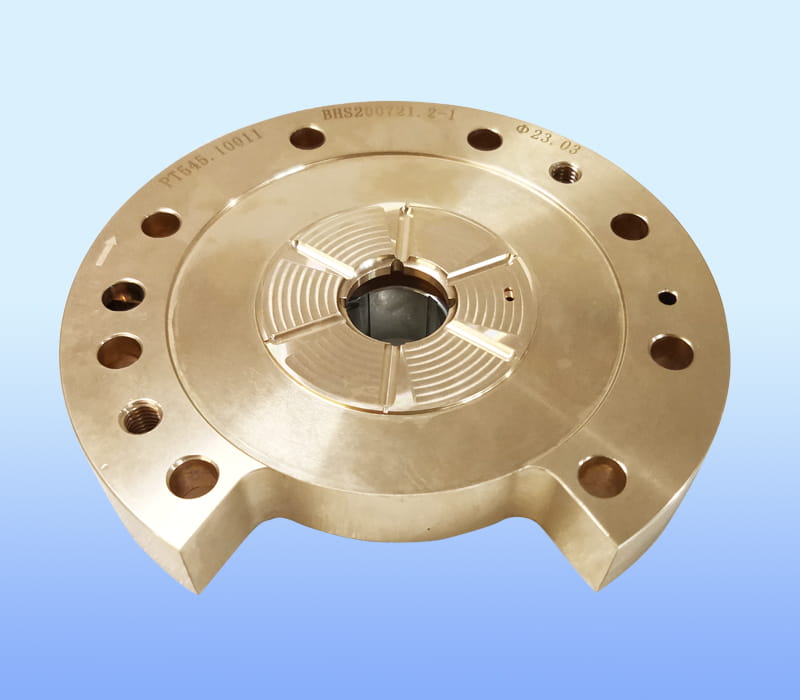
ZHEJIANG BHS JOURNAL BEARING CO.,LTD. located in FengXian District of ZheJiang, the company's brand "BHS", is a professional tilting pad thrust bearings manufacturers and Tilting pad bearings factory...

Tilting pad thrust bearings are a critical component in the operation of rotating machinery, providing vital support for high-load applications such as turbines, compressors, and other large industrial equipment. These bearings are designed to handle axial loads, allowing for smooth operation and extended equipment life.
Tilting pad thrust bearings consist of multiple pads mounted on a supporting structure, with each pad able to tilt to accommodate varying axial loads and prevent direct contact between the shaft and the bearing surface. This design allows for better load distribution, less heat generation, and enhanced performance under high-speed and high-load conditions.
These bearings are typically used in heavy-duty rotating equipment where axial loads are substantial, such as in marine propulsion systems, power plants, and large industrial machinery. Their construction enables them to absorb the substantial forces generated by rotating equipment while maintaining high efficiency and reliability.
Improved Load Distribution
The tilting design of these bearings ensures that axial loads are distributed evenly across multiple pads. This reduces the risk of localized wear and tear, extending the lifespan of both the bearing and the machinery it supports.
Reduced Friction and Heat Generation
Traditional thrust bearings can experience high friction, which causes excessive heat buildup and degrades the performance and lifespan of the bearing. Tilting pad thrust bearings, however, minimize friction by maintaining a hydrodynamic film between the shaft and the bearing surface, which reduces the chances of overheating and improves operational efficiency.
Enhanced Durability and Reliability
The self-aligning nature of tilting pad thrust bearings allows them to accommodate misalignment between the shaft and the bearing. This feature ensures that the bearings continue to operate smoothly even under changing conditions, improving the overall reliability and durability of the system.
Increased Efficiency in High-Speed Operations
Tilting pad thrust bearings are designed to operate at higher speeds than traditional thrust bearings. Their ability to maintain consistent load distribution and minimize friction makes them ideal for applications that require high-speed rotations, such as turbines in power generation and compressors in industrial processes.
Improved Heat Dissipation
The increased surface area of the individual pads allows for better heat dissipation, which helps maintain operating temperatures and prevents overheating. This is particularly beneficial in high-load applications where heat buildup can be a major concern.
Reduced Maintenance Costs
The long lifespan and improved reliability of tilting pad thrust bearings result in lower maintenance and replacement costs. Their ability to handle higher loads and speeds without experiencing significant wear or failure reduces the frequency of maintenance interventions, providing cost savings over time.
Adaptability to Various Load Conditions
Unlike fixed thrust bearings, tilting pad thrust bearings can adjust to varying load conditions. Whether the load is constant or fluctuating, the tilting action of the pads ensures that the bearing remains effective, making it suitable for applications with dynamic loading scenarios.
Tilting pad thrust bearings are used in a variety of rotating equipment across multiple industries. Some common applications include:
| Feature | Tilting Pad Thrust Bearings | Conventional Thrust Bearings |
|---|---|---|
| Load Distribution | Evenly distributed across multiple pads | Concentrated on a single pad |
| Friction | Low friction due to hydrodynamic film | Higher friction, prone to wear |
| Heat Dissipation | Better heat dissipation via multiple pads | Limited heat dissipation |
| Durability | High durability and reliability | Prone to quicker wear |
| Alignment | Self-aligning capability | Limited alignment flexibility |
| Speed Handling | Suitable for high-speed operations | Less effective at high speeds |
| Maintenance Costs | Lower maintenance and replacement costs | Higher maintenance costs |
Tilting pad thrust bearings offer numerous advantages over traditional thrust bearings, especially in high-load and high-speed rotating equipment. Their ability to distribute loads evenly, reduce friction, dissipate heat, and handle misalignment makes them a preferred choice for critical industrial applications. Whether in turbines, compressors, or marine propulsion systems, tilting pad thrust bearings play a pivotal role in improving efficiency, reliability, and the lifespan of rotating machinery.
Q1: What makes tilting pad thrust bearings different from traditional thrust bearings?
A1: Unlike traditional thrust bearings, tilting pad thrust bearings feature multiple pads that can tilt to accommodate varying load conditions. This design ensures better load distribution, reduced friction, and improved heat dissipation.
Q2: Can tilting pad thrust bearings handle high-speed rotations?
A2: Yes, tilting pad thrust bearings are designed to operate effectively at high speeds, making them ideal for applications such as turbines and compressors where high rotational speeds are required.
Q3: What are the maintenance requirements for tilting pad thrust bearings?
A3: Tilting pad thrust bearings require minimal maintenance due to their durable design and ability to self-align. Regular inspections are recommended to ensure performance, but they generally have a longer lifespan compared to traditional thrust bearings.
Q4: Are tilting pad thrust bearings suitable for all types of rotating machinery?
A4: While tilting pad thrust bearings are highly versatile and used in many applications, they are especially beneficial for heavy-duty, high-load, and high-speed rotating equipment, such as turbines, compressors, and marine propulsion systems.
Q5: How do tilting pad thrust bearings reduce friction in rotating machinery?
A5: Tilting pad thrust bearings maintain a hydrodynamic film between the pads and the rotating shaft, reducing direct contact and lowering friction. This minimizes wear and heat buildup, improving overall efficiency.

ZHEJIANG BHS JOURNAL BEARING CO.,LTD. located in FengXian District of ZheJiang, the company's brand "BHS", is a professional tilting pad thrust bearings manufacturers and Tilting pad bearings factory...
Copyright © 2017 ZHEJIANG BHS JOURNAL BEARING CO.,LTD. All Right Reserved. China Tilting Pad Journal Bearings Manufacturers
