
 Tel:+86-575 -87957662
 Email:
 English
 中文简体
中文简体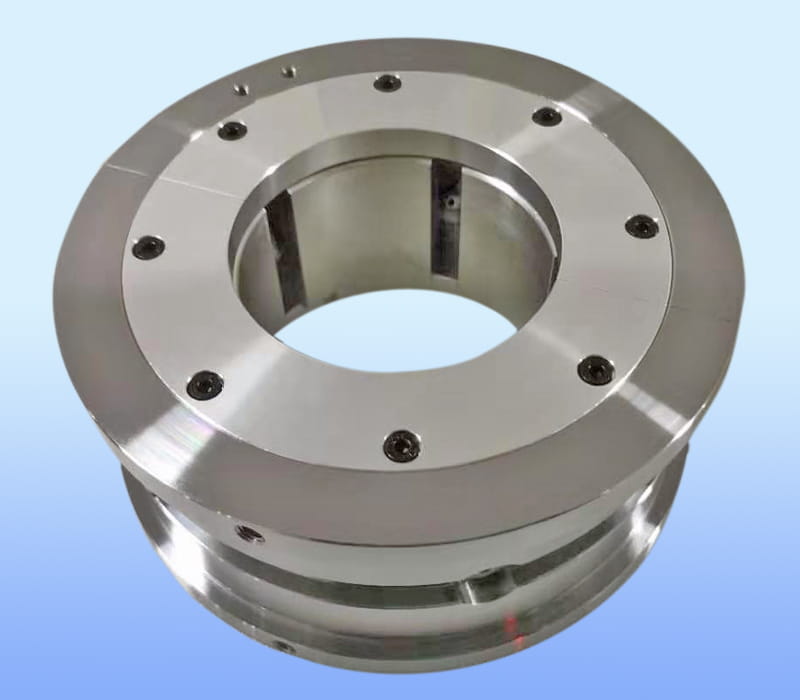
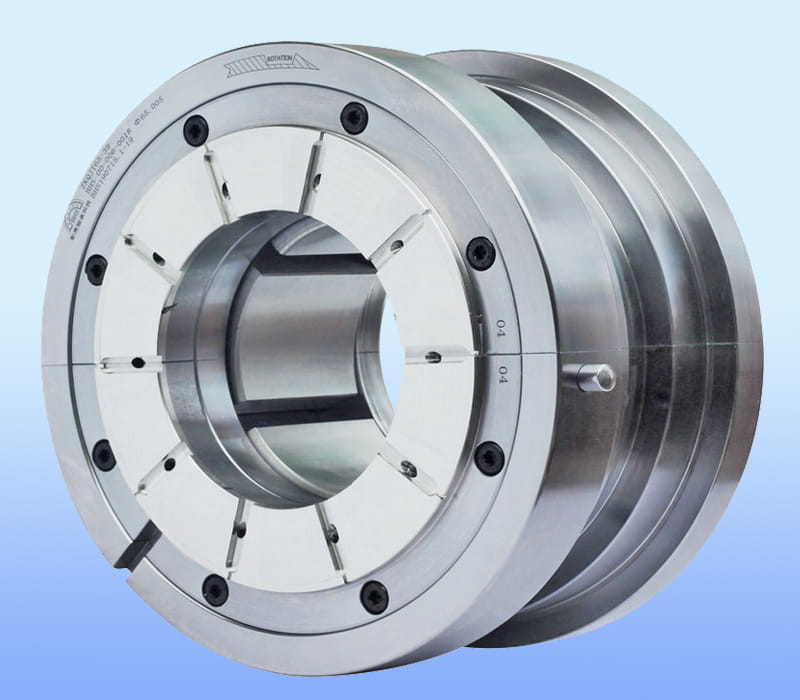
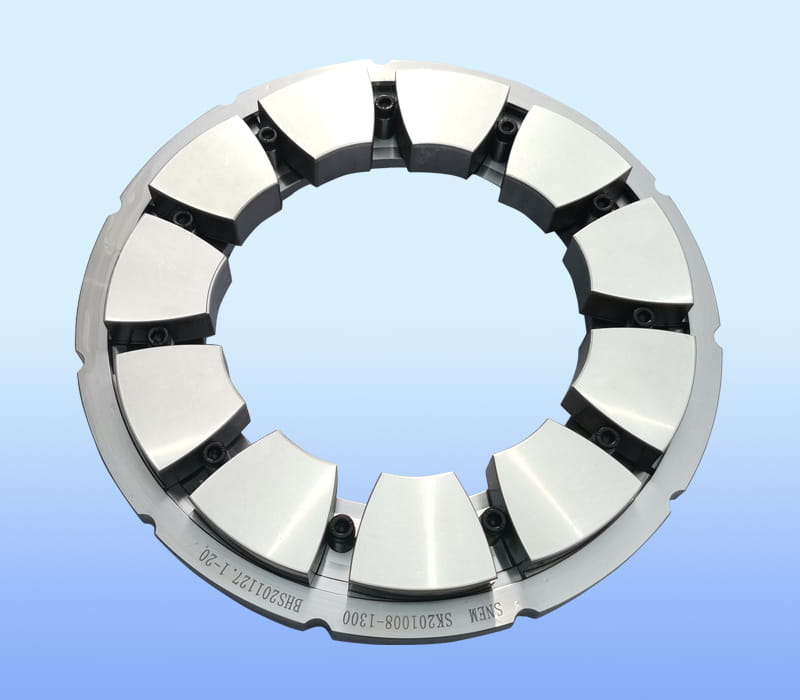
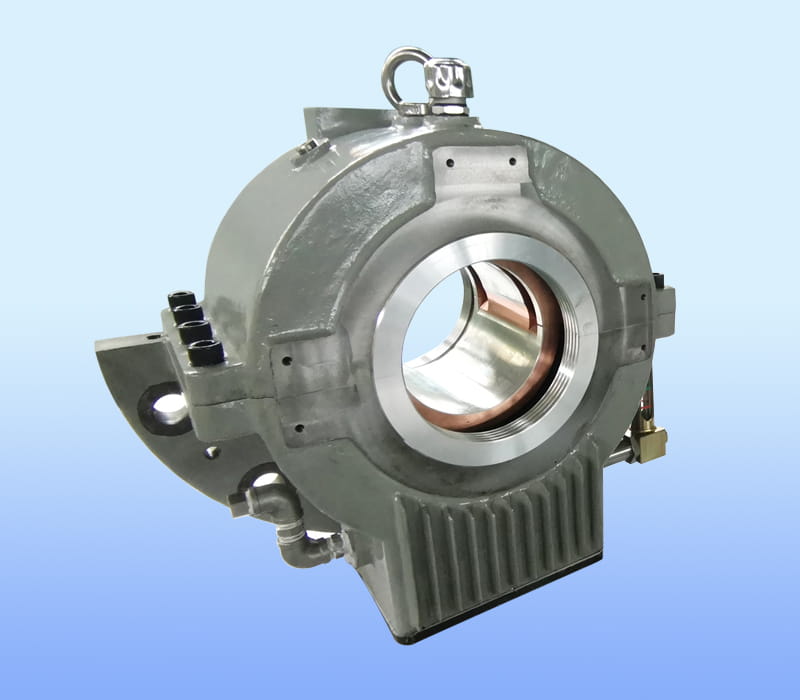
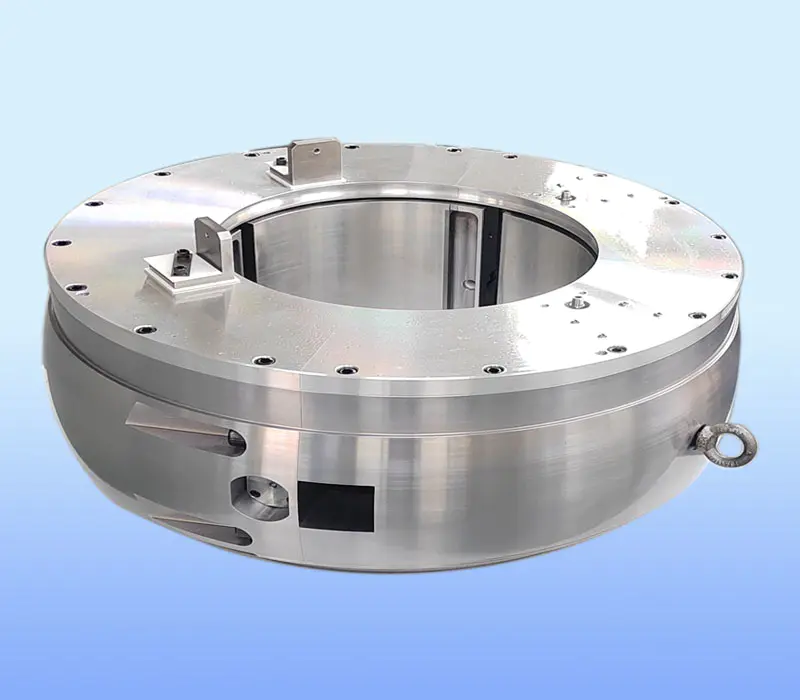
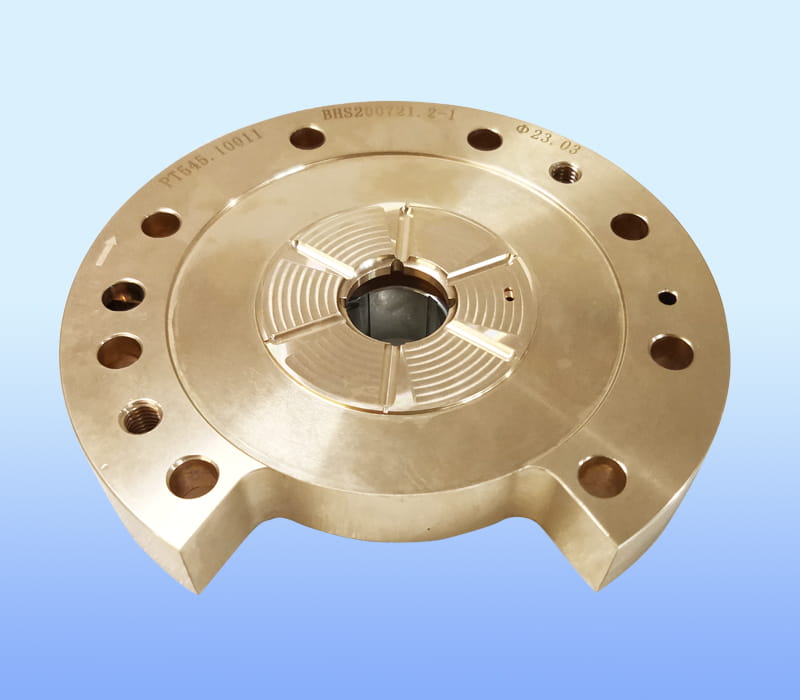
ZHEJIANG BHS JOURNAL BEARING CO.,LTD. located in FengXian District of ZheJiang, the company's brand "BHS", is a professional tilting pad thrust bearings manufacturers and Tilting pad bearings factory...

In high-speed transmission units, reducing noise and vibrations is critical for enhancing both the performance and longevity of mechanical systems. Gearbox bearings, integral components in these systems, significantly contribute to noise reduction.
High-speed transmissions, commonly used in industries like automotive, aerospace, and manufacturing, often operate under conditions. With such high operational speeds, vibrations and friction inevitably result in noise, which not only reduces the comfort and usability of machinery but also accelerates wear and tear. Noise can also serve as an indicator of mechanical problems, making it a critical aspect of maintenance.
Gearbox bearings help mitigate these issues by providing smoother operation, absorbing vibrations, and reducing the friction between moving parts. Understanding their role requires knowledge of how noise is generated in a transmission system and how these bearings address it.
Gearbox bearings play a pivotal role in noise reduction through the following mechanisms:
Minimizing Friction: By supporting gears and shafts, gearbox bearings reduce the contact friction between moving parts, which is a major source of noise. The lower the friction, the quieter the system operates.
Vibration Damping: High-speed operations tend to generate vibrations, which can amplify noise. Bearings, particularly those with specialized materials like ceramic or high-performance steel, absorb these vibrations, preventing them from propagating through the transmission system.
Improving Load Distribution: Gearbox bearings also help evenly distribute the load across the gear system, which prevents localized stresses and reduces the noise generated by uneven surfaces or deformations.
Enhanced Lubrication: Proper lubrication within the bearings minimizes friction and wear, further reducing noise. Gearbox bearings with lubrication systems allow the transmission to operate more smoothly, thus cutting down on operational noise.
Different types of gearbox bearings offer varied advantages in noise reduction. Here are the common types:
Ball Bearings: Ball bearings are widely used in high-speed applications due to their low rolling resistance. They are designed to support radial loads and are effective in minimizing noise in high-speed transmission systems.
Roller Bearings: For heavier load-bearing applications, roller bearings are often chosen. They help maintain operational stability and noise control by evenly distributing the load.
Tapered Bearings: Used in applications where both radial and axial loads are present, tapered bearings help reduce noise by offering high load-carrying capacities and smooth operation under variable conditions.
Magnetic Bearings: In high-end systems, magnetic bearings are increasingly being used to eliminate direct contact between moving parts. These bearings virtually eliminate friction, resulting in a dramatic reduction in noise.
Each type of bearing comes with distinct advantages, and the selection of a bearing type is closely tied to the specific noise reduction needs of the transmission system.
Gearbox bearings manufacturers have made considerable advancements in the design and materials used to create quieter bearings. Some of these advancements include:
Advanced Materials: Bearings made from advanced ceramics, high-grade steels, and composite materials offer lower friction, better resistance to wear, and better vibration dampening properties, all of which contribute to quieter operation.
Precision Engineering: Increased precision in manufacturing bearings allows for better alignment and smoother operation, resulting in lower noise levels.
Sealed and Shielded Bearings: Sealed bearings, which are designed to keep lubricant in and contaminants out, have become a popular choice for reducing noise. These bearings maintain their performance over extended periods, even in harsh conditions.
Reducing noise is not only about improving comfort and performance but also about extending the life of the transmission system. By reducing friction and vibrations, gearbox bearings play a critical role in preventing premature wear and tear, contributing to the overall durability and longevity of high-speed transmission units.
To ensure that gearbox bearings meet noise reduction standards, manufacturers conduct rigorous noise testing. These tests simulate real-world operating conditions to determine the bearings’ effectiveness in reducing noise. The results are then compared against industry standards to ensure that the bearings perform optimally.
| Bearing Type | Noise Reduction Efficiency | Load Capacity | Best Application |
|---|---|---|---|
| Ball Bearings | High | Medium | High-speed, low-load applications |
| Roller Bearings | Moderate | High | Heavy-load applications |
| Tapered Bearings | Moderate to High | Very High | Combined radial and axial load systems |
| Magnetic Bearings | Very High | Ultra-High | Specialized, high-end systems |
Gearbox bearings play a vital role in minimizing noise and improving the operational efficiency of high-speed transmission units. Through advances in material science and engineering precision, manufacturers have been able to design bearings that significantly reduce friction, vibration, and noise.
1. What are the key factors that affect noise levels in high-speed transmission systems?
The key factors include friction, vibration, and the quality of lubrication in the gearbox system.
2. Which types of bearings are effective at reducing noise in gearbox applications?
Ball bearings, roller bearings, and magnetic bearings are particularly effective in reducing noise in high-speed transmission systems.
3. How do advanced materials improve the noise-reducing capabilities of gearbox bearings?
Advanced materials, such as ceramics and high-grade steel, reduce friction, absorb vibrations, and enhance the durability of bearings, which results in quieter operation.
4. Can gearbox bearings extend the lifespan of high-speed transmission units?
Yes, by reducing friction and vibrations, gearbox bearings help prevent premature wear and tear, thereby increasing the lifespan of transmission units.
5. What testing methods are used to measure the noise-reducing performance of gearbox bearings?
Rigorous noise testing under simulated operating conditions is used to measure the effectiveness of gearbox bearings in reducing noise, compared against industry standards.
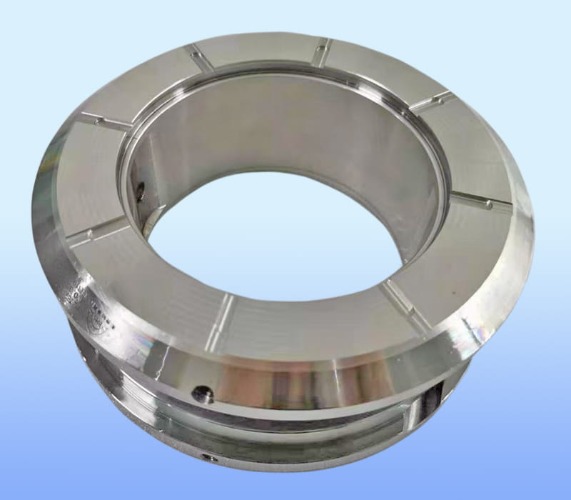

ZHEJIANG BHS JOURNAL BEARING CO.,LTD. located in FengXian District of ZheJiang, the company's brand "BHS", is a professional tilting pad thrust bearings manufacturers and Tilting pad bearings factory...
Copyright © 2017 ZHEJIANG BHS JOURNAL BEARING CO.,LTD. All Right Reserved. China Tilting Pad Journal Bearings Manufacturers
