
 Tel:+86-575 -87957662
 Email:
 English
 中文简体
中文简体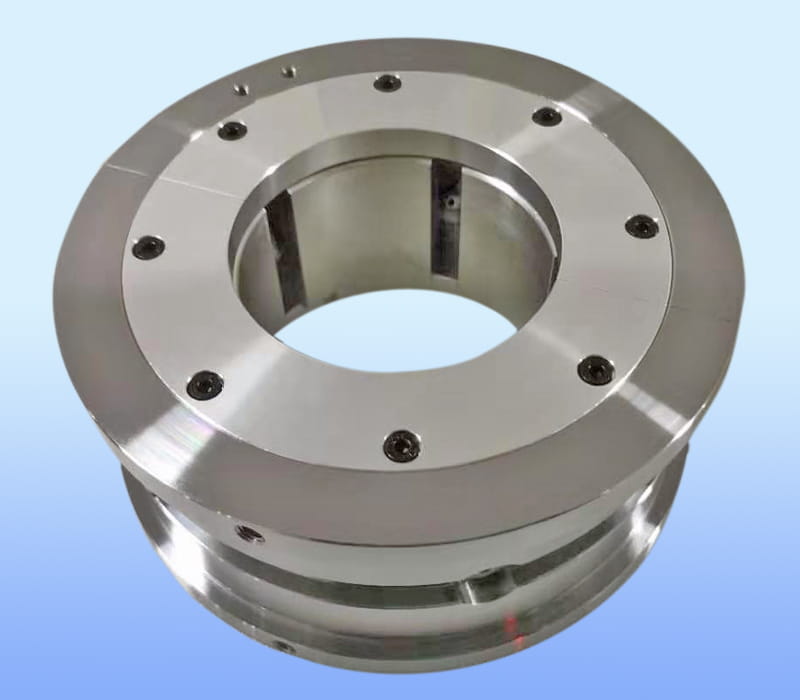
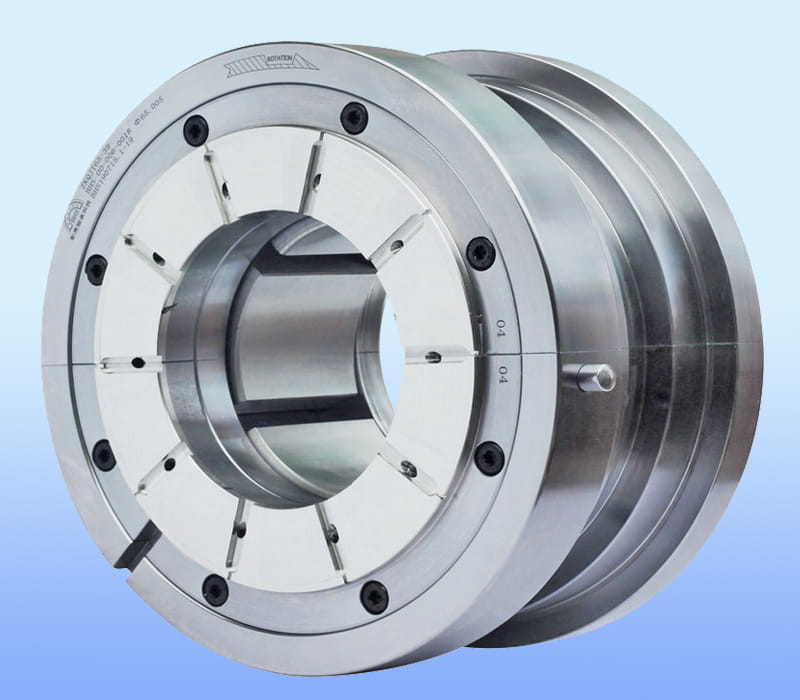
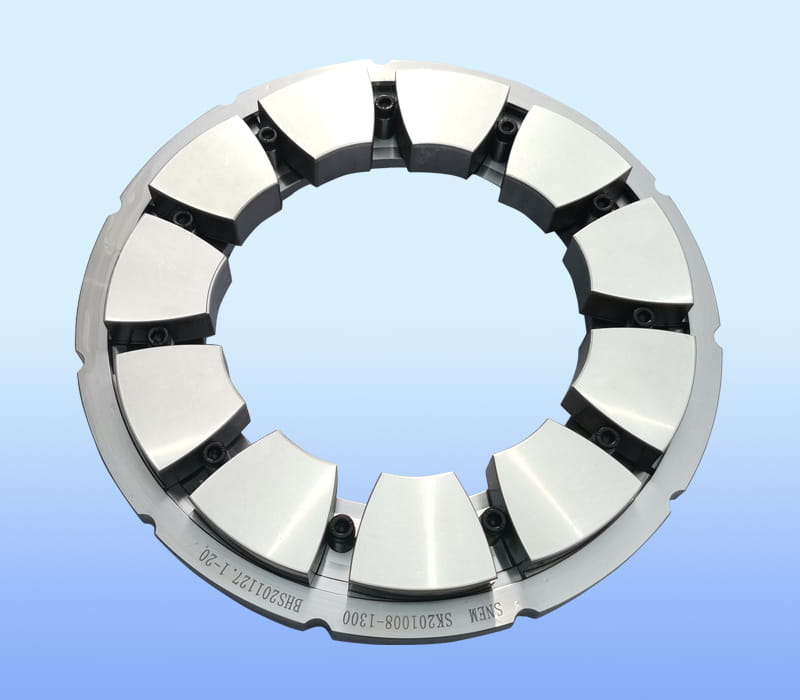
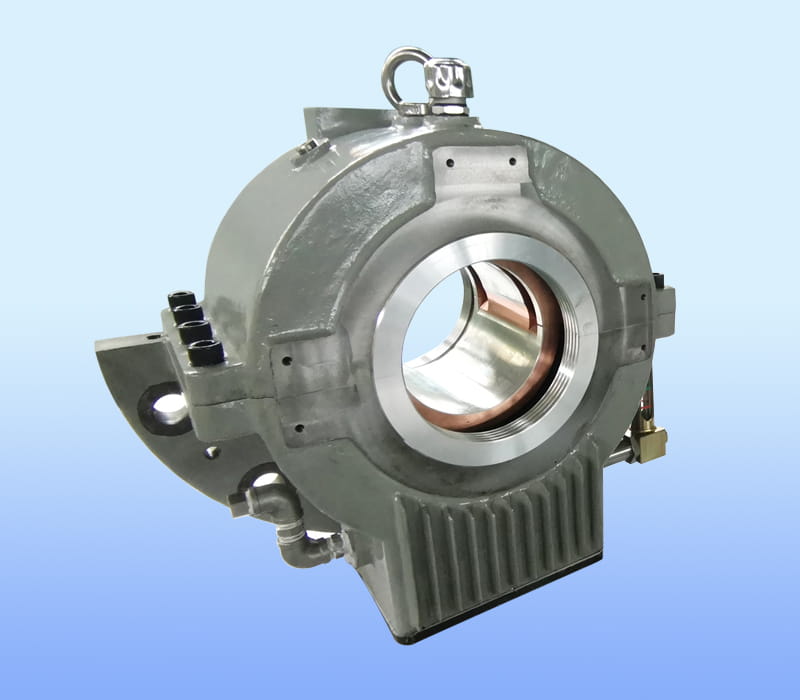
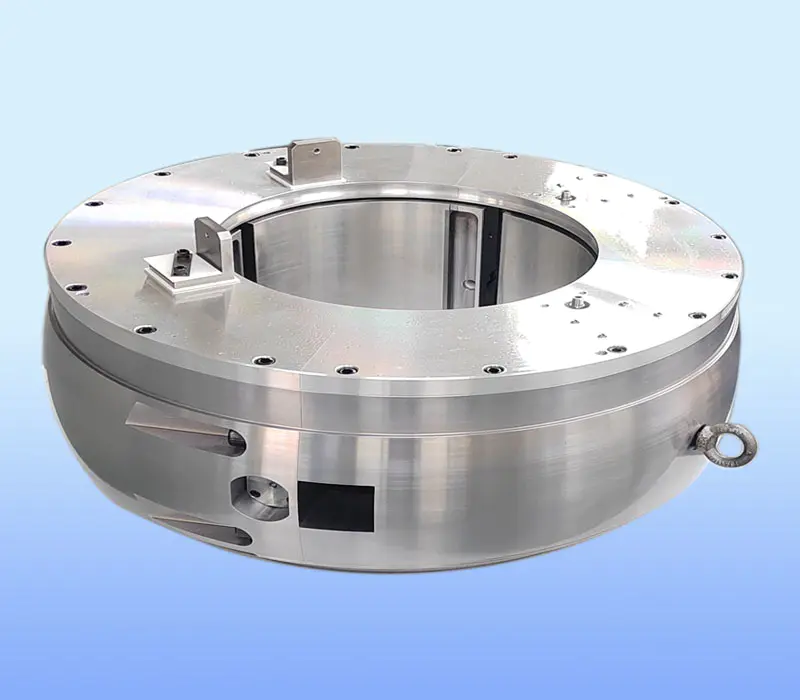
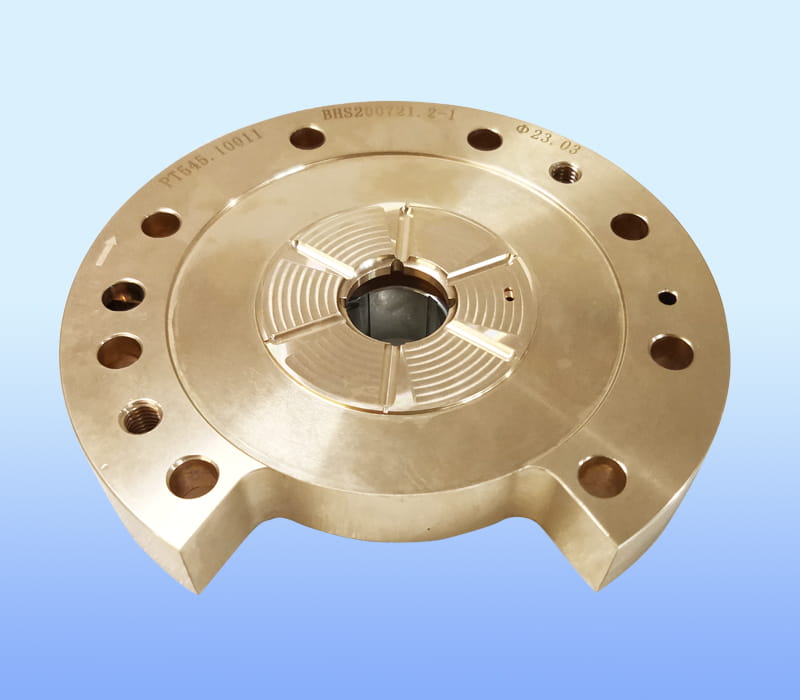
ZHEJIANG BHS JOURNAL BEARING CO.,LTD. located in FengXian District of ZheJiang, the company's brand "BHS", is a professional tilting pad thrust bearings manufacturers and Tilting pad bearings factory...

Compressor bearings play a pivotal role in the efficient functioning of compressors across various industries. Their reliability directly impacts the operational lifespan and performance of the machinery. Given their importance, understanding and following proper maintenance protocols is crucial for avoiding costly downtime and enhancing operational efficiency.
Compressor bearings are mechanical components that support the rotating parts of a compressor, allowing them to function smoothly while minimizing wear and tear. They come in various types, including rolling element bearings, plain bearings, and magnetic bearings, each with distinct characteristics tailored to specific compressor designs.
| Type of Bearing | Description | Common Use |
|---|---|---|
| Rolling Element | Uses balls or rollers to reduce friction. | Common in high-speed compressors. |
| Plain Bearing | Uses a simple surface to support rotating parts. | Typically used in low-speed compressors. |
| Magnetic Bearing | Uses magnetic fields to support the rotor, reducing friction. | Advanced technology, used in high-end systems. |
Proper lubrication is critical for reducing friction between the bearing and rotating parts. Compressor bearings typically require a consistent supply of high-quality lubricant to prevent excessive wear and overheating. Regular checks of lubricant levels and timely replacement of lubricants help ensure performance.
Vibration analysis is an effective method for detecting early signs of wear in compressor bearings. High vibration levels may indicate misalignment, imbalance, or damaged bearings. Installing vibration monitoring equipment can help in real-time diagnostics, enabling timely maintenance.
Misalignment is a major cause of premature bearing failure. Ensuring that compressor components, including the motor and rotor, are properly aligned can significantly extend the life of the bearings.
Routine visual inspections help identify physical damage, such as corrosion, cracks, or signs of overheating. This should be done regularly, especially during planned shutdowns.
Thermal imaging can detect temperature imbalances in compressor bearings, which may indicate underlying issues such as lubrication failure or excessive friction. This non-invasive method allows for efficient monitoring during operation.
Over time, bearings will naturally wear out due to the stresses of continuous operation. It’s important to follow the manufacturer’s recommended service intervals and replace bearings before they fail to avoid more significant system damage.
Implementing practices for regular maintenance can significantly improve the reliability of compressor bearings.
Operators should be trained to identify early signs of bearing wear and understand the importance of adhering to maintenance schedules. Regular training ensures that staff members are aware of the practices for compressor bearing care.
Predictive maintenance uses sensors and diagnostic tools to predict when bearings will need maintenance, based on operational data. By utilizing this strategy, you can replace parts before failure occurs.
| Tool | Functionality | Benefits |
|---|---|---|
| Vibration Sensors | Monitors vibrations and predicts wear. | Detects problems early. |
| Thermal Cameras | Scans for temperature imbalances in bearings. | Detects lubrication issues. |
| Oil Condition Sensors | Monitors oil viscosity and contamination. | Ensures proper lubrication. |
Compressor bearing manufacturers are vital partners in ensuring the longevity and performance of your compressors. Choosing a reputable manufacturer is essential for obtaining high-quality bearings that meet your specific operational requirements.
Compressor bearings are essential components in ensuring the smooth operation of compressors, and regular maintenance is critical to their performance. By adhering to proper maintenance protocols such as lubrication, vibration monitoring, alignment, and periodic inspections, you can significantly extend the lifespan of compressor bearings. Additionally, investing in high-quality products from trusted compressor bearing manufacturers is essential for achieving reliability.
1. How often should compressor bearings be inspected?
Compressor bearings should be inspected regularly, typically during scheduled maintenance or shutdowns. Visual inspections can be done monthly, while more detailed checks (vibration and thermal) should occur quarterly.
2. What type of lubricant is for compressor bearings?
The lubricant depends on the manufacturer’s recommendations. Typically, high-quality synthetic lubricants designed for the specific compressor type are recommended for performance.
3. Can vibration sensors help prevent compressor bearing failure?
Yes, vibration sensors are crucial for early detection of bearing issues. Monitoring vibrations can help identify misalignments or damaged bearings, allowing for proactive maintenance before failure occurs.
4. Why is alignment important for compressor bearing maintenance?
Proper alignment ensures that compressor components are working together without unnecessary stress on the bearings. Misalignment can cause uneven wear, which results in premature bearing failure.
5. What are the signs that compressor bearings need replacement?
Signs include excessive vibration, abnormal noise, overheating, and physical wear such as cracks or discoloration. Bearings should be replaced if these signs occur or as per the recommended service intervals from the manufacturer.

ZHEJIANG BHS JOURNAL BEARING CO.,LTD. located in FengXian District of ZheJiang, the company's brand "BHS", is a professional tilting pad thrust bearings manufacturers and Tilting pad bearings factory...
Copyright © 2017 ZHEJIANG BHS JOURNAL BEARING CO.,LTD. All Right Reserved. China Tilting Pad Journal Bearings Manufacturers
