
 Tel:+86-575 -87957662
 Email:
 English
 中文简体
中文简体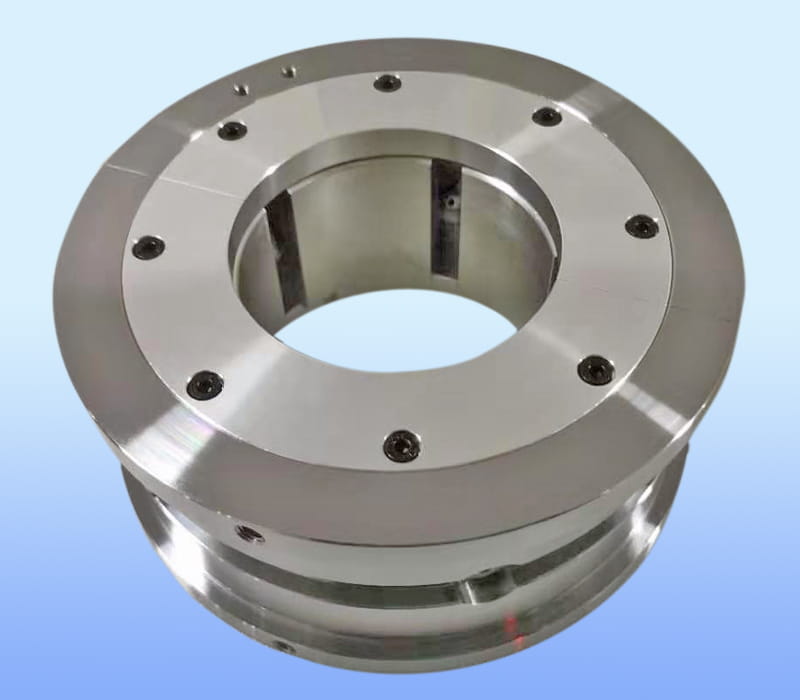
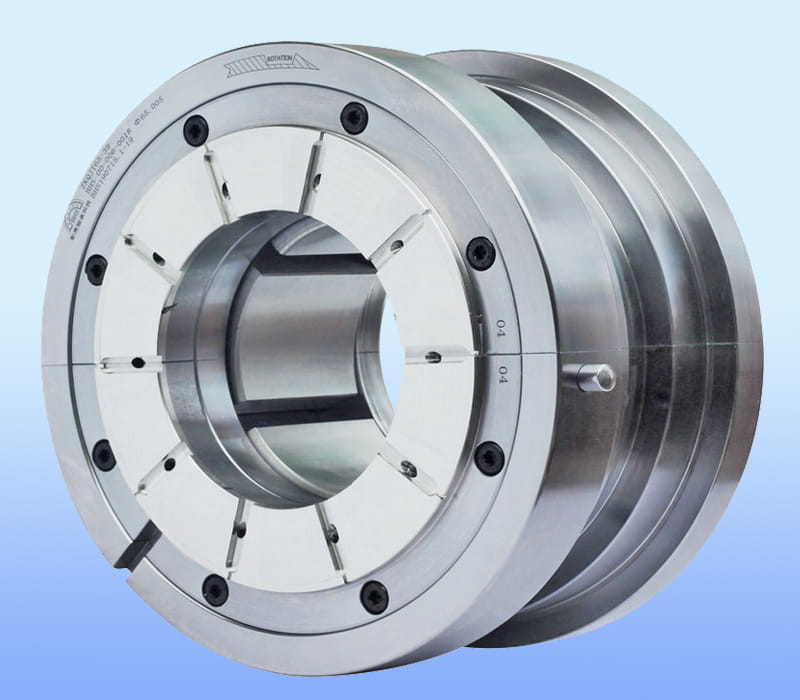
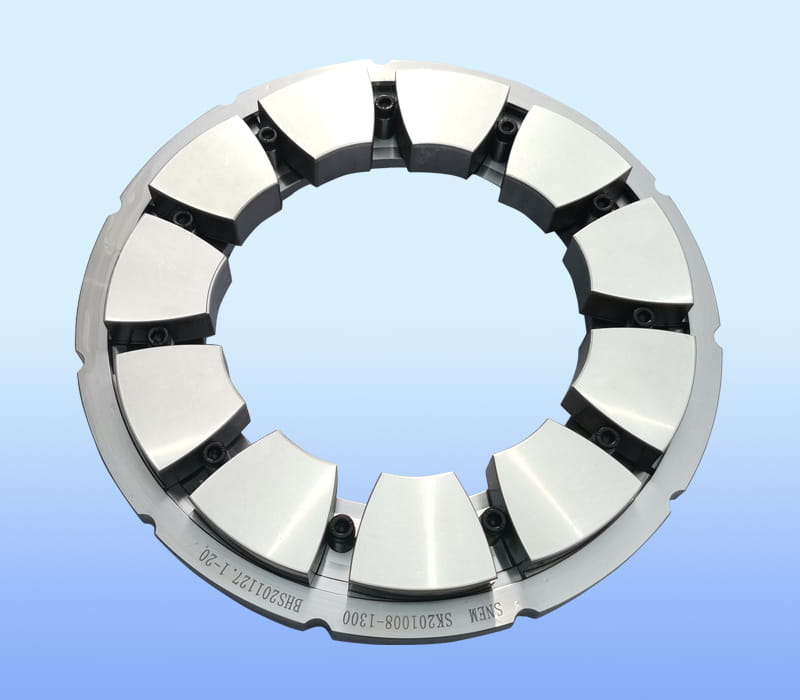
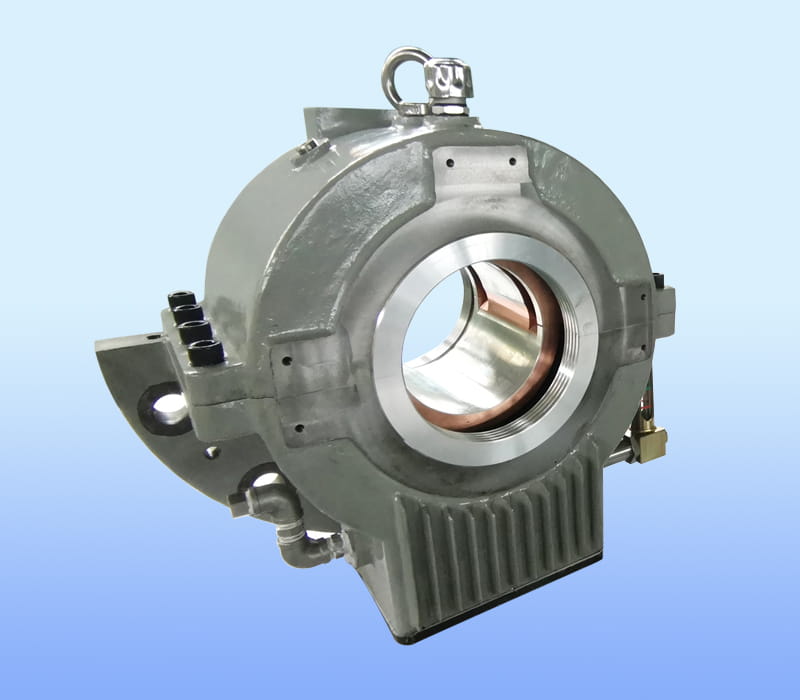
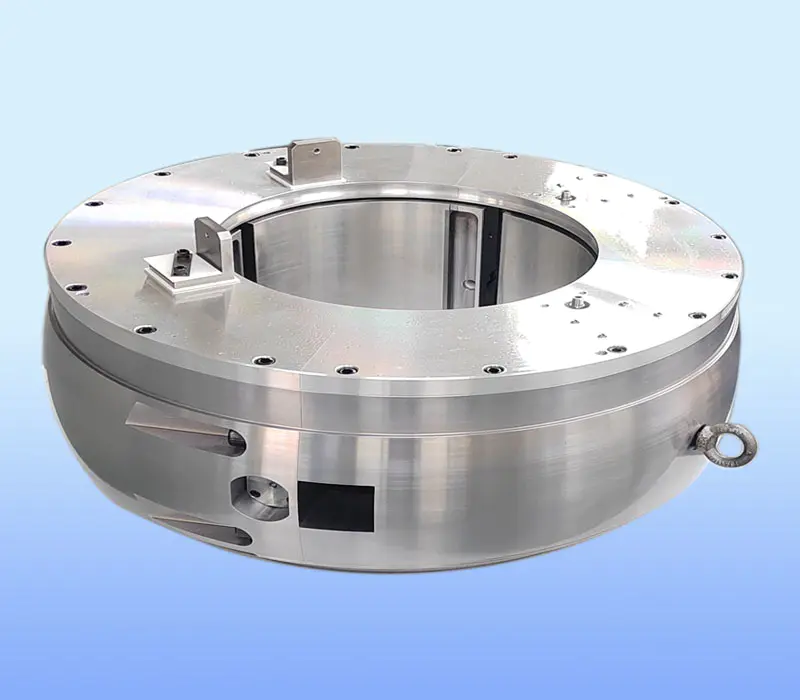
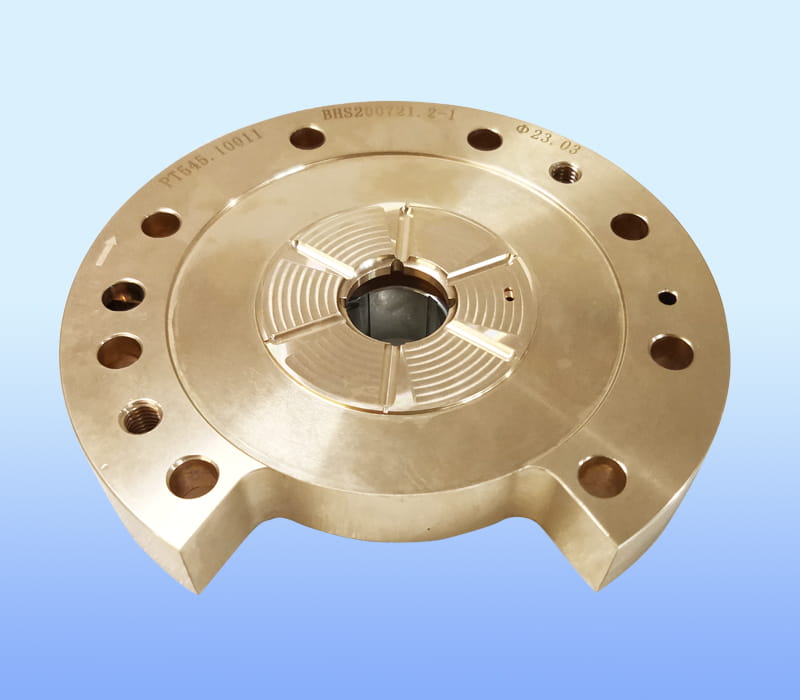
ZHEJIANG BHS JOURNAL BEARING CO.,LTD. located in FengXian District of ZheJiang, the company's brand "BHS", is a professional tilting pad thrust bearings manufacturers and Tilting pad bearings factory...

Integrating high-performance gearbox bearings can reduce friction torque by up to 35%, cutting total gearbox power losses by 12–18% and lowering steady-state operating temperatures by 5–12°C. For a typical industrial gearbox operating continuously at 1,500 rpm, this translates into an immediate reduction in energy consumption of approximately 8–10 kWh per day—a figure that compounds significantly over a five-year service cycle, delivering both operational cost savings and measurable carbon footprint reductions. These outcomes are not theoretical; they are achieved through deliberate bearing design choices, optimized material selection, and precise manufacturing tolerances that directly address the primary sources of frictional energy loss within the drive train.
For plant engineers and equipment manufacturers, bearing-related efficiency gains represent one of the most accessible and cost-effective levers for improving overall drive system performance. Unlike major drivetrain redesigns, upgrading to energy-optimized bearings offers a direct retrofit solution with immediate payback, making it a strategic priority for any industrial operation focused on sustainable productivity.
To improve efficiency, it is essential to understand the physical sources of bearing energy loss. In any rolling or sliding bearing system, energy dissipation occurs through three interconnected mechanisms:
Temperature acts as a loss multiplier. An increase in operating temperature from 70°C to 100°C can elevate lubricant viscosity reduction, thinning the oil film and increasing direct metal-to-metal contact, which in turn raises friction by 15–20%. This thermal-feedback loop makes efficient bearing design critical not only for immediate energy savings but also for maintaining long-term thermal stability within the gearbox housing.
Modern energy-efficient rolling bearings utilize logarithmic raceway profiles and optimized roller crowning to distribute load uniformly across the contact surface, reducing peak stress and minimizing micro-slip. Combined with high-precision surface finishes (Ra ≤ 0.04 μm), these geometries lower the coefficient of friction by 0.001–0.002 points, which translates directly into a 25–35% reduction in frictional torque compared to conventional ISO-standard bearings operating under identical load conditions.
In gearboxes where power density is paramount—such as heavy-duty conveyors or wind turbine drivetrains—sliding bearings offer a distinct efficiency advantage. By utilizing a pressurized oil wedge that separates the shaft from the bearing surface, hydrodynamic bearings eliminate rolling resistance entirely, reducing overall gearbox power losses by 20–28% relative to rolling element solutions in the same envelope. This efficiency gain also enables more compact gearbox staging and reduced housing dimensions, yielding secondary weight and material savings.
Hybrid bearings—combining steel rings with silicon nitride (Si₃N₄) rolling elements—capitalize on the ceramic's low density (40% lighter than steel) and exceptional surface hardness. Friction reductions of 60–80% are achievable in high-speed applications, while the ceramic's lower thermal expansion coefficient maintains stable internal clearances over a broader temperature range, preventing preload-induced efficiency losses as the gearbox warms up during operation.
The table below consolidates real-world performance data from standardized gearbox efficiency tests, demonstrating the measurable impact of each bearing technology on drive system energy consumption:
| Bearing Technology | Friction Reduction | Power Loss Saving (per position) | Temperature Drop |
|---|---|---|---|
| Optimized tapered roller bearings | 30–35% | 85–125 W | 6–10°C |
| Advanced cylindrical roller bearings | 22–28% | 60–95 W | 5–8°C |
| Hydrodynamic sliding bearings | 20–28% (system-level) | 150–220 W | 8–12°C |
| Hybrid ceramic ball bearings | 65–80% | 40–70 W (high speed) | 4–7°C |
A 10°C reduction in gearbox operating temperature not only saves energy directly but also extends lubricant service life by an estimated 35–40%, reduces seal degradation, and minimizes thermal expansion-related clearance changes—all of which contribute to sustained efficiency over the bearing's full operational lifespan.
For design engineers and procurement specialists, achieving the efficiency potential of modern bearings requires a system-level approach rather than isolated component selection. The following strategies are critical for translating bearing capability into actual drive system energy savings:
Oversizing bearings is a common but costly mistake. A bearing that is 15% larger than necessary can increase frictional losses by 18–22% due to higher rolling resistance and increased lubricant churning. Precise dynamic load calculations—accounting for actual duty cycles, shock loads, and alignment conditions—enable optimal sizing that balances load capacity with minimal energy dissipation.
Preload settings directly influence bearing operating torque. For tapered roller bearings, optimizing preload to the minimum required for stiffness can reduce friction by 12–15% while maintaining acceptable gear mesh alignment and rigidity. Thermal modeling should inform preload selection, as operating temperatures alter internal clearances and can create unintended preload increases that degrade efficiency.
The interaction between bearing geometry and lubricant viscosity is a primary efficiency driver. Using synthetic oils with viscosity index improvers can reduce churning losses by 10–18% at operating temperature without compromising film strength. For high-speed applications, oil-air mist lubrication reduces drag significantly compared to oil bath methods, with measurable efficiency gains of 5–8% across the entire gearbox.
Optimizing bearings in isolation delivers only partial benefits. The greatest efficiency improvements—often exceeding 20% total system loss reduction—are achieved when bearing geometry, preload, lubrication, and gear tooth profiles are co-designed. This integrated approach ensures that all frictional surfaces within the gearbox operate synergistically, with bearing clearances matched to thermal expansion profiles and lubricant flow characteristics.
For gearbox bearings manufacturers, the pursuit of efficiency extends beyond design into manufacturing execution. Sub-micron raceway roundness deviations and surface waviness can increase bearing running torque by 8–12%, even with an otherwise optimized geometry. Advanced superfinishing processes, high-precision grinding, and rigorous quality control protocols—including 100% torque testing at assembly—ensure that each bearing delivers its intended efficiency performance from the moment of installation.
Furthermore, consistent manufacturing tolerances directly impact field reliability. Bearings with tightly controlled dimensional variation maintain their preload and clearance characteristics over a wider temperature range, preventing the gradual efficiency degradation that often occurs as bearings settle into operation. For facility operators, selecting bearings from manufacturers with proven process capability is therefore an essential consideration for sustaining energy savings throughout the equipment life cycle.
Yes. In most industrial gearbox designs, energy-optimized bearings share the same ISO standard external dimensions as conventional units, enabling direct drop-in replacement. Retrofitting typically yields immediate efficiency gains of 8–15% without requiring housing modifications or shaft rework.
No. Efficiency gains are typically most pronounced at moderate to high speeds (above 800 rpm), where rolling resistance and churning losses dominate. At very low speeds, the proportional benefit may be lower, but optimized preload and surface finishes still provide measurable improvements in starting torque.
Hybrid bearings exhibit superior resistance to abrasive particles due to the extreme hardness of ceramic rolling elements. This hardness reduces surface damage and maintains low friction even under marginal lubrication conditions, making them a robust choice for dusty or harsh industrial environments.
Yes, favorably. Lower friction reduces excitation forces transmitted to the gearbox housing, resulting in reduced vibration amplitudes and lower overall noise emissions—often by 2–4 dBA—while simultaneously extending the fatigue life of adjacent gear teeth.
Given the immediate reduction in energy draw and the extended lubricant change intervals, most industrial installations recover the incremental cost of high-efficiency bearings within 12 to 18 months of continuous operation, with cumulative savings increasing over the bearing's full service life.

ZHEJIANG BHS JOURNAL BEARING CO.,LTD. located in FengXian District of ZheJiang, the company's brand "BHS", is a professional tilting pad thrust bearings manufacturers and Tilting pad bearings factory...
Copyright © 2017 ZHEJIANG BHS JOURNAL BEARING CO.,LTD. All Right Reserved. China Tilting Pad Journal Bearings Manufacturers
