
 Tel:+86-575 -87957662
 Email:
 English
 中文简体
中文简体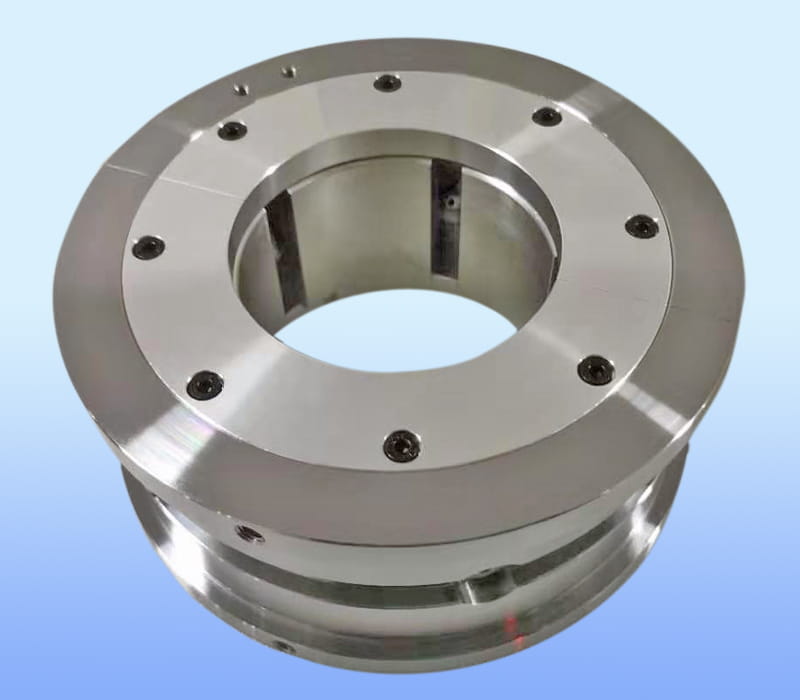
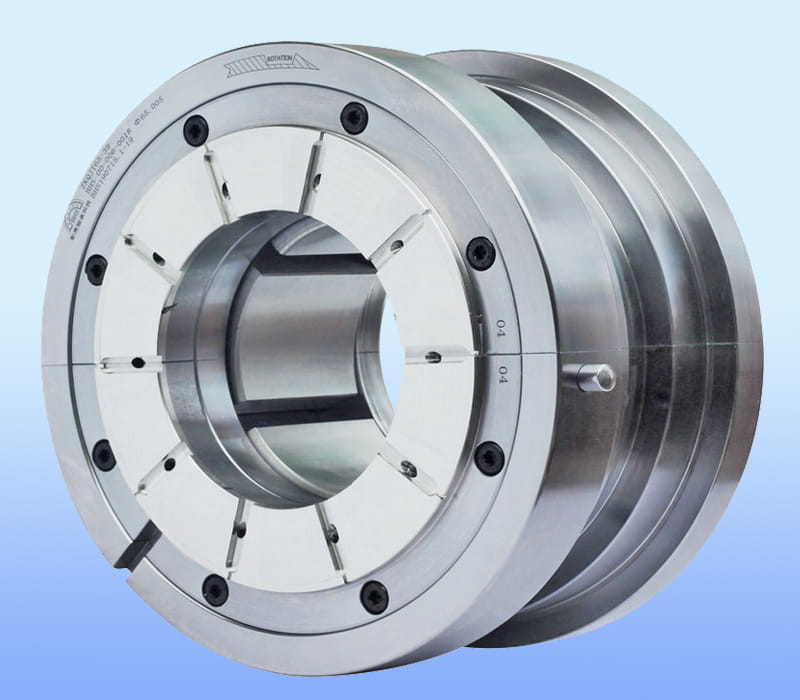
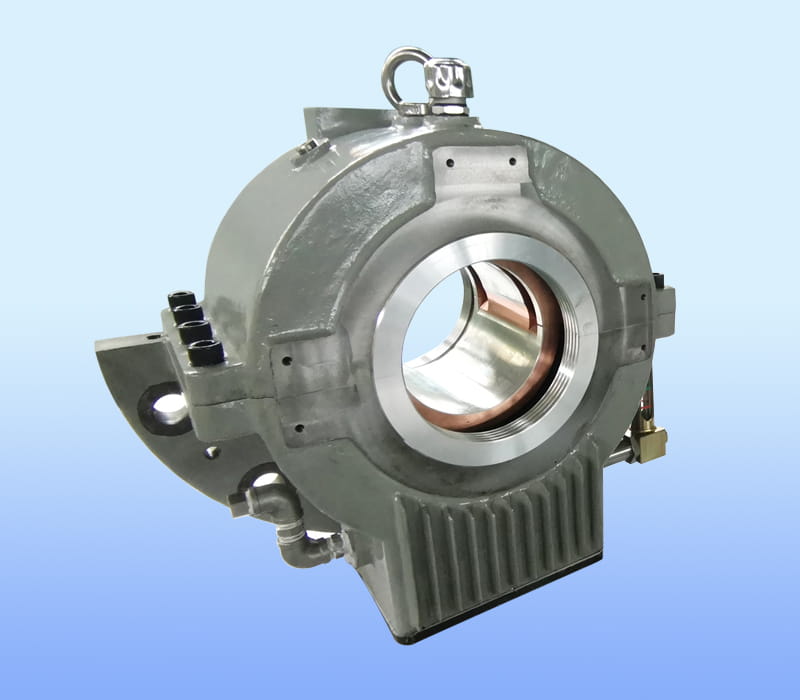
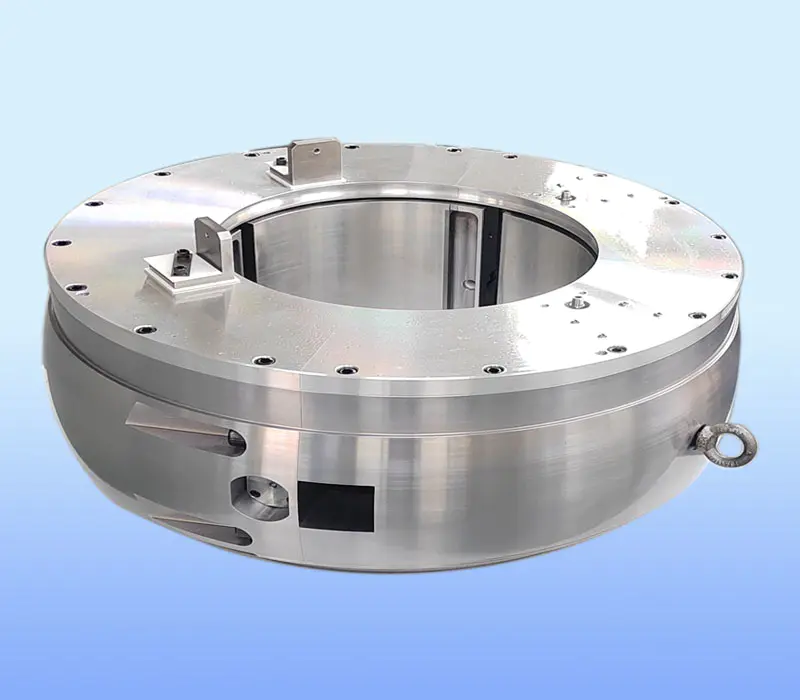
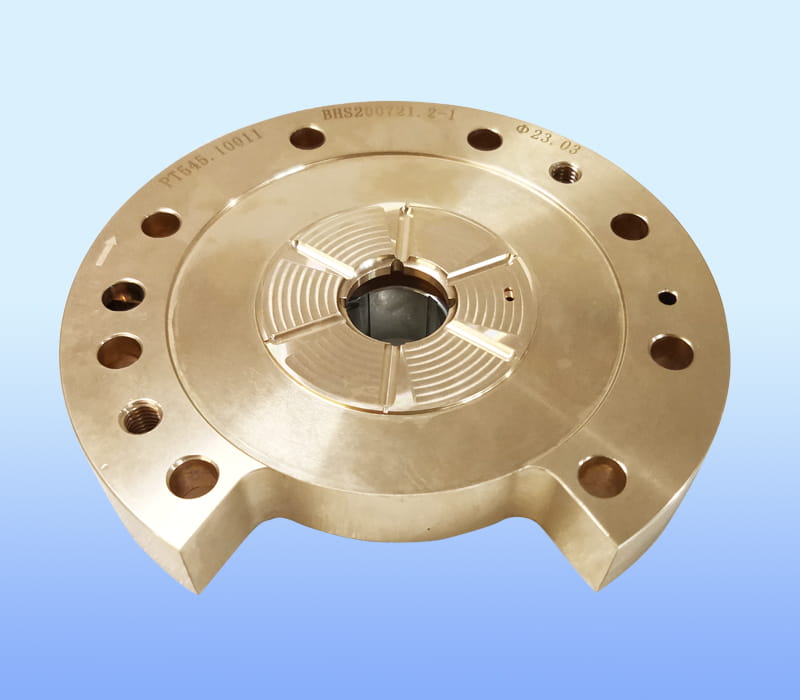
ZHEJIANG BHS JOURNAL BEARING CO.,LTD. located in FengXian District of ZheJiang, the company's brand "BHS", is a professional tilting pad thrust bearings manufacturers and Tilting pad bearings factory...

Tilting pad bearings work by automatically adjusting individual pads to create a stable hydrodynamic oil film that supports rotating shafts. This self-aligning mechanism minimizes vibration, reduces friction, and improves load distribution. Their ability to adapt to changing operating conditions makes tilting pad bearings essential for high-speed rotating machinery where stability and precision are critical.
Unlike fixed-geometry bearings, these bearings continuously optimize the angle of contact between the shaft and bearing surface. This dynamic adjustment improves operational reliability and significantly lowers the risk of instability under demanding rotational speeds.
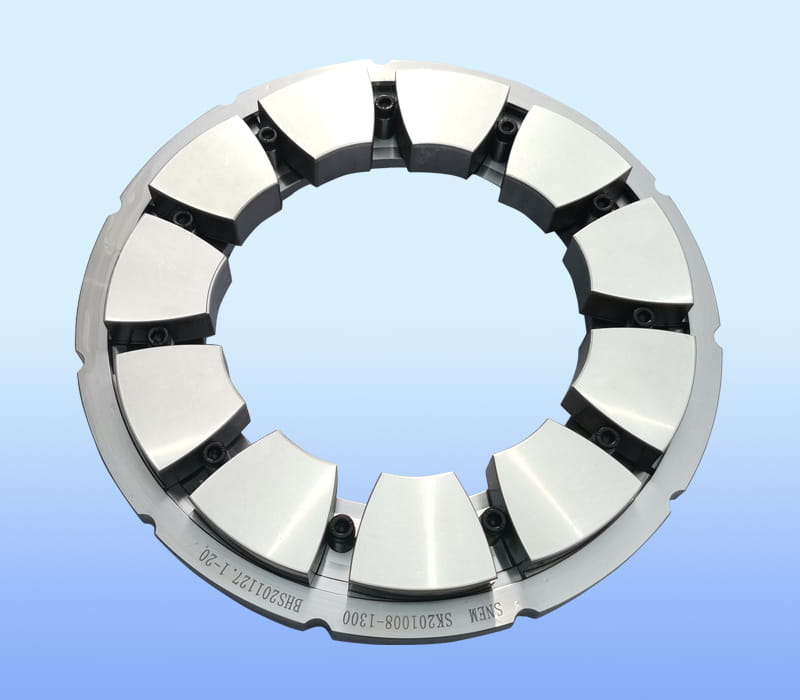
Tilting pad bearings are designed with multiple separate pads mounted on pivots. Each pad can rotate slightly, allowing it to find the ideal angle for forming an oil wedge between the shaft and pad surface.
The pivoting design can reduce vibration amplitudes by more than 50% compared to conventional fixed-sleeve bearings under high-speed conditions.
The bearing’s performance depends on hydrodynamic lubrication. As the shaft rotates, lubricant is drawn into the narrowing gap between the shaft and tilted pad. This creates pressure within the oil film, generating lift that supports the shaft load.
The tilt angle creates a converging gap, forcing lubricant into compression. This pressure build-up separates the rotating shaft from the bearing surface.
Because each pad can reposition itself, the oil film remains stable even when shaft speed or load changes suddenly.
Typical film thickness ranges from 10 to 100 microns, depending on speed and load conditions.
Since each pad adjusts independently, load distribution becomes more uniform. This minimizes localized stress concentrations that can overheating or premature wear.
| Feature | Performance Benefit |
|---|---|
| Pad Tilting Action | Automatic load balancing |
| Hydrodynamic Film | Reduced friction and wear |
| Independent Pad Motion | Better vibration damping |
| Thermal Stability | Lower operating temperature |
This balanced pressure distribution significantly extends service life under continuous operation.
Fixed bearings can suffer from oil whirl and oil whip at elevated speeds. Tilting pad bearings naturally suppress these dynamic instabilities because each pad breaks the continuous fluid film pattern that often causes vibration amplification.
This damping effect makes them ideal for turbines, compressors, generators, and other high-speed rotor systems.
Rotor systems using tilting pad bearings often operate safely above critical speed thresholds where fixed bearings may fail.
Proper viscosity ensures stable film thickness and effective cooling.
Pad arc angle and pivot location affect pressure generation efficiency.
Higher speeds strengthen oil film pressure but also increase thermal demands.
Effective heat dissipation preserves lubricant properties and dimensional stability.
The working principle of tilting pad bearings lies in adaptive pad movement and hydrodynamic lubrication. This combination creates stable shaft support, suppresses vibration, distributes load evenly, and enhances long-term reliability. Their advanced self-adjusting design explains why they remain a preferred solution for high-performance rotating equipment requiring precision and operational stability.
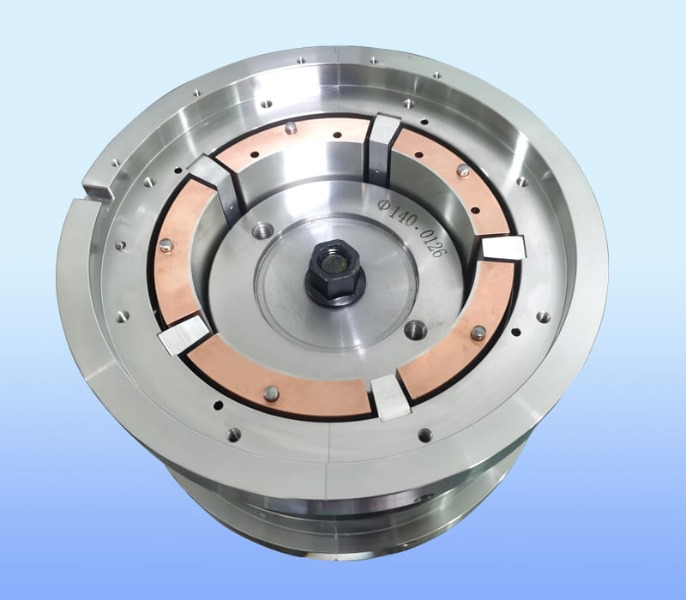

ZHEJIANG BHS JOURNAL BEARING CO.,LTD. located in FengXian District of ZheJiang, the company's brand "BHS", is a professional tilting pad thrust bearings manufacturers and Tilting pad bearings factory...
Copyright © 2017 ZHEJIANG BHS JOURNAL BEARING CO.,LTD. All Right Reserved. China Tilting Pad Journal Bearings Manufacturers
