
 Tel:+86-575 -87957662
 Email:
 English
 中文简体
中文简体ZHEJIANG BHS JOURNAL BEARING CO.,LTD. located in FengXian District of ZheJiang, the company's brand "BHS", is a professional tilting pad thrust bearings manufacturers and Tilting pad bearings factory...

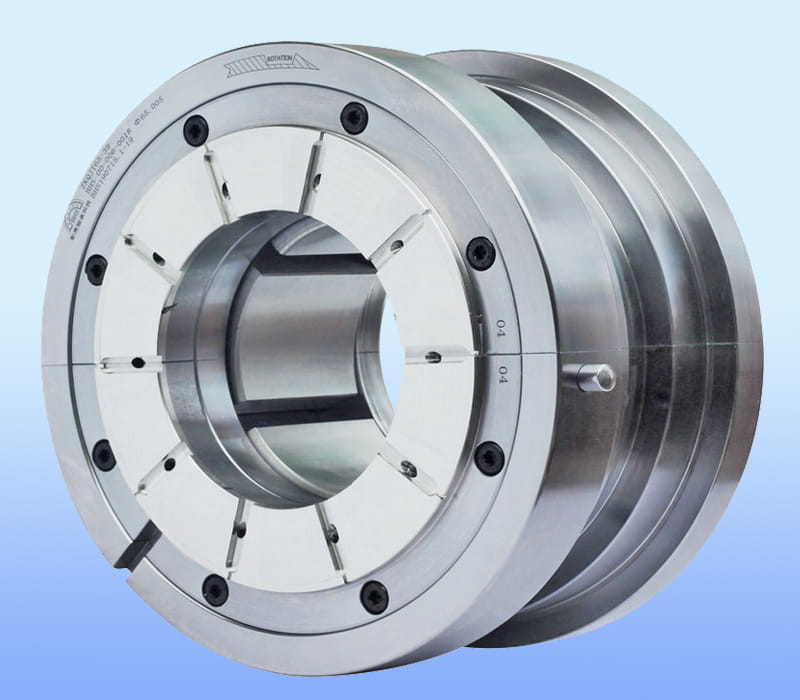
Why This Decision Deserves More Than a Catalog Glance Bearing selection is often treated as a routine line item, yet the bearing type sets the boundaries for everything around it. It shapes how the shaft behaves, how much heat the machine generates, how often the lubrication system needs attention,... read more
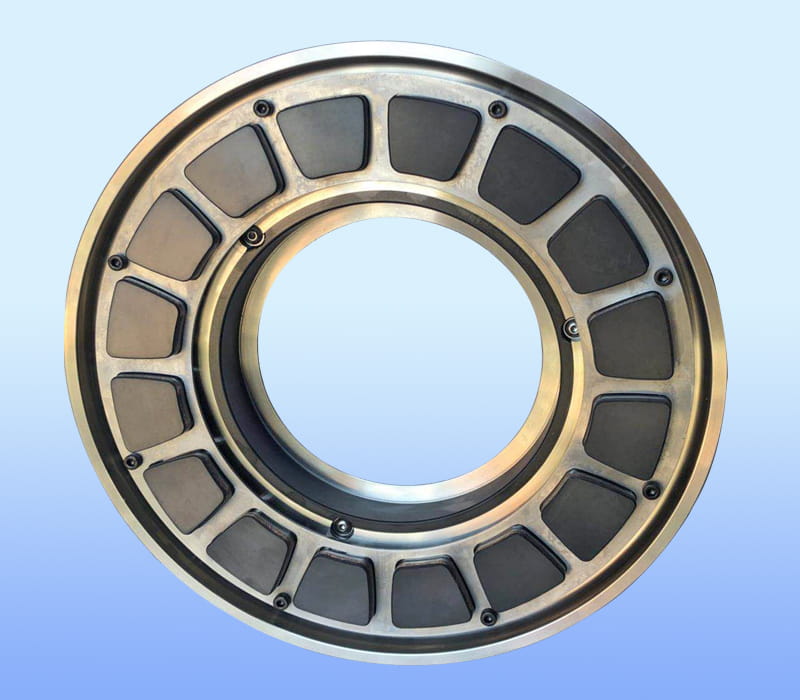
Why Engineers Are Rethinking Thrust Bearing Materials In rotating machinery, axial loads generated by impellers, rotors and hydraulic forces must be carried by a dedicated component. For decades the default solution was a babbitt-faced tilting pad or a fixed segment running on an oil film. These de... read more
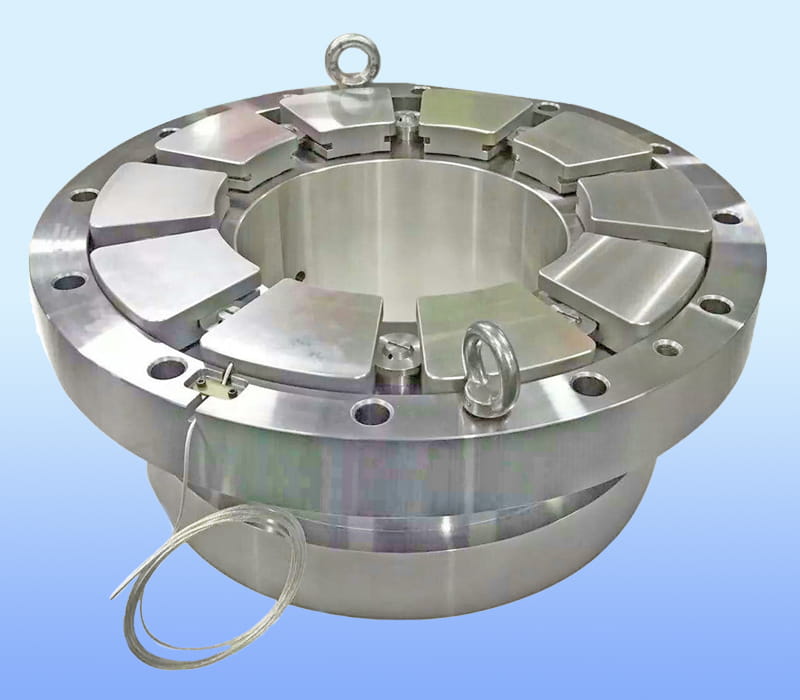
Axial load is the quiet stress inside every centrifugal pump. The rotor pushes against its bearing with every revolution, and the component that absorbs that push is often the last thing anyone inspects until a temperature alarm or a vibration trip forces the issue. Choosing the right pump thrust p... read more
Tilting pad bearings solved the subsynchronous oil whirl problem that plagued fixed-geometry journal bearings for decades. Yet at high speed and light load, a different instability emerges, one that is thermal in origin and synchronous in frequency. The industry calls it the Morton Effect. It is no... read more
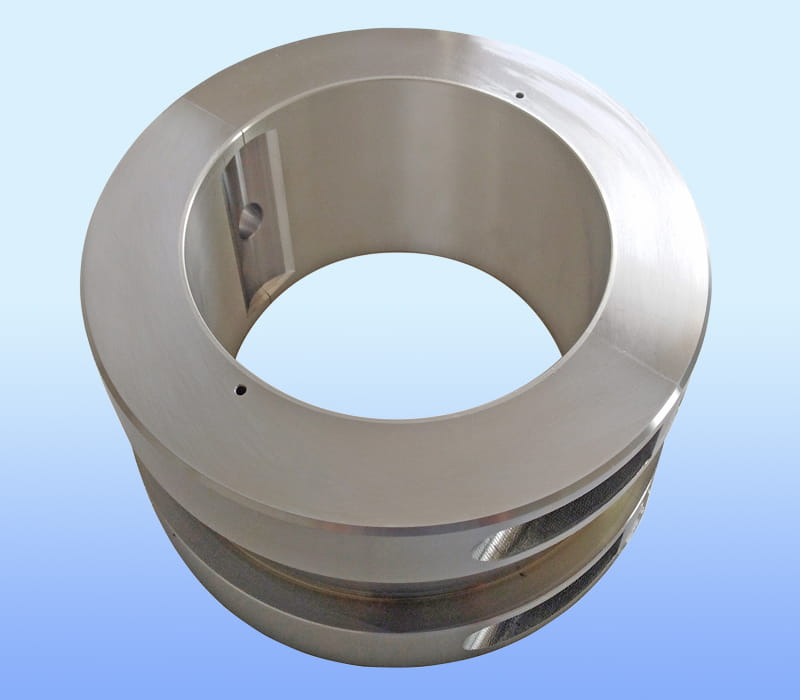
Oil film pressure monitoring stands as one of the most reliable early warning systems for tilting pad bearings. When pressure readings deviate from expected values, it often signals the onset of wear, film instability, or load distribution problems—conditions that, if undetected, can escalate to c... read more
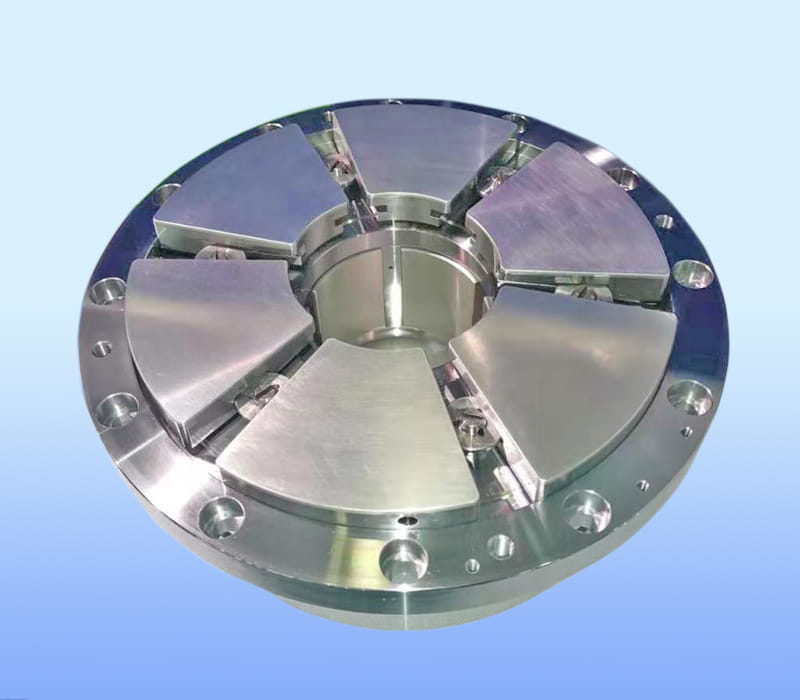
Why Expander Duty Pushes Radial Bearings to Their Limits In cryogenic processing, natural gas liquids recovery, and energy recovery trains, the turboexpander is often the most demanding rotating machine in the plant. It operates at high speed, carries a relatively light rotor mass, and must remain ... read more

ZHEJIANG BHS JOURNAL BEARING CO.,LTD. located in FengXian District of ZheJiang, the company's brand "BHS", is a professional tilting pad thrust bearings manufacturers and Tilting pad bearings factory...
Copyright © 2017 ZHEJIANG BHS JOURNAL BEARING CO.,LTD. All Right Reserved. China Tilting Pad Journal Bearings Manufacturers
