
 Tel:+86-575 -87957662
 Email:

 English
 中文简体
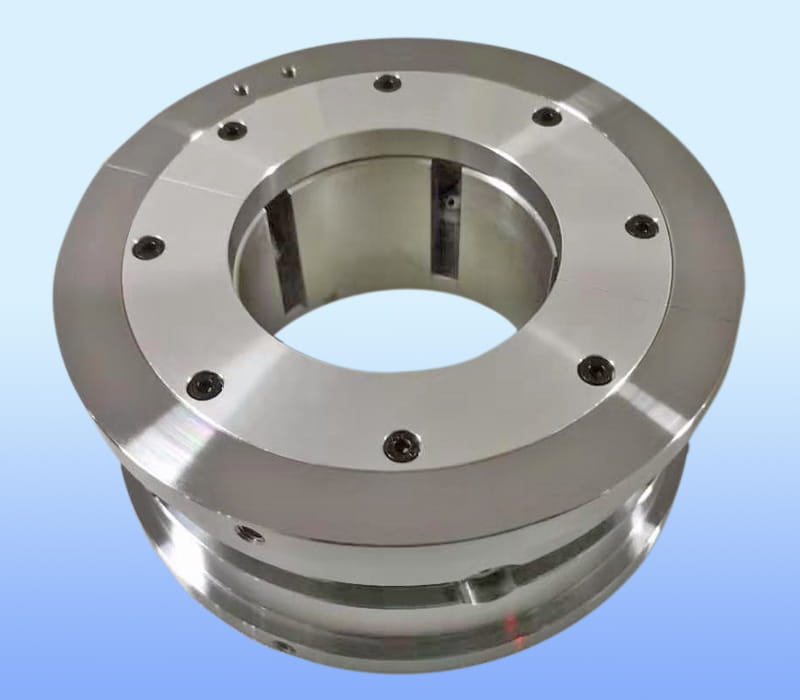
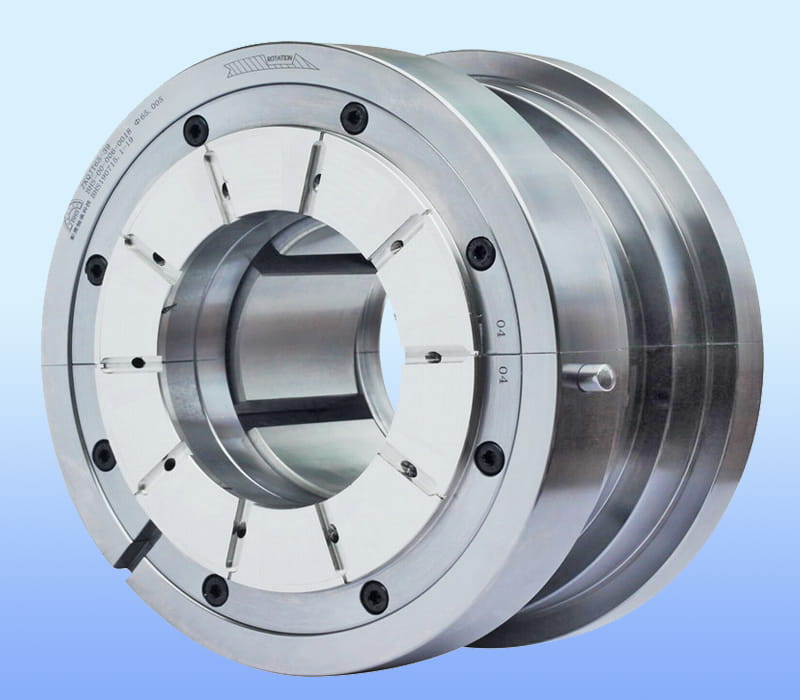
ZHEJIANG BHS JOURNAL BEARING CO.,LTD. located in FengXian District of ZheJiang, the company's brand "BHS", is a professional tilting pad thrust bearings manufacturers and Tilting pad bearings factory...

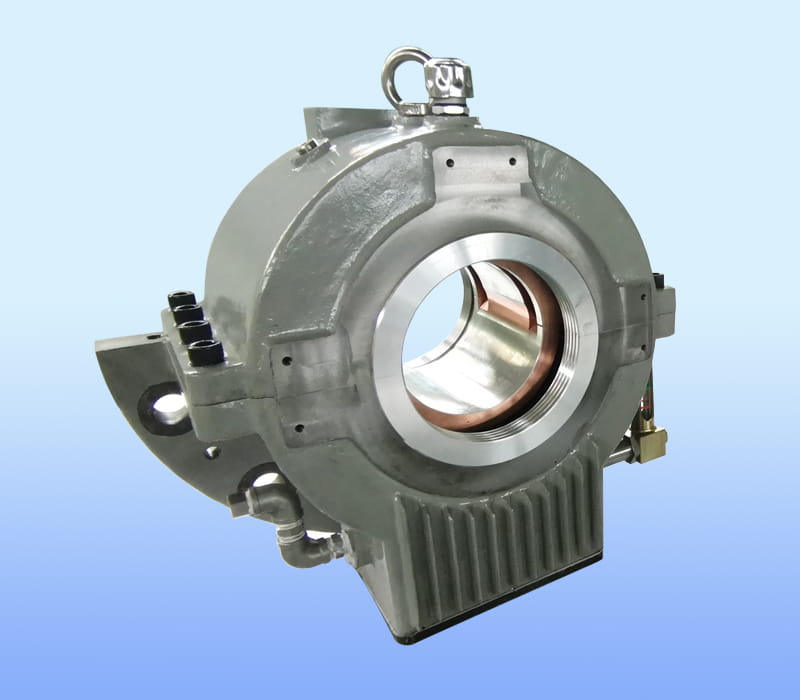
Modern process plants rely on high-speed rotating equipment to move gas, recover energy and maintain stable production. At the center of many of these machines sit expander bearings, a specialized family of sliding bearings designed to support a rapidly spinning rotor under radial loads, thermal stress and occasional vibration shocks. Unlike rolling element bearings, which can struggle at very high surface speeds, sliding designs rely on a thin film of lubricant that separates the rotating shaft from the stationary housing.
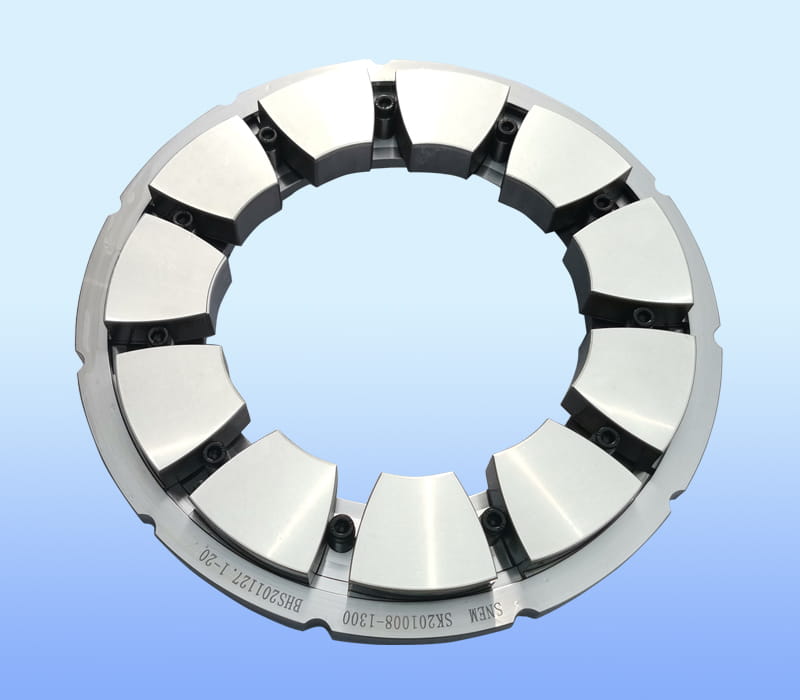
Within this family, tilting pad designs have become a common choice because each pad can pivot slightly to form its own optimal oil wedge. This self-adjusting behavior helps the bearing resist oil whirl, a destabilizing phenomenon that can damage a rotor at high speed. Engineers evaluating a new expander or refurbishing an existing unit often start by asking how the bearing will behave across the full operating envelope, not just at its nominal rating.
Expander bearings appear wherever high-speed rotating machinery must operate reliably for long periods. Their design priorities shift slightly depending on the equipment, but the underlying requirements are consistent: stable rotor support, reliable lubrication and predictable thermal behavior.
Process expanders that recover energy from high-pressure streams, often operating at high speed with significant thermal gradients.
Compressors, blowers and high-speed pumps that demand low vibration and consistent film stiffness.
Continuous-duty industrial drives where unplanned downtime carries high cost and safety implications.
In many of these settings, the bearing must tolerate elevated process temperatures, humidity, corrosive vapors and frequent load changes. Each of these factors shapes the clearance, pad geometry and material selection that a bearing engineer specifies.
The rated load of an expander bearing is only meaningful when placed in its real operating context. Field experience shows that the same bearing can deliver very different service life depending on temperature, lubricant condition and vibration level. Designers therefore review load capacity together with environmental derating factors rather than relying on a single catalog value.
| Operating Factor | Effect on Load Capacity | Typical Design Response |
|---|---|---|
| Elevated oil temperature | Reduces viscosity and film thickness | Adjust clearance and oil supply |
| Corrosive process vapors | Degrades surface and pad material | Select anti-corrosion alloy |
| Shock and vibration | Causes intermittent metal contact | Increase pad stiffness and damping |
| High humidity | Promotes contamination and oxidation | Improve sealing and filtration |
Overheating is one of the most common issues reported in sliding bearing installations. Heat builds up when the oil film becomes too thin, when oil flow is insufficient or when bearing clearances drift outside their intended range. Temperature trends in the bearing babbitt or pad surface often provide the earliest warning, and a sustained rise of even a few degrees above baseline deserves investigation.
A useful reference for engineers is the discussion of thermal instability in tilting pad designs, where the balance between pad temperature and oil film stiffness determines whether the bearing remains stable. A related technical article on this subject is available on our site.
Selecting a bearing for an expander is as much about the design features as the nominal size. The following characteristics distinguish a robust tilting pad design from a basic sliding arrangement.
Define speed, load and environment
Model rotor dynamics and film stiffness
Specify geometry, material and lubrication
Verify through testing and monitoring
The following table summarizes the parameters that engineers typically define when specifying an expander bearing. Values depend heavily on the application, so the table serves as a checklist rather than a fixed rating.
| Parameter | Description | Selection Consideration |
|---|---|---|
| Bearing type | Tilting pad radial sliding bearing | Matches rotor dynamic requirements |
| Pad material | Babbitt-lined or copper-alloy pads | Compatibility with lubricant and temperature |
| Operating speed | High-speed rotor support | Film stability at maximum continuous speed |
| Lubrication | Forced oil supply | Flow rate and inlet temperature |
Even a well-designed bearing needs consistent monitoring to deliver its expected service life. Maintenance teams typically combine three layers of supervision: continuous vibration measurement, periodic oil analysis and temperature trending at each pad or bearing housing.
Each pad can pivot to form its own oil wedge, which improves stability at high speed and helps suppress oil whirl.
Operating temperature, lubricant condition, load magnitude, corrosive exposure and vibration level all play significant roles.
Continuous pad temperature trending combined with vibration monitoring usually reveals a developing problem before it becomes critical.
Yes. Elevated temperature, contamination and shock loading reduce effective capacity, so environmental derating should be part of every selection review.

ZHEJIANG BHS JOURNAL BEARING CO.,LTD. located in FengXian District of ZheJiang, the company's brand "BHS", is a professional tilting pad thrust bearings manufacturers and Tilting pad bearings factory...
Copyright © 2017 ZHEJIANG BHS JOURNAL BEARING CO.,LTD. All Right Reserved. China Tilting Pad Journal Bearings Manufacturers
