
 Tel:+86-575 -87957662
 Email:
 English
 中文简体
中文简体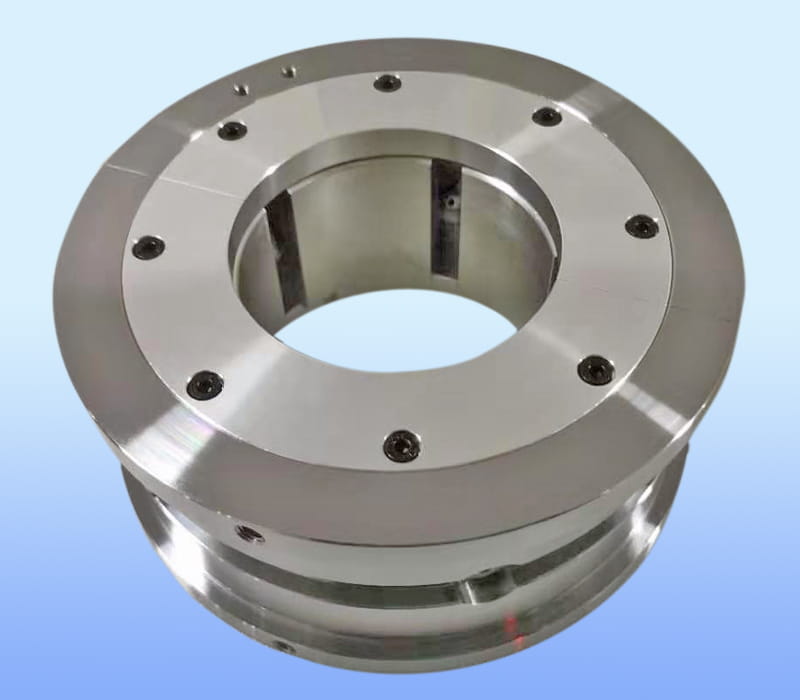
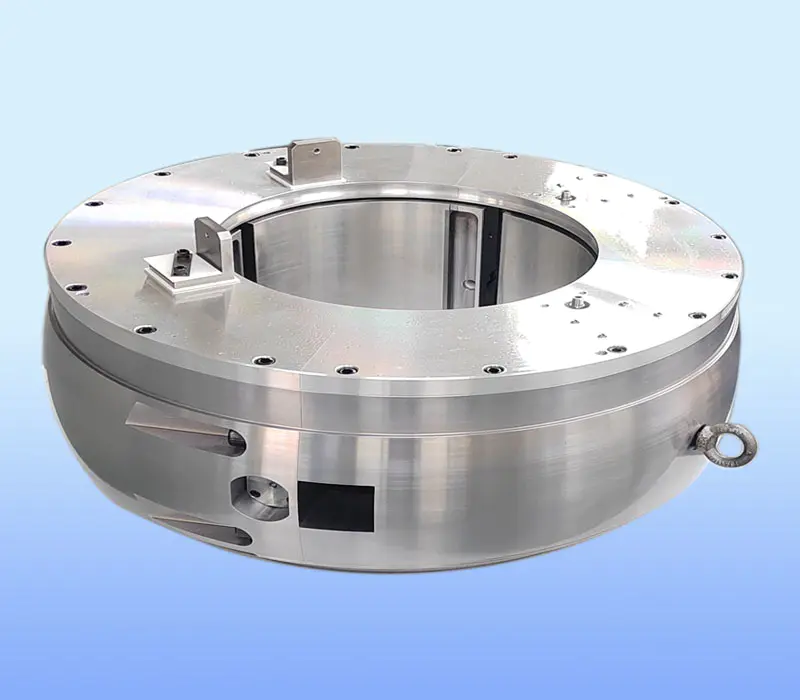
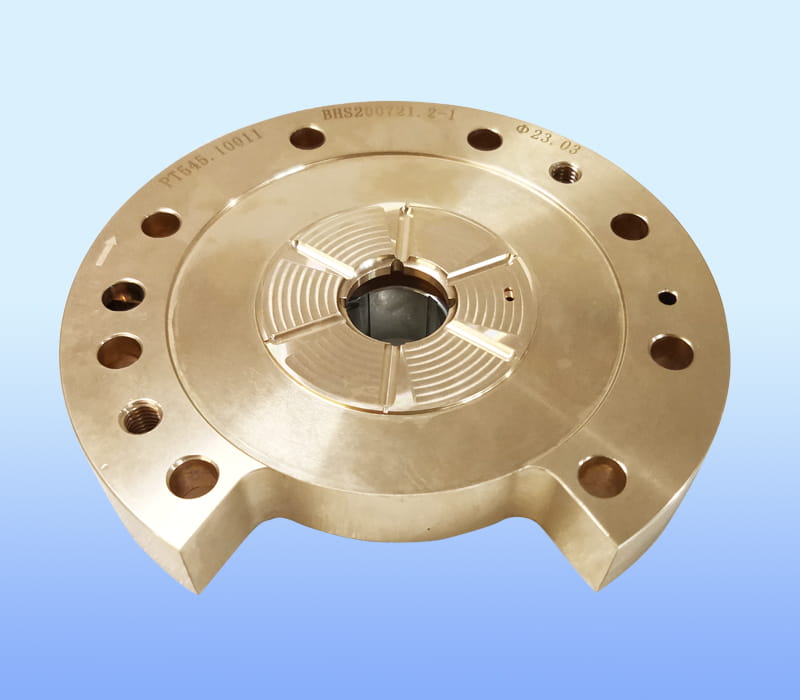
ZHEJIANG BHS JOURNAL BEARING CO.,LTD. located in FengXian District of ZheJiang, the company's brand "BHS", is a professional tilting pad thrust bearings manufacturers and Tilting pad bearings factory...

Large rotating machinery — turbines, compressors, generators — depends on a component most operators rarely see: the journal bearing pad. Unlike rolling element bearings, it carries the shaft on a thin film of oil rather than metal-on-metal contact, which is exactly why it can handle loads and speeds that would destroy a conventional bearing. Here's how the technology works and what to check before specifying one.
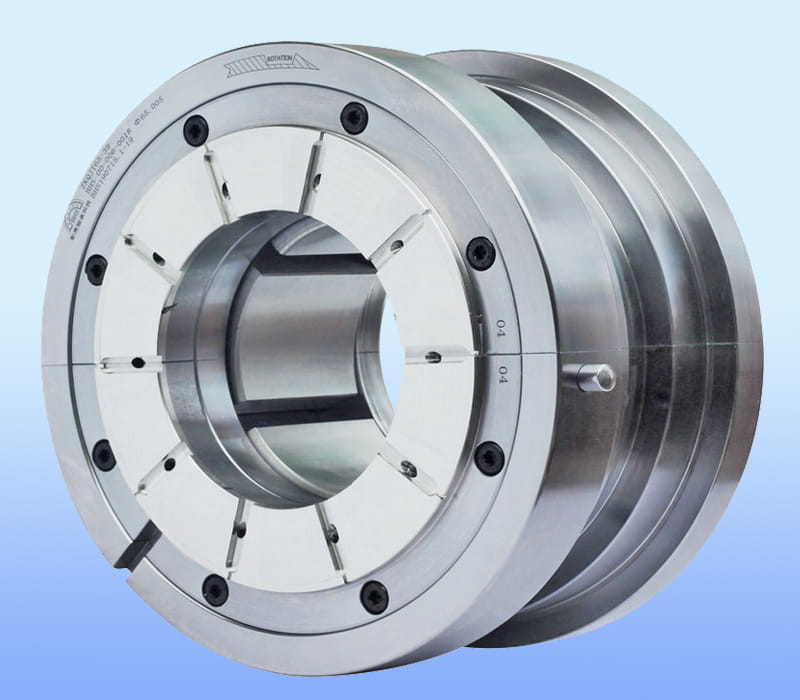
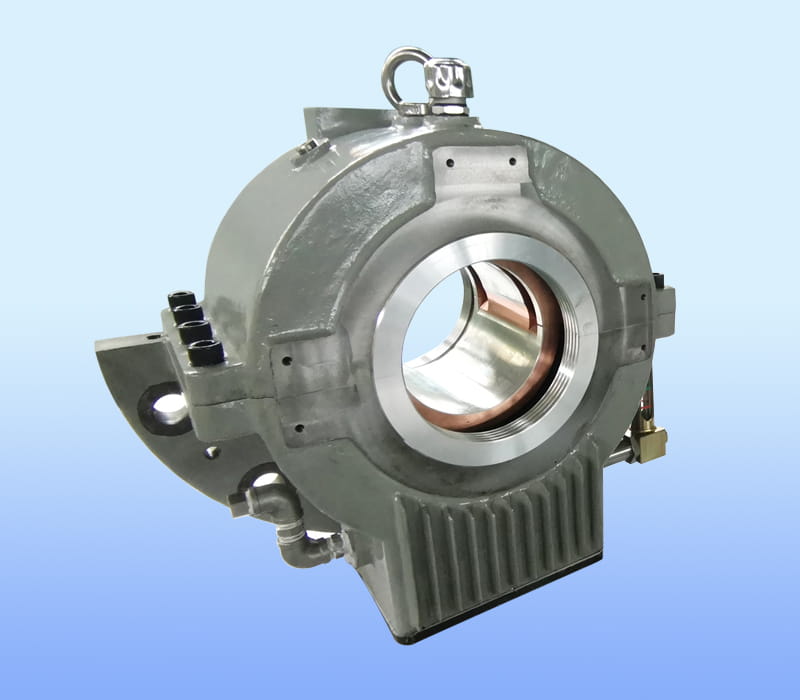
A journal bearing pad supports a rotating shaft on a hydrodynamic oil film that separates the shaft journal from the bearing surface, eliminating direct metal contact during rotation.
As the shaft turns, lubricating oil is drawn into the bearing clearance and pressurized, creating a load-bearing film only microns thick. That film absorbs radial load, dampens vibration, and carries away heat generated during operation — all without the rolling elements found in ball or roller bearings.
Journal bearing pads are specified wherever rotating equipment combines heavy radial load with sustained high-speed operation — conditions where rolling bearings wear out quickly or lose damping performance.
High temperature and speed demand stable oil film support.
Continuous operation in petrochemical and gas processing plants.
Smooth rotation for power plant and marine applications.
Alignment and load support for heavy rotating assemblies.
The choice between a journal bearing pad and a rolling element bearing usually comes down to load, speed, and vibration tolerance rather than cost alone.
| Attribute | Journal Bearing Pad | Rolling Bearing |
| Operating principle | Oil film sliding motion | Rolling elements |
| Load capacity | Very high | Medium to high |
| Vibration damping | Excellent | Limited |
| Maintenance | Requires lubrication system | Simpler replacement |
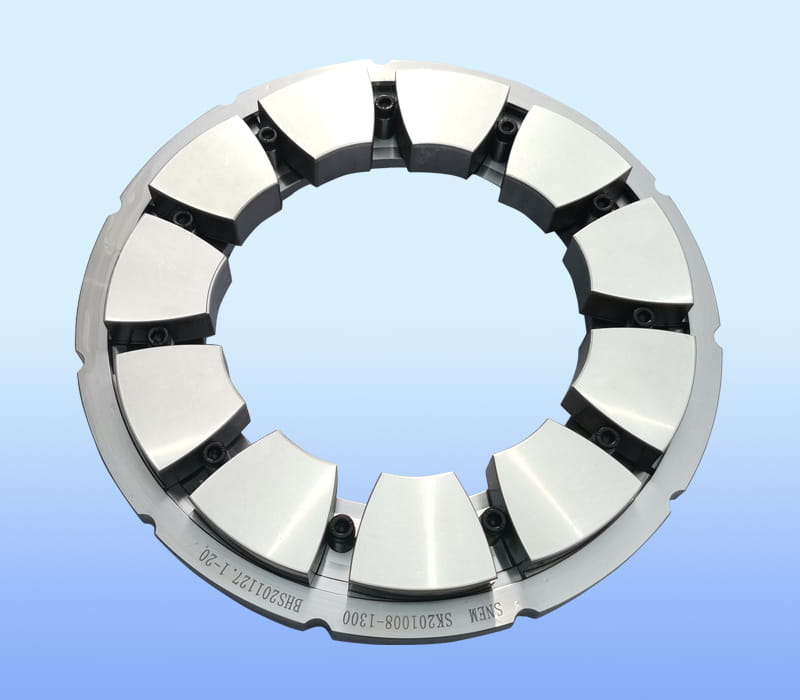
Bearing diameter, pad angle, number of pads, and clearance tolerance define how the shaft is physically supported.
Load rating, rotational speed, operating temperature, and lubrication type determine whether the pad will perform reliably.
Precision matters more with journal bearing pads than with most rotating components — clearance tolerances measured in microns directly affect oil film stability.
Journal bearing pads outperform rolling bearings wherever load, speed, and vibration control matter most — turbines, compressors, and large generators being the clearest examples. Getting clearance, material, and geometry right at the specification stage is what determines whether the bearing delivers years of stable operation or requires early replacement.

ZHEJIANG BHS JOURNAL BEARING CO.,LTD. located in FengXian District of ZheJiang, the company's brand "BHS", is a professional tilting pad thrust bearings manufacturers and Tilting pad bearings factory...
Copyright © 2017 ZHEJIANG BHS JOURNAL BEARING CO.,LTD. All Right Reserved. China Tilting Pad Journal Bearings Manufacturers
