
 Tel:+86-575 -87957662
 Email:
 English
 中文简体
中文简体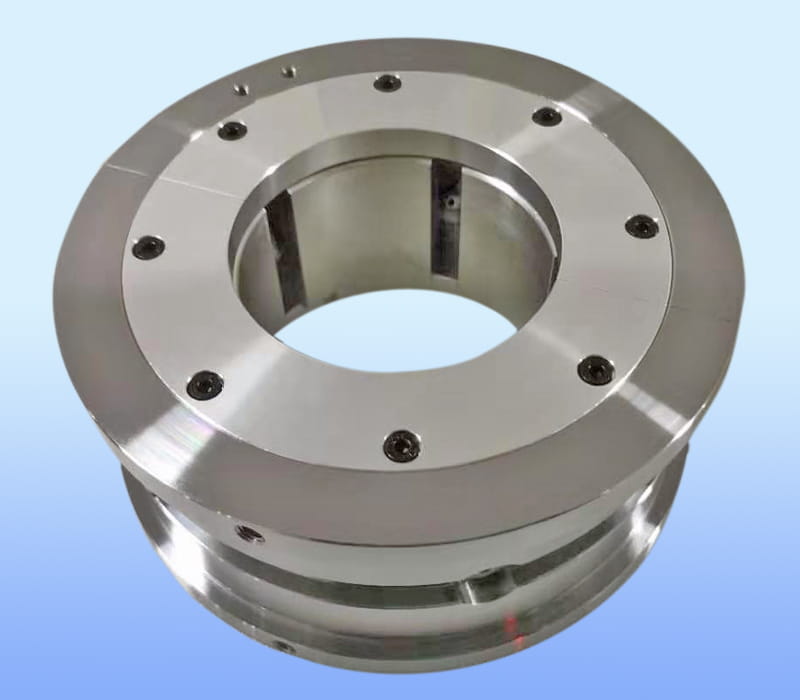
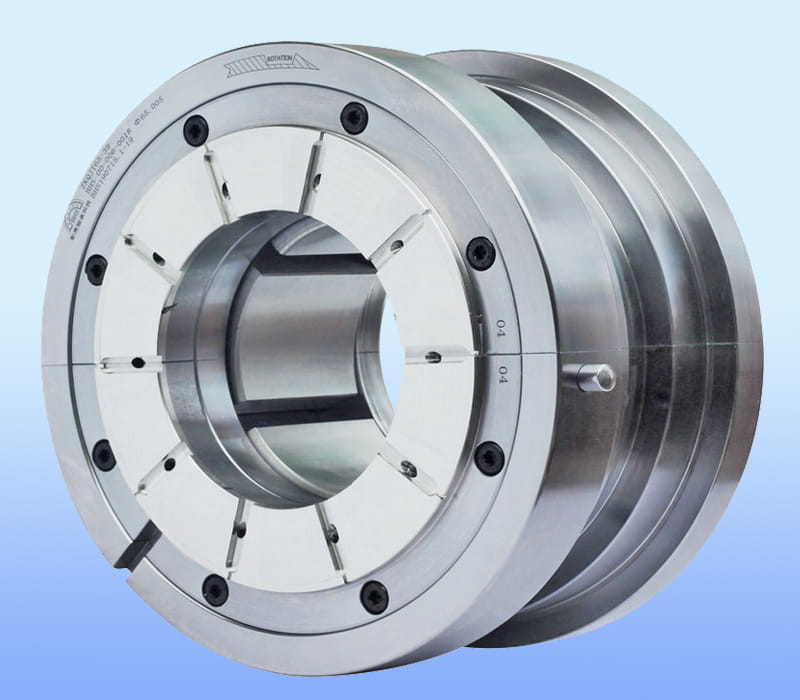
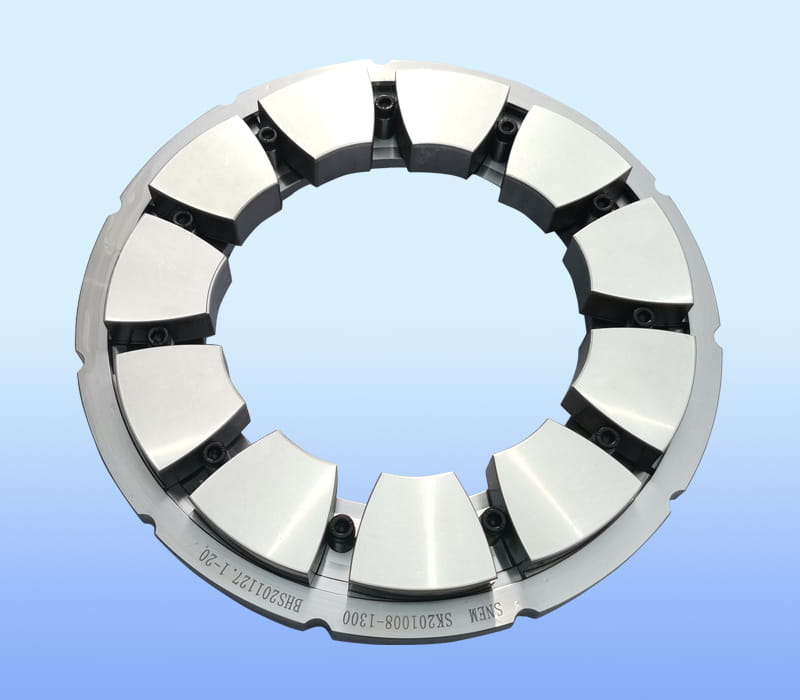
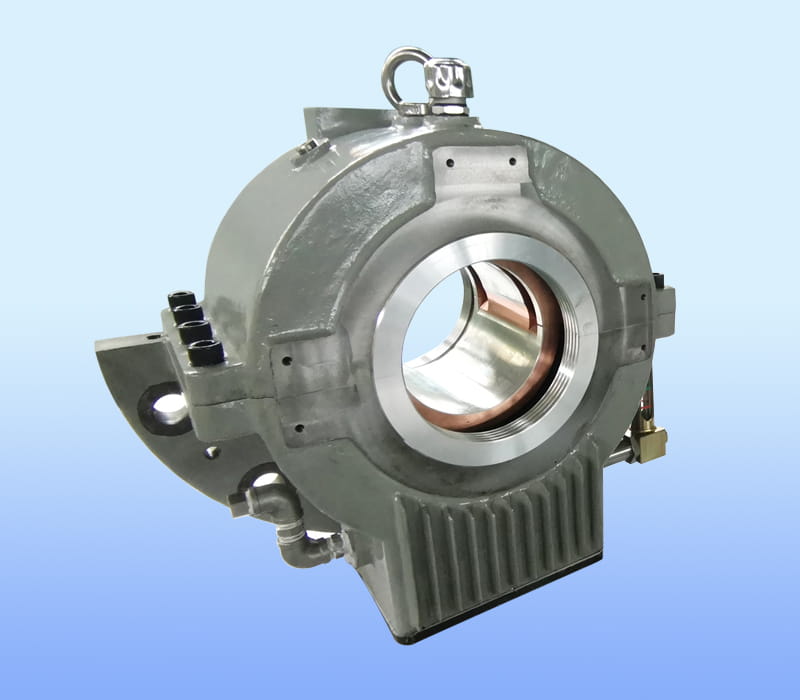
ZHEJIANG BHS JOURNAL BEARING CO.,LTD. located in FengXian District of ZheJiang, the company's brand "BHS", is a professional tilting pad thrust bearings manufacturers and Tilting pad bearings factory...

Bearing failure is one of the most common causes of unplanned compressor downtime, and catching it early depends on knowing exactly what to look for. Air compressor bearing replacement restores shaft support, reduces friction, and prevents the kind of secondary damage that turns a routine part swap into a full rebuild. This guide covers the warning signs, technical specs, and supplier checks that matter most.
Compressor bearings support rotor and motor shafts while absorbing radial and axial loads during continuous rotation. Vibration, heat cycling, and inconsistent lubrication gradually wear the rolling surface, and once clearance exceeds tolerance, failure accelerates fast rather than gradually.
Do not wait for total failure. Grinding noise, rising vibration, and unexplained heat at the bearing housing are early indicators that replacement is due — running past this point risks shaft and housing damage that costs far more than the bearing itself.
Screw, reciprocating, and rotary compressors place different demands on bearing selection. Specifying the wrong type is one of the most common causes of premature repeat failure.
| Compressor Type | Common Bearing Role | Key Spec |
| Screw compressors | Rotor and thrust bearings | High speed rating |
| Reciprocating compressors | Crankshaft and rod bearings | High load capacity |
| Rotary compressors | Motor shaft bearings | Low vibration tolerance |
| Mining/heavy duty units | Sealed heavy-load bearings | Dust and heat resistance |
Air compressor bearing replacement is almost always more reliable than attempting to repair a worn bearing in place.
Temporary noise or vibration reduction, does not restore original tolerance, higher risk of recurring failure, lower upfront cost.
Restores original clearance and load capacity, extends service interval, reduces risk to shafts and housings, supports predictable maintenance planning.
Once the failure mode is confirmed, sourcing the correct replacement part matters as much as the diagnosis itself.
Bearing wear rarely stays isolated — left unaddressed, it spreads to shafts, housings, and adjacent components, turning a low-cost replacement into a major repair. Monitoring noise, vibration, and temperature, then sourcing correctly specified bearings from a qualified supplier, keeps compressor downtime and maintenance costs predictable.

ZHEJIANG BHS JOURNAL BEARING CO.,LTD. located in FengXian District of ZheJiang, the company's brand "BHS", is a professional tilting pad thrust bearings manufacturers and Tilting pad bearings factory...
Copyright © 2017 ZHEJIANG BHS JOURNAL BEARING CO.,LTD. All Right Reserved. China Tilting Pad Journal Bearings Manufacturers
