
 Tel:+86-575 -87957662
 Email:
 English
 中文简体
中文简体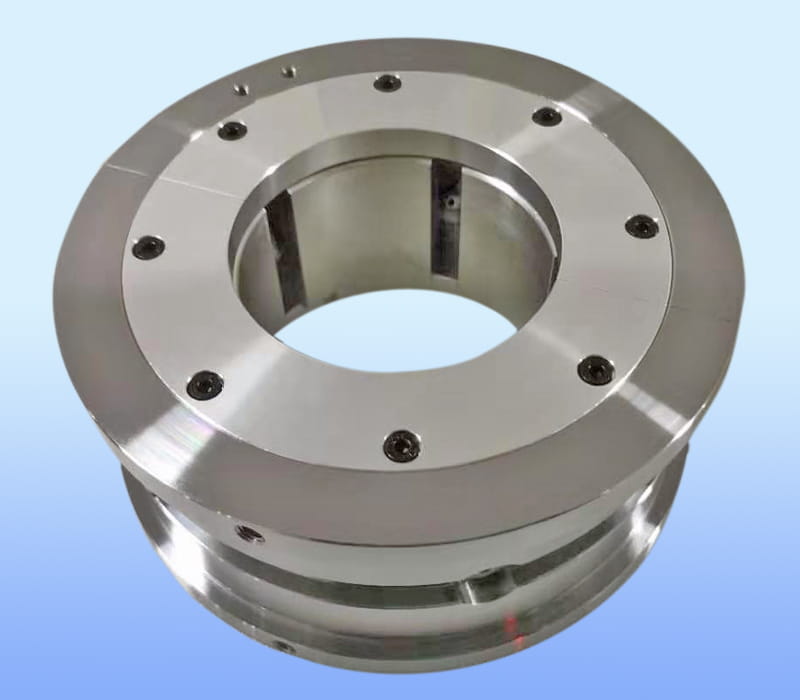
ZHEJIANG BHS JOURNAL BEARING CO.,LTD. located in FengXian District of ZheJiang, the company's brand "BHS", is a professional tilting pad thrust bearings manufacturers and Tilting pad bearings factory...

A bearing failure on a turbine or compressor rarely gives much warning before it takes the whole machine offline. This guide covers what makes turbomachinery bearings different from general-purpose bearings, how they manage load and vibration at high rotational speeds, and what to verify before specifying one for critical rotating equipment.
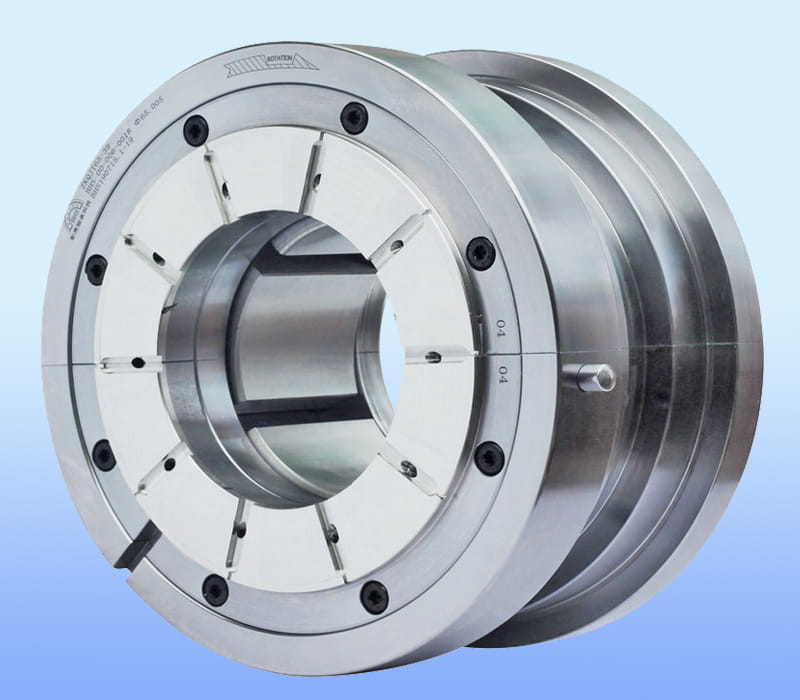
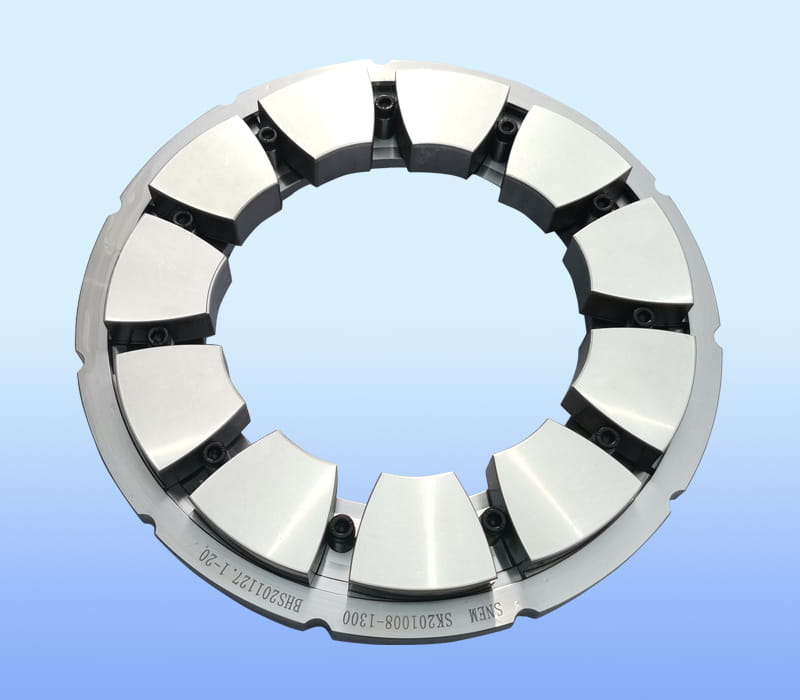
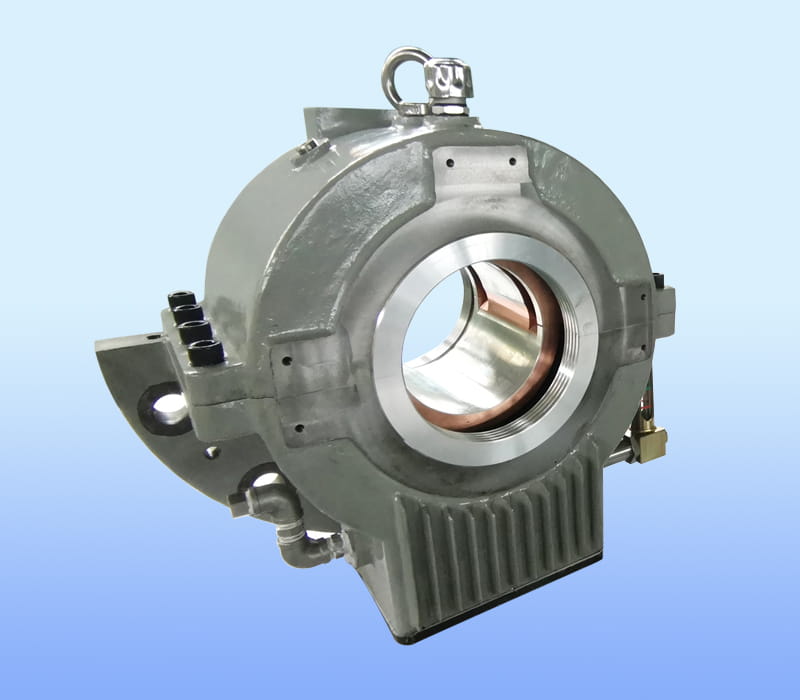
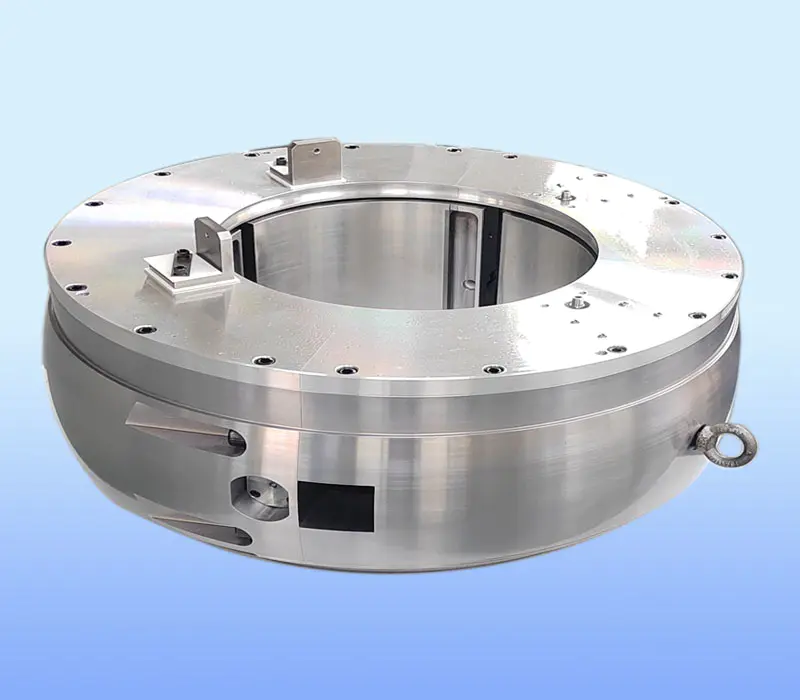
Turbomachinery bearings are precision-engineered components designed to support rotating shafts in turbines, compressors, pumps, and generators. Unlike general-purpose bearings, they are built to maintain shaft stability, low friction, and precise alignment under high rotational speeds, heavy dynamic loads, and continuous thermal stress.
Definition: A turbomachinery bearing is a precision mechanical component engineered to support and stabilize a rotating shaft in high-speed rotating equipment, managing radial and axial loads while minimizing friction and vibration.
The difference from a standard industrial bearing comes down to margin for error. A general bearing tolerates some misalignment or vibration; a turbomachinery bearing operating at tens of thousands of RPM cannot, which is why materials, clearances, and lubrication systems are engineered to much tighter tolerances.
Every stage of shaft rotation depends on the bearing managing load and friction without interruption.
The gap between the two becomes clear the moment speed, load, or temperature pushes past general-purpose limits.
Built for general mechanical applications under moderate operating conditions, with a lower initial cost but limited capacity for extreme speed, load, or continuous high-temperature operation.
Engineered specifically for high-speed, high-load rotating equipment, with a higher initial investment offset by improved reliability and lifecycle value in critical systems.
Bearing type and material selection shift depending on the machine's speed, load, and operating environment.
| Power Generation | Steam turbines, gas turbines, generators | Supports continuous, reliable power production |
| Oil and Gas | Compressors, pumps, processing equipment | Handles demanding high-speed operating conditions |
| Chemical Processing | Centrifugal compressors, process turbines | Maintains stable operation for continuous production |
| Aerospace | Aircraft turbines, auxiliary power units | Enables lightweight, high-performance rotating designs |
| Industrial Manufacturing | Large compressors, turbo machines | Reduces mechanical failures in automated production |
Before specifying a turbomachinery bearing for critical equipment, evaluate the manufacturer's precision engineering and testing capability, not just the catalog specification.
Match the bearing design to your rotor's actual operating profile first. Speed rating, load capacity, and lubrication requirements should be verified against your machine's real duty cycle, not a general product range.
Before ordering, confirm the speed rating matches your rotor's operating range, the load capacity covers your radial and axial forces, the lubrication method fits your system design, and the supplier can document dynamic performance and durability test results.

ZHEJIANG BHS JOURNAL BEARING CO.,LTD. located in FengXian District of ZheJiang, the company's brand "BHS", is a professional tilting pad thrust bearings manufacturers and Tilting pad bearings factory...
Copyright © 2017 ZHEJIANG BHS JOURNAL BEARING CO.,LTD. All Right Reserved. China Tilting Pad Journal Bearings Manufacturers
