
 Tel:+86-575 -87957662
 Email:
 English
 中文简体
中文简体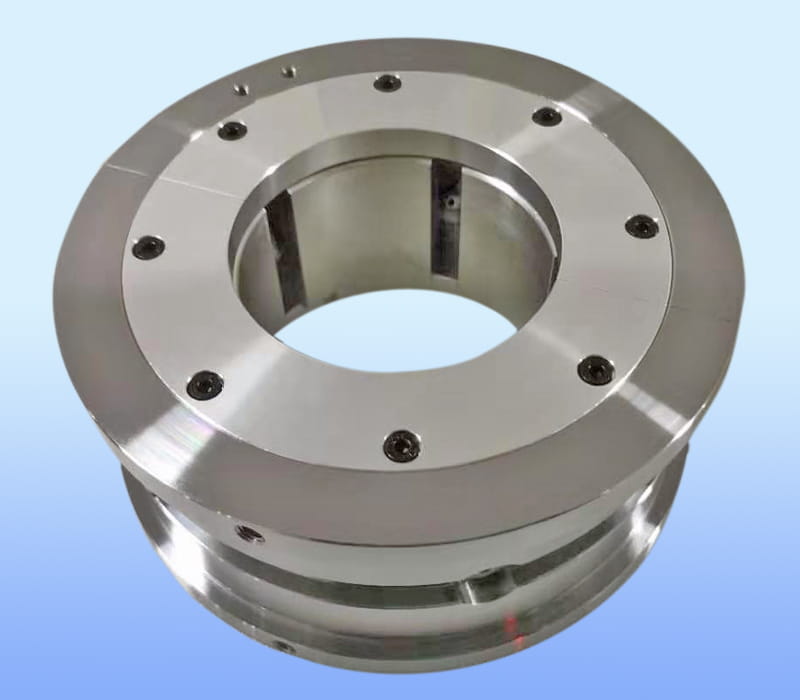
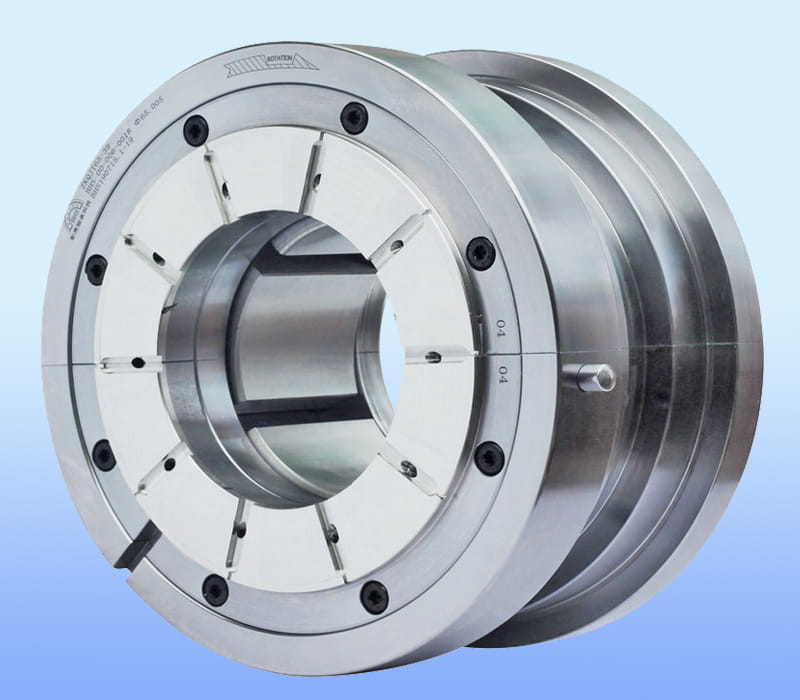
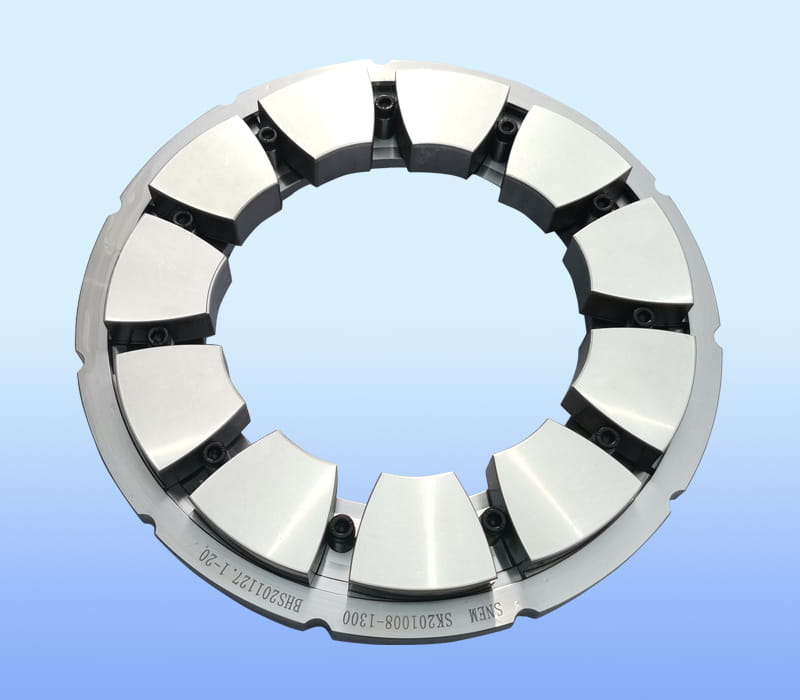
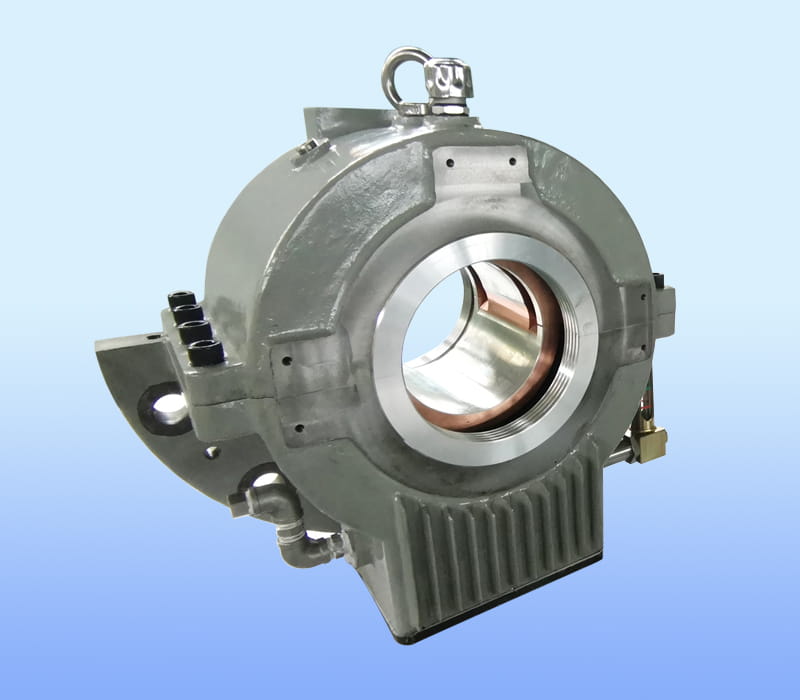
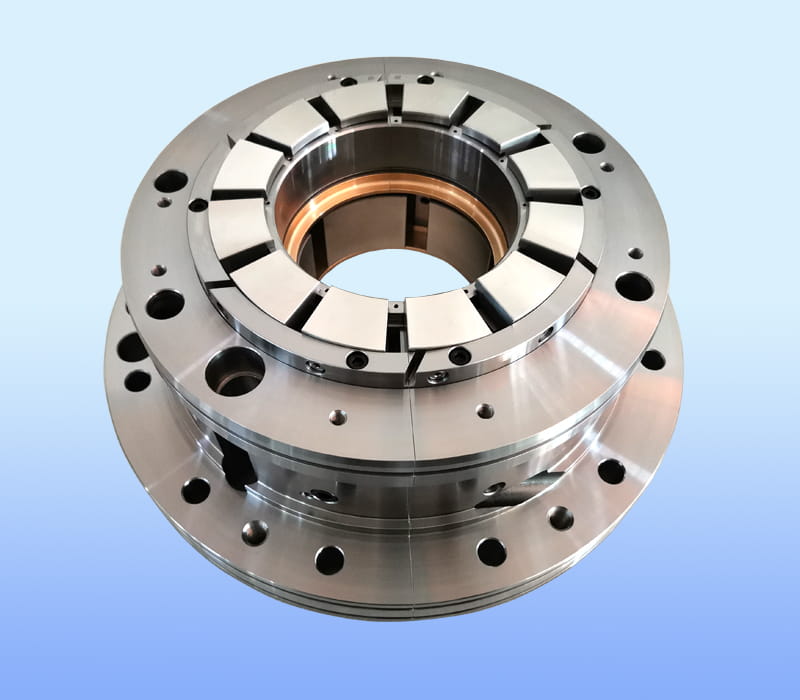
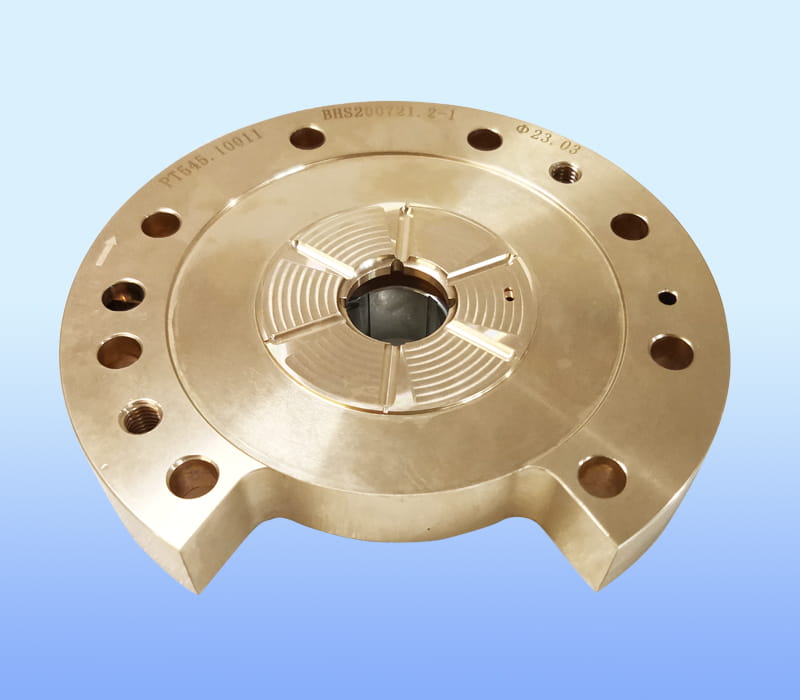
ZHEJIANG BHS JOURNAL BEARING CO.,LTD. located in FengXian District of ZheJiang, the company's brand "BHS", is a professional tilting pad thrust bearings manufacturers and Tilting pad bearings factory...

A compressor journal bearing is the sliding-contact support component that carries radial load on a rotating shaft inside a compressor, replacing metal-to-metal contact with a thin, controlled film of lubricant. Choosing the wrong one is one of the fastest ways to shorten a compressor's service life.
Unlike ball or roller bearings, a compressor journal bearing has no rolling elements. Instead, the shaft rotates directly inside a precision-bored sleeve, separated only by a hydrodynamic oil film. This design carries steady radial loads with minimal noise and vibration, which is exactly why it remains the standard choice inside reciprocating and screw compressor crankcases.
A journal bearing is defined by clearance, not contact: performance depends entirely on maintaining a stable, uninterrupted lubricant film between shaft and sleeve.
Every reliable compressor journal bearing selection starts with matching these parameters to your compressor's actual operating envelope, not to a catalog default.
For compressors running continuous, moderate-to-heavy radial loads at steady speed, the tradeoffs below usually favor a journal-style design.
Selection should follow the compressor's mechanical profile, not a generic size chart.
Reciprocating compressors generate cyclic radial loads; screw compressors run steadier loads at higher RPM. Each favors a different clearance and sleeve alloy.
Forced-feed systems allow tighter clearances and higher load ratings than splash-lubricated crankcases.
High ambient or discharge temperatures require babbitt or bimetal sleeves rated for sustained heat without softening.
Bore roundness and surface finish specs should be confirmed against ISO or OEM tolerance classes before purchase.
| Material | Best Use Case | Temperature Tolerance |
| Bronze / bronze alloy | Moderate load, general industrial compressors | Good |
| Babbitt-lined steel | High-speed, shock-load applications | Very good |
| Bimetal / trimetal alloy | Heavy duty, continuous operation compressors | Excellent |
Rising crankcase oil temperature, increased radial clearance found during teardown, and unexplained vibration at steady RPM are the three earliest indicators that a compressor journal bearing no longer matches its operating load. Catching these early avoids scored shafts and unplanned downtime.
Working with a manufacturer that machines to tight bore tolerance and offers custom sleeve alloys is the single biggest factor in extending compressor uptime.
It supports the radial load of a rotating compressor shaft using a sliding oil film instead of rolling elements, commonly inside reciprocating and screw compressor crankcases.
With correct clearance, lubrication, and load matching, a properly specified unit can run for years of continuous duty; mismatched fit or lubrication failure can cause damage within weeks.
Minor bore wear can sometimes be corrected by reboring and fitting an oversized sleeve, but heavily scored or overheated bearings should be replaced rather than repaired.
The most common causes are insufficient lubrication flow, excessive clearance from wear, contaminated oil, and misalignment between shaft and sleeve.

ZHEJIANG BHS JOURNAL BEARING CO.,LTD. located in FengXian District of ZheJiang, the company's brand "BHS", is a professional tilting pad thrust bearings manufacturers and Tilting pad bearings factory...
Copyright © 2017 ZHEJIANG BHS JOURNAL BEARING CO.,LTD. All Right Reserved. China Tilting Pad Journal Bearings Manufacturers
