
 Tel:+86-575 -87957662
 Email:
 English
 中文简体
中文简体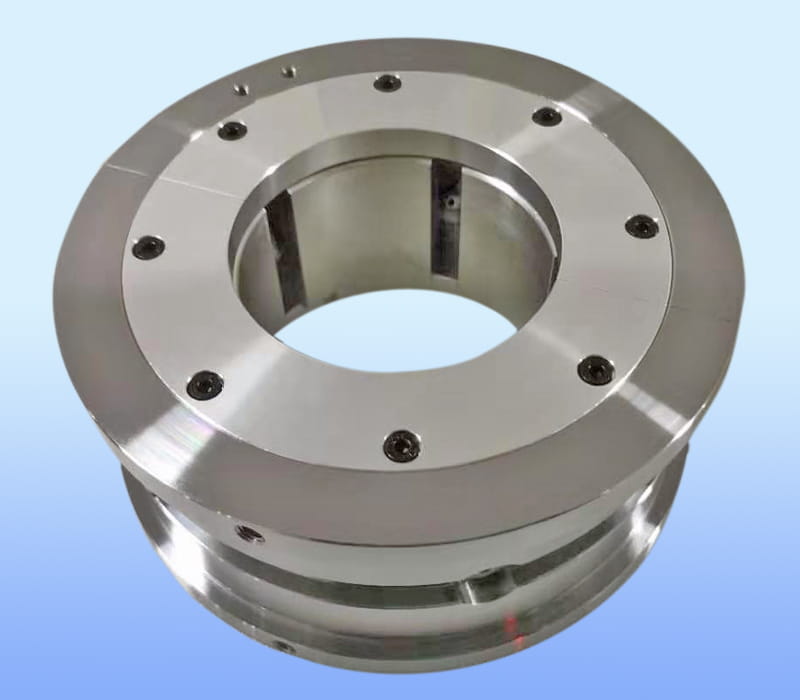
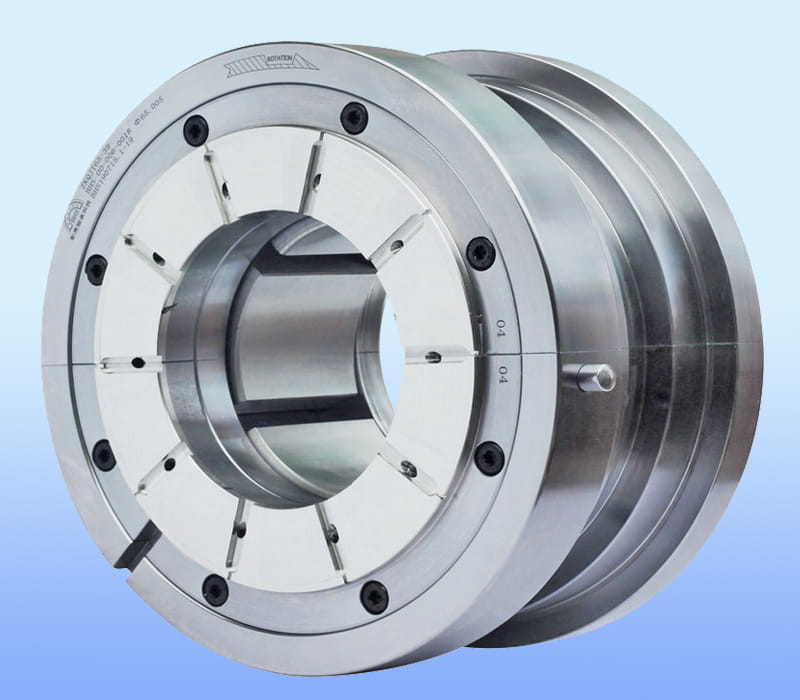
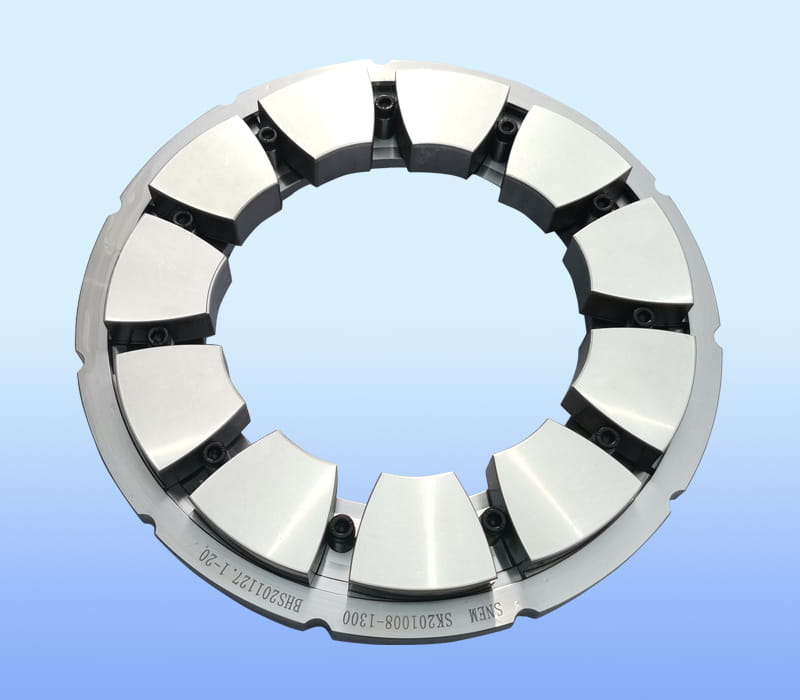
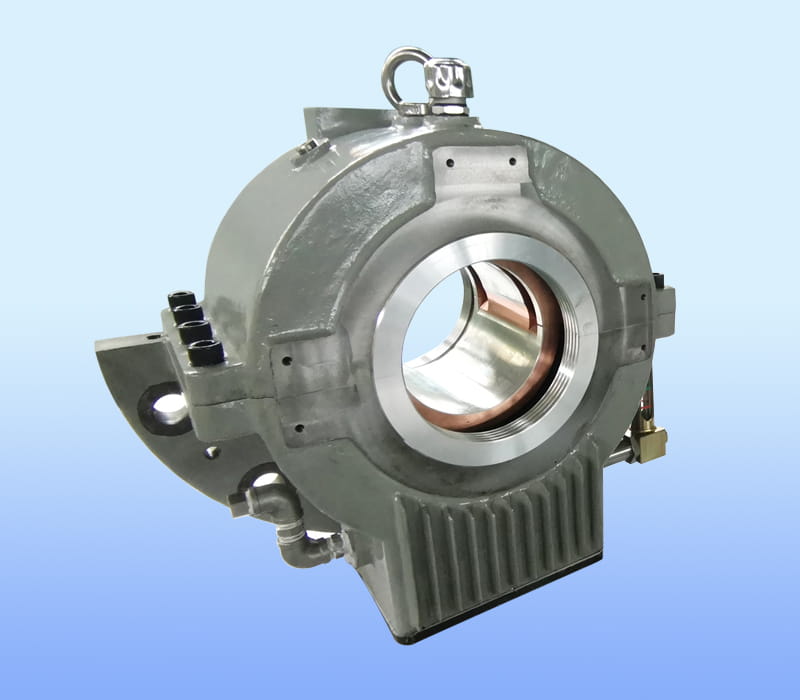
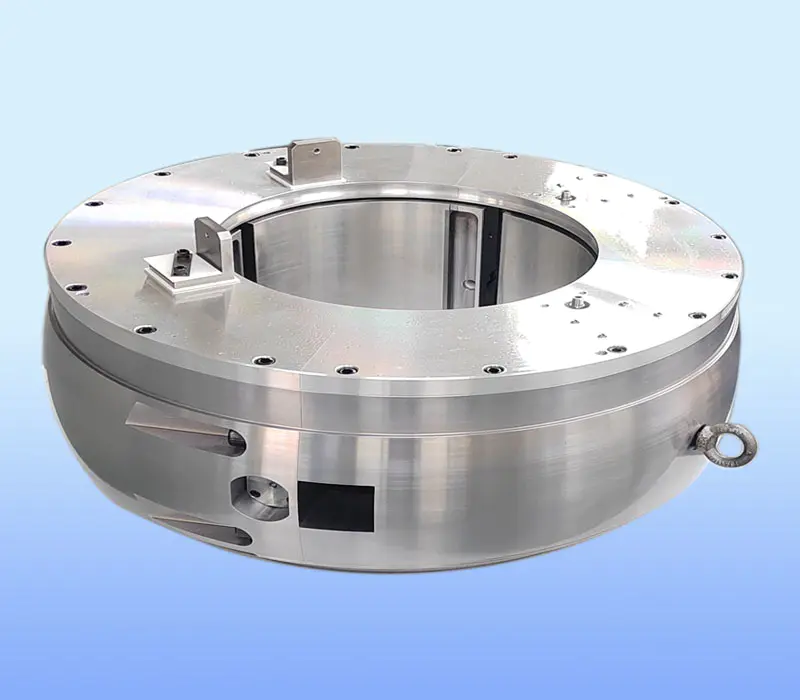
ZHEJIANG BHS JOURNAL BEARING CO.,LTD. located in FengXian District of ZheJiang, the company's brand "BHS", is a professional tilting pad thrust bearings manufacturers and Tilting pad bearings factory...

As inverter-based renewables displace synchronous generation, grid inertia and short-circuit strength decline. Synchronous condensers have moved from a niche option to a mandatory asset for reactive power compensation and inertia support. Yet every condenser is still a rotating machine, and its bearings are the single most common cause of unplanned outages.
The failure pattern is often brutal. A unit that passed factory acceptance testing can destroy a Babbitt-lined journal bearing within hours of first synchronization. Two mechanisms dominate early-life failures: lubricant degradation that collapses the hydrodynamic film, and shaft voltage that electrically erodes the bearing lining. Neither shows up in a standard vibration alarm until damage is advanced.
This matters because a bearing is not a catalog commodity. It is a tribological system defined by load, speed, oil viscosity, insulation strategy and thermal environment. Treating it as a standard part is the fastest route to a forced outage.
Typical consequence profile: bearing failure to unit trip in under 30 seconds, replacement lead time of 6 to 20 weeks, and lost reactive support during the highest-demand window.
Synchronous condensers differ from ordinary motors in rotor mass, continuous high-speed operation and the presence of a strong axial magnetic pull. These factors dictate the bearing architecture.
Almost all horizontal synchronous condensers use hydrodynamic journal bearings. The rotating shaft drags oil into a converging wedge, generating a pressure film that separates metal from metal. This design tolerates the heavy rotor weight and the radial magnetic pull that would crush a rolling element bearing.
Key parameters include journal diameter, length-to-diameter ratio, clearance, oil supply pressure and Babbitt thickness. A typical condenser journal bearing operates with a film thickness measured in tens of micrometers. Loss of that film for even a few seconds produces direct contact and rapid lining damage.
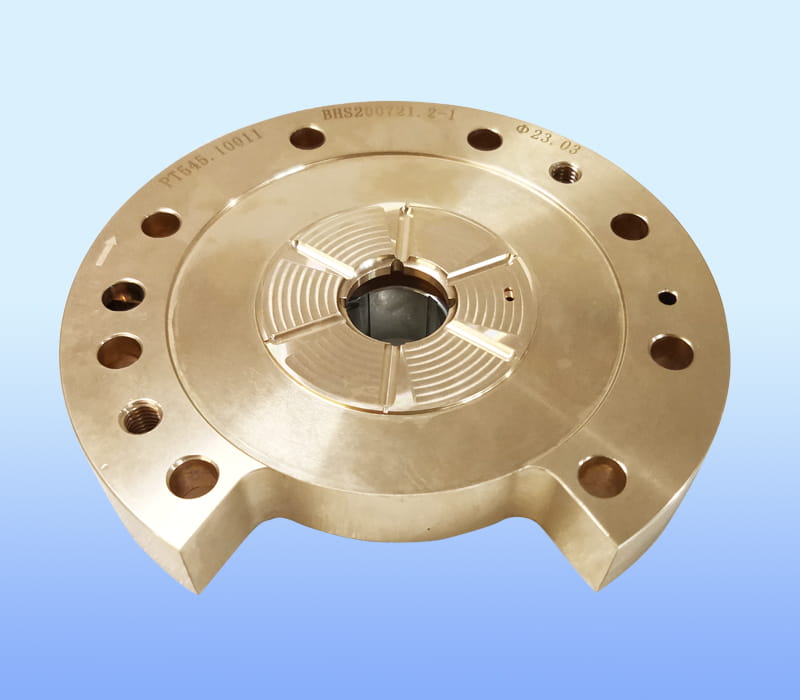
Vertical synchronous condensers rely on a thrust bearing to carry the entire rotor weight plus the downward magnetic pull. A tilting-pad thrust bearing is standard because it self-adjusts to load and speed. Thrust bearing failure is usually catastrophic and immediate.
Critical thrust bearing specifications include pad count, pad geometry, specific load in megapascals, oil flow rate and temperature rise across the pad. A common design error is under-sizing the thrust bearing for the actual magnetic pull, which is highest at full excitation.
Shaft voltage is the defining difference between condenser bearings and ordinary motor bearings. Asymmetric magnetic circuits and static excitation induce a voltage along the shaft. If that voltage discharges through the bearing, it pits the Babbitt and destroys the oil film locally.
Mitigation includes insulated bearing housings, shaft grounding brushes and ceramic-coated bearing shells. The insulation resistance of the bearing housing must be verified at commissioning and periodically thereafter.
Active magnetic bearings are under development for condenser applications because they eliminate oil and wear. However, they require continuous power, complex control and backup landing bearings. For the foreseeable future, the mainstream remains a reliable oil-film bearing with proper insulation.
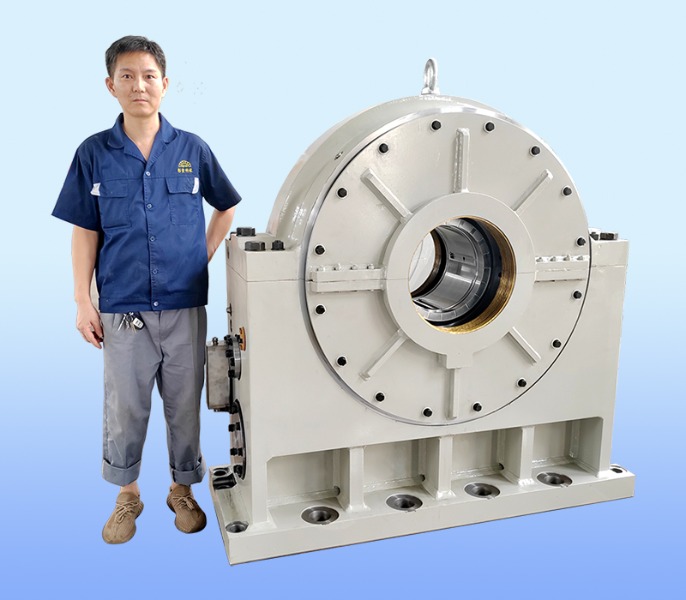
Diagnosis starts with the failure signature. Three causes account for most premature failures.
Oil oxidizes, absorbs moisture and collects particulate. Viscosity drifts, the film thins and Babbitt begins to pit. In one field case, a condenser bearing showed severe cratering after only 400 operating hours because the oil had been contaminated with water during storage. The bearing had not worn out. It had been chemically attacked.
Diagnostic indicators include oil viscosity change, acid number rise, water content above 200 ppm and the presence of copper or tin particles in oil analysis.
Electrical erosion produces a distinctive pattern: frosted, pitted or arc-marked Babbitt, often concentrated in one circumferential zone. The damage pattern can be used to back-calculate the shaft voltage severity. A bearing that shows multiple small craters is experiencing recurrent discharge. A bearing with a single large eroded area suggests a sustained shaft current.
Coupling misalignment, soft foot and thermal growth mismatch redistribute load across the bearing surface. One edge of the pad carries far more load than designed. The oil film collapses locally, temperature rises and Babbitt fatigue cracks appear. Vibration spectra show elevated synchronous harmonics and sometimes half-frequency whirl.
| Failure Mode | Primary Signature | Typical Time to Failure |
|---|---|---|
| Lubricant degradation | Oil analysis, temperature rise | Days to weeks |
| Shaft voltage erosion | Pitted Babbitt, shaft voltage reading | Hours to days |
| Misalignment | Vibration harmonics, pad temperature spread | Weeks to months |
This is where engineering meets procurement. The goal is not the lowest purchase price. It is the lowest lifecycle cost.
Babbitt-lined bearings remain the default for condenser journal and thrust applications. They embed particles, conform to shaft geometry and tolerate minor misalignment. Their weakness is low fatigue strength at high temperature.
Alternative materials include copper-lead alloys and polymer-lined bearings. Copper-lead offers higher fatigue resistance but requires harder shaft journals and better filtration. Polymer linings resist electrical erosion but have lower load capacity. Selection depends on load, speed and whether shaft voltage is fully controlled.
Global supply sources include established bearing manufacturing clusters in China, India and Europe. When evaluating synchronous condenser bearing suppliers, confirm whether they can produce from drawings or require a sample. Custom production is common for condenser bearings because standardized sizes rarely match.
| Bearing Type | Standard Lead Time | Custom Lead Time | MOQ Reference |
|---|---|---|---|
| Babbitt journal bearing | 4 to 6 weeks | 8 to 12 weeks | 1 to 2 pieces |
| Tilting-pad thrust bearing | 6 to 8 weeks | 10 to 16 weeks | 1 piece |
| Insulated bearing housing | 8 to 10 weeks | 12 to 20 weeks | 1 piece |
A bearing that costs 30 percent less but fails two years early can cost ten times its price in lost reactive support and emergency logistics. Evaluate suppliers on documentation, material traceability, dimensional inspection reports and past condenser experience.
Bearing life is determined at commissioning and preserved by disciplined operation.
Monitor bearing metal temperature, oil outlet temperature and vibration velocity. A rise of 5 degrees Celsius above baseline at constant load warrants investigation. A sudden increase in synchronous vibration indicates film instability or misalignment.
Hydrogen-cooled, air-cooled and water-cooled condensers impose slightly different bearing requirements. Hydrogen-cooled units demand strict oil sealing to prevent gas ingress. Water-cooled units may face higher moisture exposure. Air-cooled units are more tolerant but still require correct oil viscosity for ambient conditions. Stock at least one complete journal bearing set and one thrust bearing pad set per unit.
The three leading causes are lubricant degradation that collapses the hydrodynamic film, shaft voltage that electrically erodes the Babbitt lining, and misalignment that overloads one region of the bearing. Less common causes include foreign particle contamination and inadequate oil supply.
There is no fixed interval. Replacement is condition-based. Inspect bearings at every major outage. Replace when Babbitt shows pitting, cracking, erosion or when clearance exceeds the manufacturer limit. With good oil maintenance and shaft voltage control, bearings can last ten years or more.
Custom journal bearings typically require 8 to 12 weeks from drawing approval. Custom thrust bearings require 10 to 16 weeks. Insulated housings can take 12 to 20 weeks. Standard sizes ship in 4 to 8 weeks. Always confirm lead time in writing before placing a purchase order.
Measure shaft voltage directly with a brush and oscilloscope. Inspect the Babbitt for a frosted or pitted appearance concentrated in one zone. If the bearing housing insulation resistance is low, shaft current is likely flowing through the bearing.
No. Condenser bearings are designed for higher rotor mass, continuous high-speed operation, strong axial magnetic pull and shaft voltage insulation. A standard motor bearing will fail prematurely in this service.
The cost of choosing the wrong synchronous condenser bearing is not the bearing price. It is the forced outage, the emergency air freight, the lost reactive support and the risk to grid stability during the exact moment the system needs it most.
If you are sourcing bearings for a hydrogen-cooled, air-cooled or water-cooled condenser, request a technical data sheet and quotation against your specific machine drawing. Confirm material grade, insulation class, dimensional report and lead time before you commit.

ZHEJIANG BHS JOURNAL BEARING CO.,LTD. located in FengXian District of ZheJiang, the company's brand "BHS", is a professional tilting pad thrust bearings manufacturers and Tilting pad bearings factory...
Copyright © 2017 ZHEJIANG BHS JOURNAL BEARING CO.,LTD. All Right Reserved. China Tilting Pad Journal Bearings Manufacturers
