
 Tel:+86-575 -87957662
 Email:
 English
 中文简体
中文简体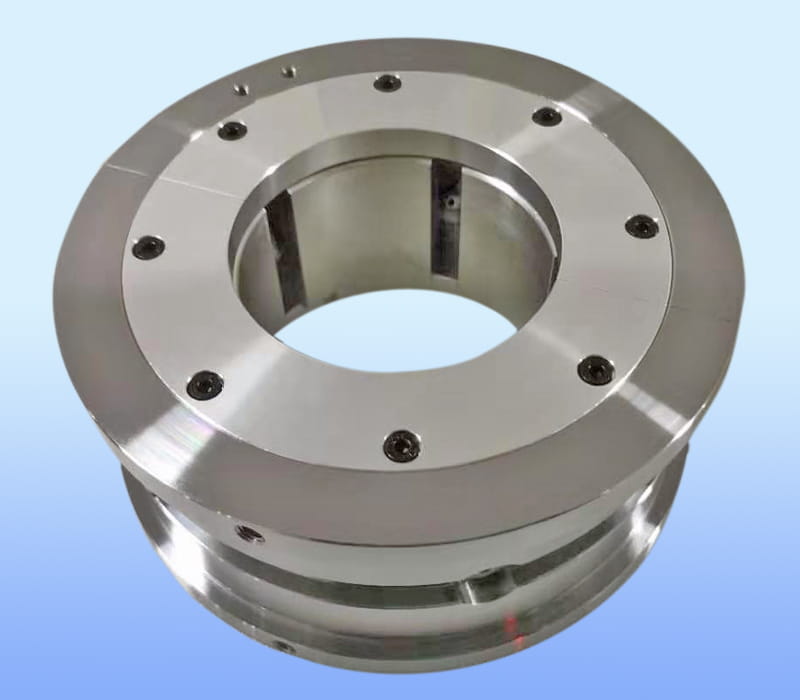
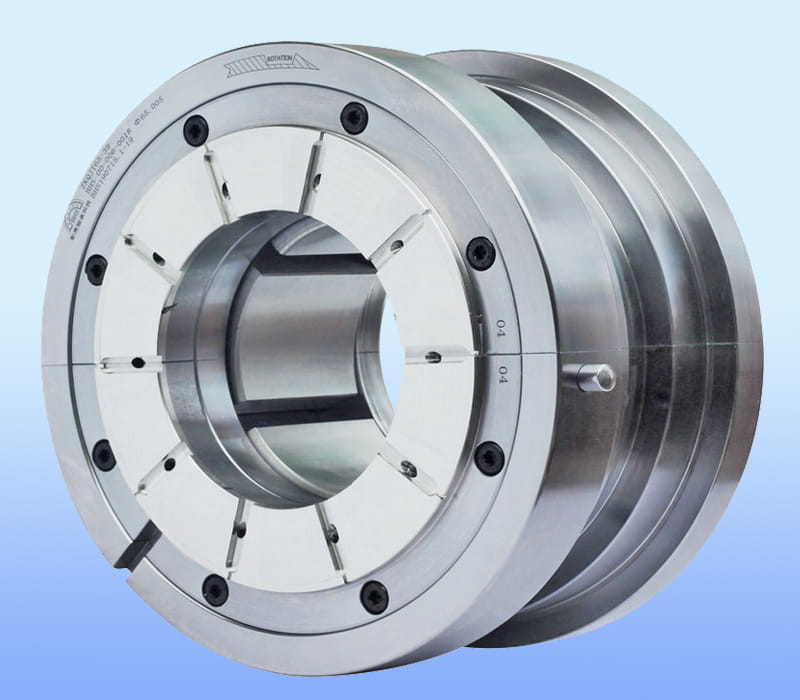
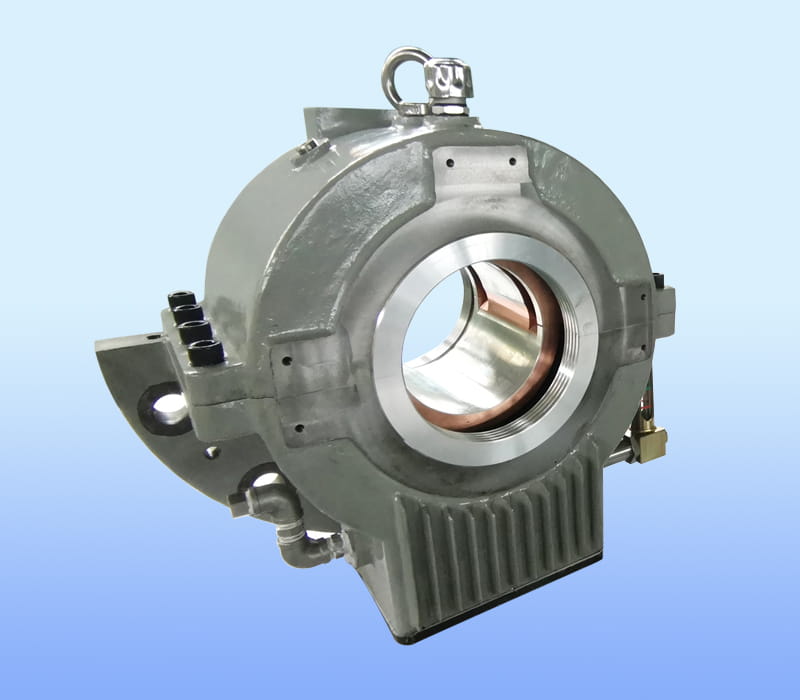
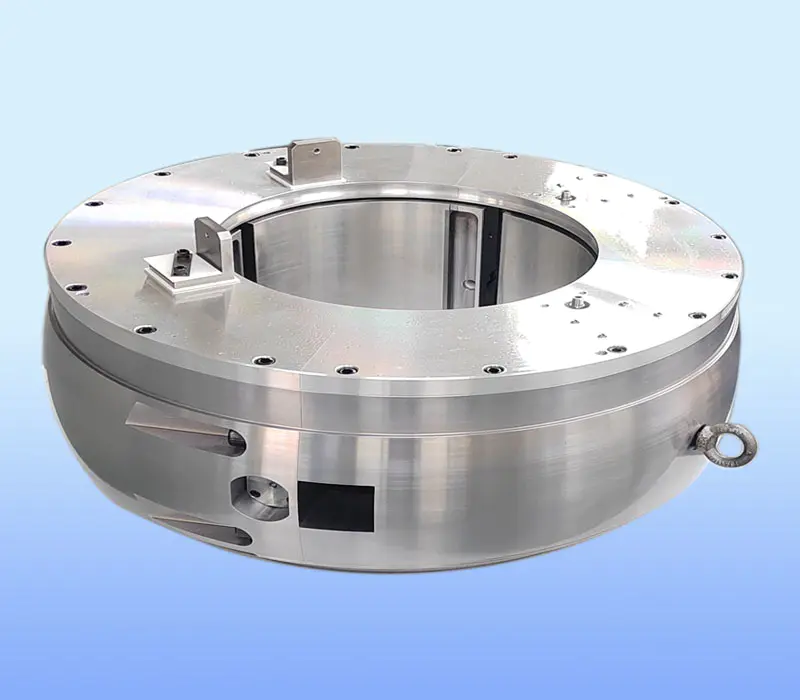
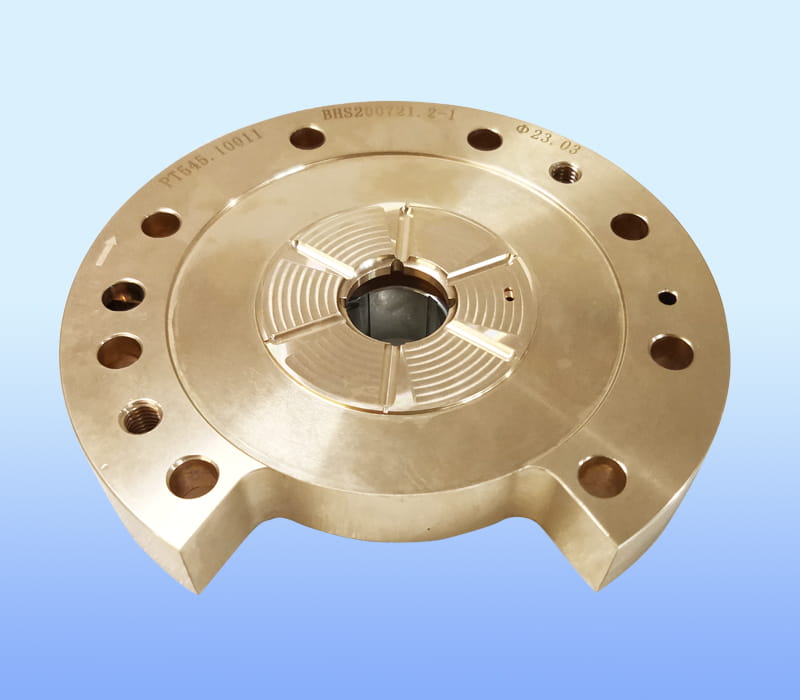
ZHEJIANG BHS JOURNAL BEARING CO.,LTD. located in FengXian District of ZheJiang, the company's brand "BHS", is a professional tilting pad thrust bearings manufacturers and Tilting pad bearings factory...

Vibration is one of the most persistent challenges faced in rotating machinery, and gearboxes are particularly sensitive to it due to the high loads, variable speeds, and torque fluctuations they experience. A tilting pad journal bearing is engineered specifically to address this issue by allowing individual pads to pivot and adjust to shaft movement in real time. Unlike fixed-geometry bearings, this self-adjusting mechanism helps maintain a stable oil film even under changing operating conditions.
In industrial applications, unstable oil films often lead to a phenomenon known as oil whirl or oil whip, which can cause severe subsynchronous vibration. The pivoting pad design interrupts the conditions that create this instability, making it a preferred choice for high-speed and heavily loaded gearbox systems.
To understand how does a tilting pad journal bearing work, it helps to break down the core components and how they interact under load.
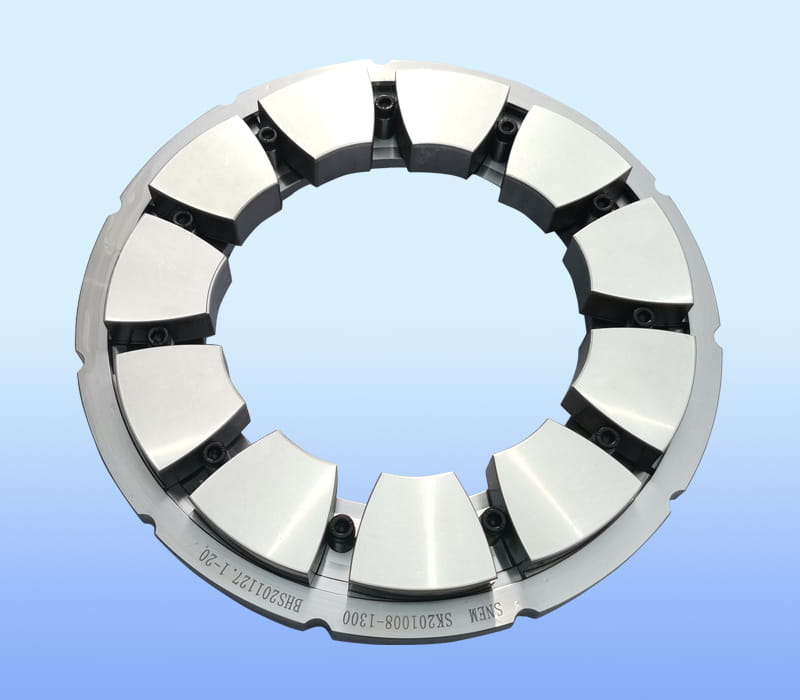
Each pad within the bearing housing is mounted on a pivot point, allowing it to tilt in response to shaft displacement. This individual movement creates a converging oil wedge under each pad, which generates hydrodynamic pressure that supports the shaft while damping vibrational energy. Because the pads respond independently, the bearing can adapt to misalignment, thermal expansion, and load variation without transmitting excessive vibration to the gearbox housing.
Gearboxes used in turbines, compressors, marine propulsion, and heavy industrial drives often operate at speeds where fixed bearings become prone to instability. The following factors explain why engineers favor this bearing type for demanding gearbox environments.
A commonly cited operational benchmark in rotating equipment engineering is that gearboxes operating above 3,000 RPM with fixed bearings show a significantly higher tendency toward subsynchronous vibration compared to those fitted with pivoting pad designs. This makes the gearbox tilting pad bearing a practical solution for stability-critical applications.
The advantages of this bearing type extend beyond vibration control alone. The table below summarizes the primary performance benefits compared to conventional fixed-pad journal bearings.
| Performance Factor | Fixed Journal Bearing | Tilting Pad Bearing |
|---|---|---|
| Oil Whirl Resistance | Low | High |
| Load Adaptability | Moderate | High |
| Thermal Distortion Tolerance | Limited | High |
| Startup Wear Risk | Higher | Lower |
| Suitability for High-Speed Shafts | Moderate | Excellent |
This adaptability makes the design especially suitable for a gearbox bearing operating under variable torque, such as those found in wind turbine gearboxes, marine reduction gears, and process compressor drive trains.
When integrating a tilting pad bearing for industrial gearbox systems, several operational factors must be reviewed to ensure the bearing performs as intended.
Engineers should evaluate both the steady-state and transient load conditions the gearbox will experience. Variable-speed drive systems, in particular, benefit from the adaptive nature of pivoting pads, since fixed bearings may struggle to maintain stability across a wide operating range.
Since the bearing relies on a continuous hydrodynamic oil film, the lubrication system must deliver consistent oil flow and pressure. Any interruption in supply can compromise the pad wedge formation and reduce vibration damping effectiveness.
Proper housing clearance and shaft alignment are essential. Even though the bearing is designed to tolerate minor misalignment, excessive deviation beyond design limits can still lead to uneven pad loading over time.
Selecting the right configuration involves more than matching bore size. The following checklist outlines the core selection criteria.
A well-matched bearing configuration is not defined by size alone, but by how closely its damping and load response align with the actual dynamic behavior of the gearbox shaft train.
Field monitoring data from rotating equipment reliability studies has shown that gearboxes retrofitted with pivoting pad bearings often experience a measurable drop in vibration amplitude at critical speed ranges. This is largely attributed to the increased damping coefficient provided by the multiple oil films acting simultaneously around the shaft.
| Operating Condition | Typical Vibration Behavior |
|---|---|
| Low Speed Startup | Gradual oil film buildup, minimal metal contact |
| Rated Operating Speed | Stable oil wedge, low amplitude vibration |
| Load Fluctuation | Pads adjust individually, maintaining damping |
| Near Critical Speed | Reduced resonance amplification compared to fixed bearings |
A tilting pad bearing is a type of journal bearing consisting of several individual pads that pivot independently around the shaft, each forming its own hydrodynamic oil film to support and stabilize rotation.
Each pad tilts slightly based on shaft position and load, creating a converging oil wedge that generates pressure to support the shaft while damping vibration caused by speed or load variation.
They are used because they resist oil whirl and oil whip instability, adapt well to changing loads, and provide superior damping compared to fixed journal bearings, especially at high operating speeds.
Key advantages include improved vibration damping, better tolerance to misalignment, reduced startup wear, and stable performance across a broad range of speeds and loads.
Selection should be based on operating speed, load per unit area, number of pads needed, lubrication requirements, pivot type, and housing thermal compatibility to match the bearing to actual shaft dynamics.

ZHEJIANG BHS JOURNAL BEARING CO.,LTD. located in FengXian District of ZheJiang, the company's brand "BHS", is a professional tilting pad thrust bearings manufacturers and Tilting pad bearings factory...
Copyright © 2017 ZHEJIANG BHS JOURNAL BEARING CO.,LTD. All Right Reserved. China Tilting Pad Journal Bearings Manufacturers
