
 Tel:+86-575 -87957662
 Email:
 English
 中文简体
中文简体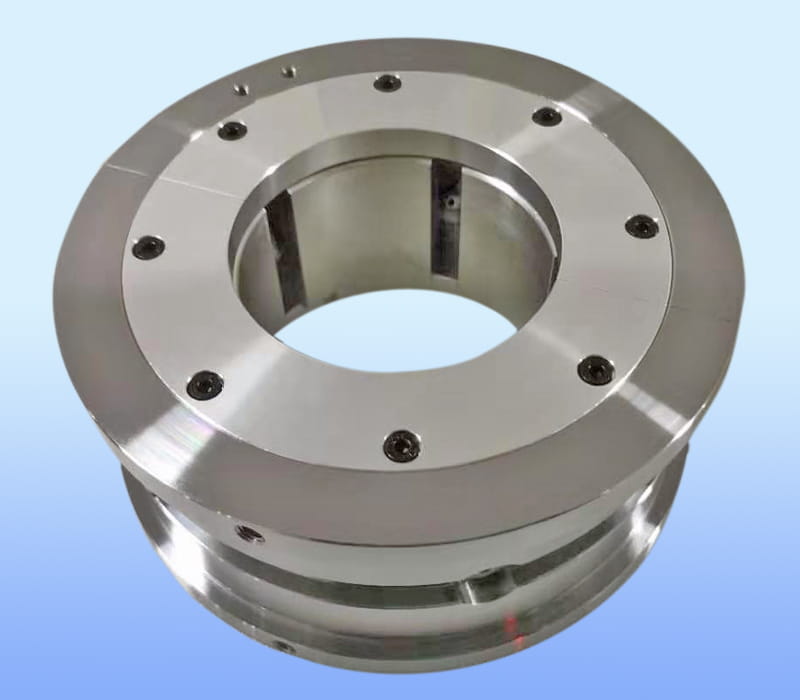
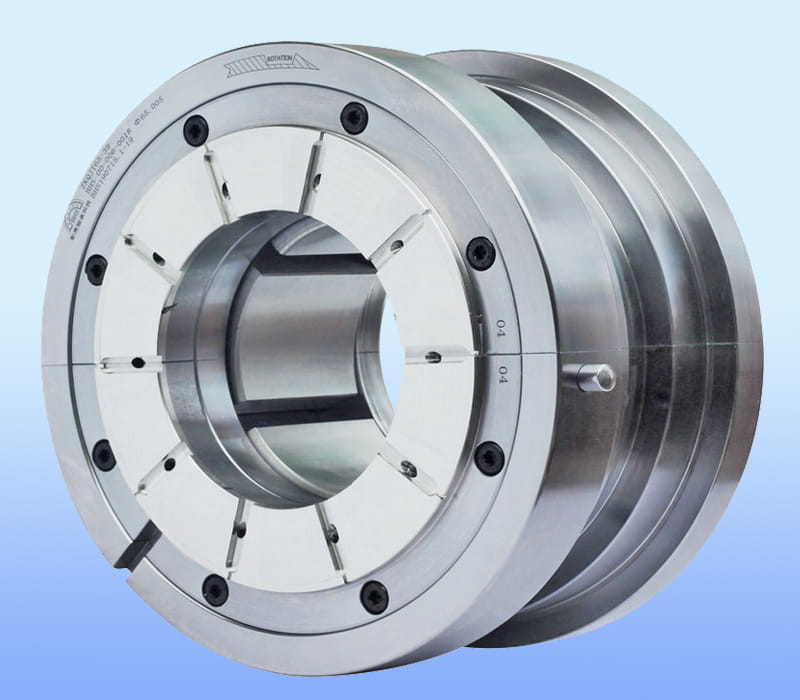
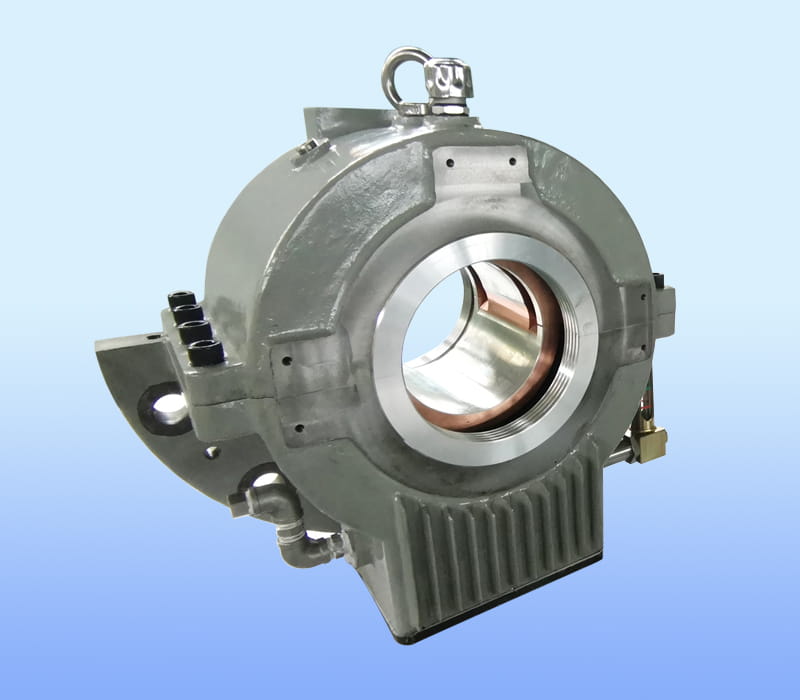
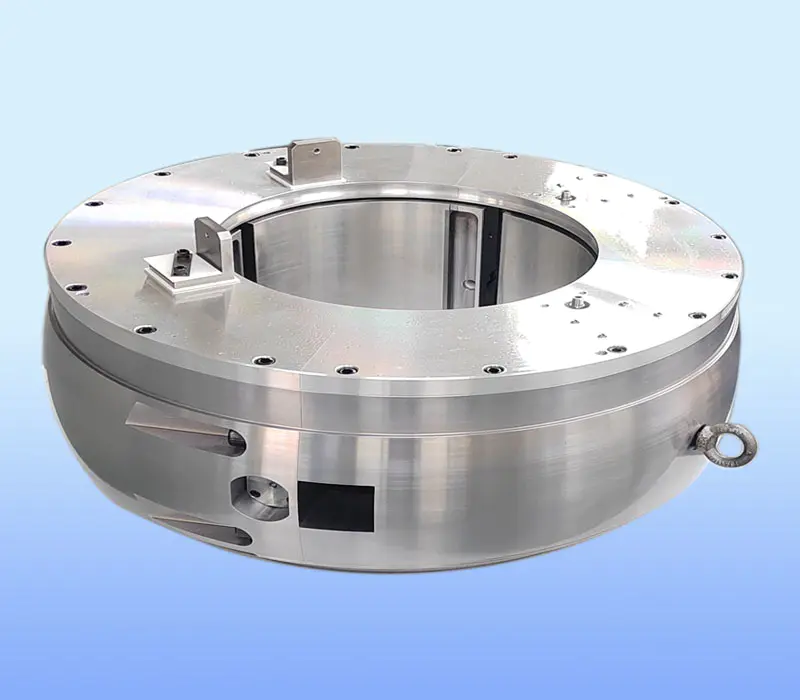
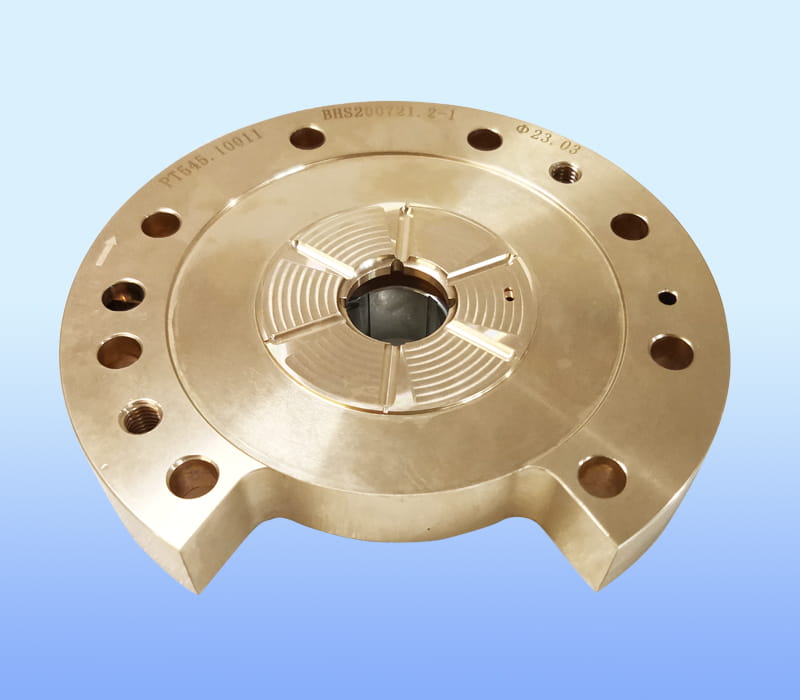
ZHEJIANG BHS JOURNAL BEARING CO.,LTD. located in FengXian District of ZheJiang, the company's brand "BHS", is a professional tilting pad thrust bearings manufacturers and Tilting pad bearings factory...

Selecting the right bearing technology is fundamental to machinery reliability, efficiency, and longevity. Two dominant technologies—fluid film bearings and tilting pad bearings—have shaped industrial equipment design for decades. While both rely on hydrodynamic principles, their performance characteristics, applications, and economic considerations differ significantly.
This comparison explores the technical foundations, operational advantages, and practical applications of each technology to help engineers and procurement professionals make informed decisions.
Fluid film bearings operate on the principle of hydrodynamic lubrication, where a pressurized fluid—typically oil—creates a load-carrying film between moving surfaces. This film eliminates metal-to-metal contact, significantly reducing wear and friction. The bearing surface generates its own lubricant pressure through the wedge effect created by the bearing geometry and rotational motion.
Common fluid film bearing types include plain journal bearings, sleeve bearings, and cylindrical roller bearings. These designs excel in applications demanding high-speed operation with minimal maintenance.
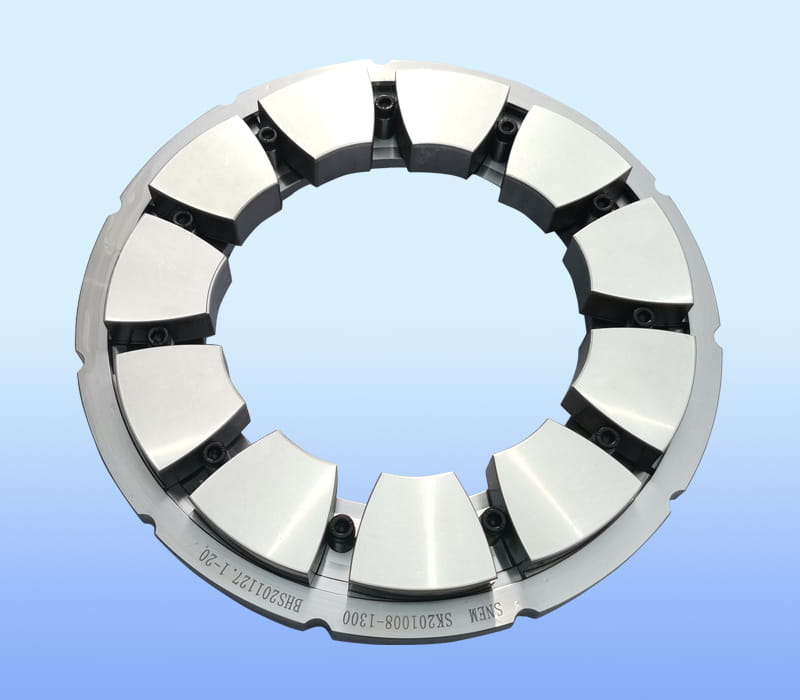
Tilting pad bearings represent an evolution in hydrodynamic bearing design. Unlike fixed-geometry bearings, tilting pad bearings feature multiple wedge-shaped pads that can tilt independently around pivot points. This design allows the pads to conform dynamically to operating conditions, optimizing film thickness and load distribution across the bearing.
The self-adjusting nature of tilting pads creates superior stability and film formation, particularly under varying loads and speeds. This technology has become essential in critical applications such as compressors, turbines, and large pumps.
Tilting pad bearings demonstrate superior load capacity per unit bearing area compared to traditional fluid film designs. The independent pad adjustment allows optimal pressure distribution, enabling bearings to sustain higher radial and thrust loads without excessive deflection. In machinery operating under variable load conditions, this translates to improved operational stability and reduced vibration.
Fluid film bearings, while reliable at steady-state loads, exhibit reduced stability margins when load magnitudes fluctuate. The fixed geometry cannot adapt to changing pressure requirements, potentially leading to film degradation or bearing instability at critical speeds.
Thermal control is essential for bearing longevity. Tilting pad bearings generate less frictional heat due to their optimized film geometry and lower shear rates within the lubricant. Data from equipment monitoring suggests that tilting pad journal bearings operate 10-15 degrees Celsius cooler than equivalent fluid film designs under comparable conditions.
Superior temperature characteristics reduce thermal stress on the bearing material and surrounding structures, extending service intervals and minimizing cooling system demands.
The hydrodynamic film in tilting pad bearings remains more consistent across varying operating conditions. This stability in film thickness translates to:
Tilting pad bearings exhibit superior damping properties due to the fluid film dynamics in the gap between pad surfaces. This damping effect is particularly valuable in turbomachinery, where rotor instability can cause catastrophic failure. The bearing essentially absorbs vibration energy through the oil film, preventing resonant conditions and improving rotor dynamics.
High-speed rotating equipment—including air compressors, centrifugal compressors, and steam turbines—demands bearing solutions that combine load capacity with exceptional stability. Tilting pad journal bearings have become the industry standard for these applications because they:
Fluid film bearings remain viable in moderate-speed compressor applications below 8,000 rpm where load stability requirements are less stringent.
Electric generators and turbine-generator sets represent critical infrastructure. These machines require bearing solutions offering:
Tilting pad thrust bearings and journal bearings dominate this sector, with most installations exceeding 10 MW capacity utilizing this technology exclusively.
Centrifugal pumps operating at 1,800 to 3,600 rpm represent the largest installed base of industrial rotating equipment. Traditional fluid film bearings remain cost-effective for these moderate-speed applications where load variations are limited. However, high-capacity pumps or variable-speed driven pumps benefit from tilting pad technology due to improved load adaptability.
Subsurface pumps and downhole turbines operate under extreme pressure and temperature conditions. The self-adjusting capability of tilting pad bearings makes them ideal for these environments, where operating parameters fluctuate unpredictably during production cycles.
| Characteristic | Fluid Film Bearings | Tilting Pad Bearings |
|---|---|---|
| Operating Speed Range | Up to 8,000 rpm (typical) | 15,000+ rpm capable |
| Load Capacity (per unit size) | Moderate | High |
| Temperature Rise | Higher (reference baseline) | 10-15 degrees cooler |
| Stability at Variable Loads | Limited adaptation | Dynamic optimization |
| Damping Coefficient | Moderate | High |
| Maintenance Complexity | Simple oil changes | Requires specialized knowledge |
| Capital Cost | Lower initial investment | Higher initial investment |
| Operating Cost | Higher energy consumption | Lower friction, reduced energy use |
| Bearing Life (typical) | 5-8 years | 8-12 years |
Tilting pad bearings command a 30-40% cost premium compared to equivalent fluid film designs. This reflects the engineering complexity, precision manufacturing requirements, and smaller production volumes. For budget-constrained projects operating standard equipment at moderate speeds, traditional fluid film bearings remain economically justified.
The economic picture shifts dramatically when considering total cost of ownership. Tilting pad bearings deliver tangible savings through:
Over a 10-year equipment lifecycle, these operating cost advantages frequently offset the higher initial purchase price by 40-60%, even before accounting for production losses from equipment downtime.
In applications where bearing failure causes catastrophic losses—such as production shutdowns, safety hazards, or environmental damage—the economic calculation heavily favors tilting pad technology. The reliability margin and inherent stability justify the investment regardless of direct cost comparison.
Operating speed represents the primary technical filter. Equipment routinely operating above 8,000 rpm should specify tilting pad technology. Below 3,000 rpm, traditional fluid film designs remain adequate for most applications. Between 3,000 and 8,000 rpm, the decision depends on load stability requirements and criticality factors.
Examine the load profile over the equipment lifecycle. Static, constant loads favor fluid film bearings due to their simplicity. Variable, shock, or cyclical loads demand the adaptability of tilting pad design. Equipment experiencing frequent starts, stops, or load transients inherently benefits from tilting pad technology.
Quantify the financial impact of equipment downtime. High-consequence operations—such as continuous process plants, critical utility infrastructure, or revenue-generating equipment—justify tilting pad bearing investment. Lower-consequence applications can operate with fluid film bearings if maintenance programs ensure adequate lubrication.
Equipment operating in ambient temperatures exceeding 40 degrees Celsius or applications with limited cooling capacity benefit from the lower heat generation of tilting pad bearings. Ambient cold conditions favor fluid film designs due to their superior viscosity performance at startup.
Technical staff expertise influences selection decisions. Tilting pad bearings require knowledgeable maintenance personnel capable of diagnosing complex issues and performing precision assembly. Organizations with limited bearing expertise should favor simpler fluid film designs unless external support agreements exist.
Recent developments in bearing pad materials enable higher load capacity and extended operating temperatures. Advanced polymers and composite materials reduce thermal expansion and improve dimensional stability, expanding the operating envelope for tilting pad designs.
Modern bearing systems integrate sophisticated oil conditioning, filtration, and monitoring capabilities. These systems optimize lubrication delivery, extend oil change intervals, and provide early warning of deteriorating bearing condition through temperature and vibration analytics.
Emerging active bearing technologies using magnetic levitation and hybrid designs combine elements of both traditional technologies. These systems offer exceptional stability and zero wear operation but remain expensive and limited to specialized applications requiring extreme performance.
Sensor integration and data analytics now enable condition-based maintenance of bearing systems. Organizations can optimize replacement intervals, predict failures, and perform maintenance during planned shutdowns rather than emergency repairs. This capability enhances the value proposition of high-reliability bearing systems.
Bearing installation quality directly impacts performance and service life. Critical steps include:
The lubrication system is integral to bearing performance. Commission the system by:
Both bearing technologies benefit from controlled run-in at partial load before reaching design operating conditions. This procedure allows bearing surfaces to stabilize, oil film to establish optimal characteristics, and mechanical components to settle. Typical run-in periods last 2-4 hours at 50-75% design speed.
Effective bearing maintenance requires scheduled activities aligned with equipment operating hours:
Modern diagnostic tools enable condition-based maintenance decisions. Monitor for:
Plan bearing replacement when equipment reaches 80% of expected service life, oil analysis shows accumulating wear metals, or condition monitoring indicates degrading performance. Planned replacement during scheduled maintenance prevents catastrophic failure and minimizes production disruption.
High bearing temperatures indicate inadequate film formation or excessive friction. Common causes include insufficient oil flow, contaminated oil reducing film strength, incorrect bearing clearances, or misalignment. Verify oil delivery pressure and flow rate first, then inspect for contamination. If thermal issues persist, stop equipment and investigate bearing clearance and shaft runout.
Bearing-related vibration typically manifests as low-frequency rumbling or squealing. This indicates potential film breakdown, bearing looseness, or rotor imbalance. Increase oil viscosity slightly if vibration correlates with temperature increase. If accompanied by noise, investigate bearing mounting bolts for looseness and verify shaft runout. Consult bearing tilting pad bearing technical data if issues appear pad-related.
Leaking bearing oil creates environmental hazards and indicates seal deterioration or pressure imbalance. Verify oil supply pressure remains within specification. Worn seals require replacement; prolonged leakage suggests bearing damage has occurred. Implement drip collection systems during interim operation before planned maintenance.
Visible wear on bearing surfaces indicates film breakdown occurred. This results from inadequate lubrication, contamination, or mechanical damage during installation. Affected bearings require replacement. Implement enhanced oil filtration and inspect installation procedures to prevent recurrence.
Wind turbines and hydroelectric generators represent the fastest-growing application segment for tilting pad bearings. These applications demand exceptional reliability over extended operating periods with minimal maintenance access. Modern wind turbines frequently specify tilting pad bearings exclusively, driving innovation in bearing design for offshore and remote locations.
Transportation electrification creates new bearing requirements. Electric motor compressors and turbochargers operate at extreme speeds (20,000+ rpm) with instantaneous load variations. Next-generation tilting pad designs are being developed specifically for these demanding environments.
Chemical and petrochemical industries increasingly pursue process intensification through higher temperatures, pressures, and speeds. This trend drives demand for advanced tilting pad bearing systems capable of operating under more severe conditions than conventional designs.
Partial retrofit is possible when bearing housings share dimensional compatibility. However, complete retrofitting typically requires new housing, alignment verification, and oil system modifications. The engineering effort usually justifies this approach only for critical equipment where performance improvement provides substantial benefit. Most retrofits involve complete bearing cartridge replacement rather than conversion of existing components.
Fluid film bearings typically operate with ISO 22 to ISO 46 weight oils, selected based on operating temperature and speed. Tilting pad bearings often require lower viscosity oils (ISO 15 to ISO 32) due to their improved film formation characteristics. Always consult bearing technical specifications for oil grade recommendations, as incorrect viscosity significantly impacts performance and bearing life.
Replace bearings when reaching 80% of rated service life, when oil analysis shows significant wear metal accumulation, when temperature increases persistently despite oil changes, or when vibration monitoring indicates degradation. Most equipment manufacturer maintenance schedules provide specific intervals. Don't wait for catastrophic failure; planned replacement prevents production losses and secondary damage.
Yes, tilting pad bearings are extensively used in marine propulsion systems and offshore energy equipment. However, marine environments require enhanced corrosion protection, specialized seals for saltwater exposure, and oil systems capable of operating in motion and changing orientations. Consult bearing specifications for marine-grade designs developed specifically for these demanding environments.
Under comparable operating conditions, tilting pad bearings typically achieve 30-50% longer service life than fluid film designs. This advantage increases in variable load applications and high-speed environments. The specific advantage depends on application severity, maintenance quality, and operating profile. Conservative estimates suggest 8-12 years for tilting pad designs versus 5-8 years for traditional fluid film bearings.
Most modern bearings perform excellently with quality synthetic oils, which offer superior thermal stability and extended oil change intervals. Synthetic oils are particularly beneficial in tilting pad applications where lower viscosity oils are required. However, verify bearing and seal material compatibility before switching to synthetics, as some older designs use elastomers sensitive to certain synthetic formulations.
Tilting pad bearing maintenance requires trained technicians capable of oil analysis interpretation, vibration measurement, and precision assembly. Staff should understand hydrodynamic principles and bearing design characteristics. This expertise level is substantially higher than fluid film bearing maintenance. Organizations lacking this capability should establish service agreements with specialized bearing maintenance providers.
Cold climates affect oil viscosity and startup torque requirements, favoring fluid film designs. Hot environments benefit from tilting pad bearings' superior heat management. Corrosive atmospheres require enhanced protective coatings for both types. Contaminated environments demand superior filtration regardless of bearing type. Assess your specific environmental conditions during bearing selection to optimize performance.

ZHEJIANG BHS JOURNAL BEARING CO.,LTD. located in FengXian District of ZheJiang, the company's brand "BHS", is a professional tilting pad thrust bearings manufacturers and Tilting pad bearings factory...
Copyright © 2017 ZHEJIANG BHS JOURNAL BEARING CO.,LTD. All Right Reserved. China Tilting Pad Journal Bearings Manufacturers
