
 Tel:+86-575 -87957662
 Email:

 English
 中文简体
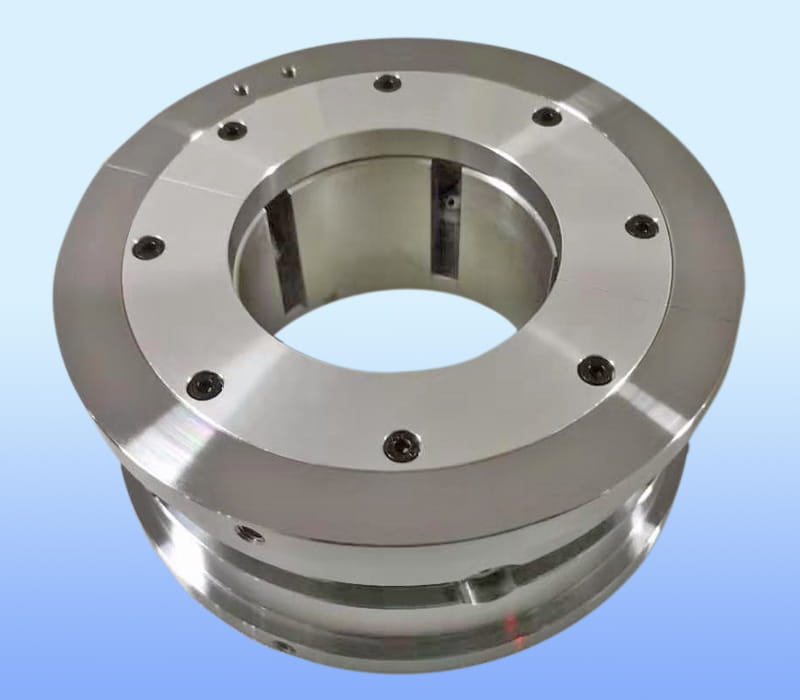
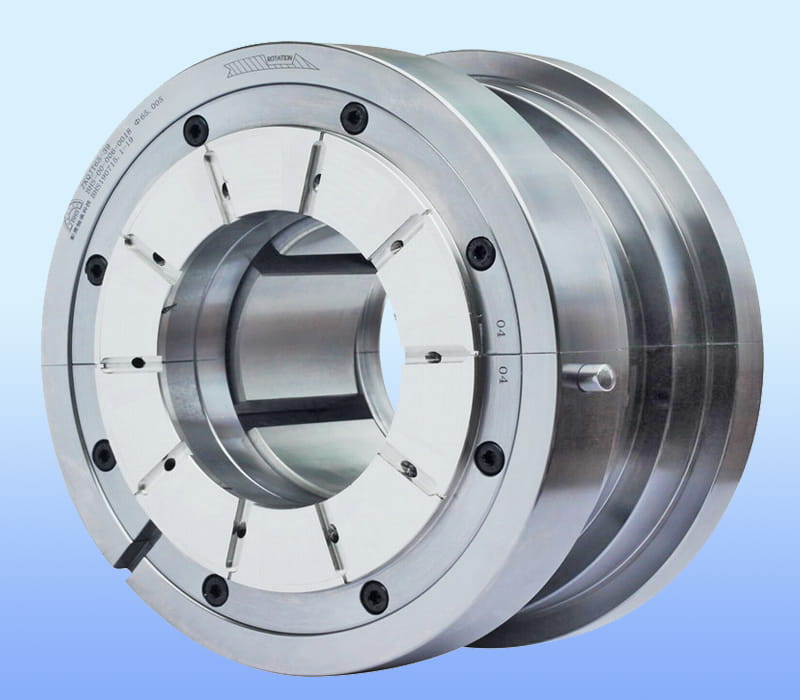
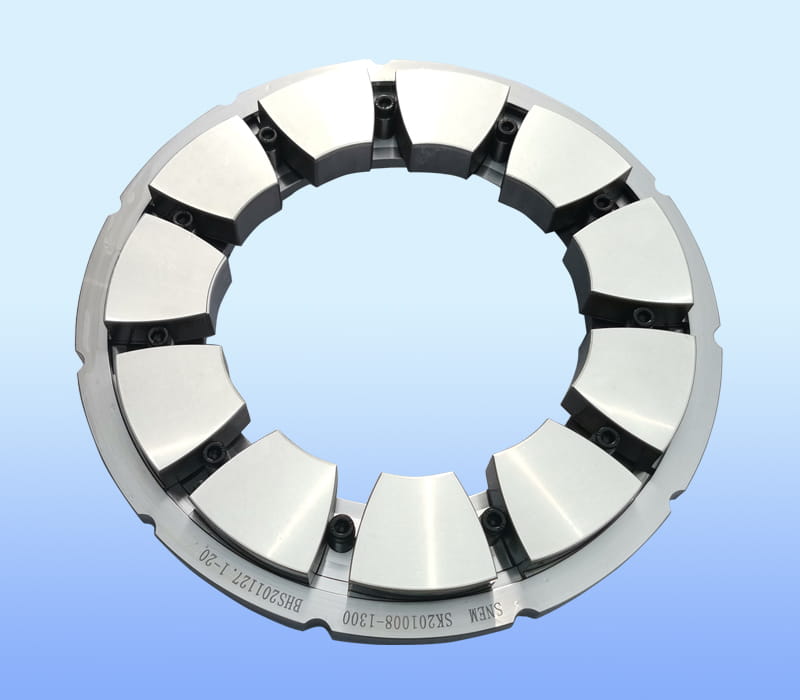
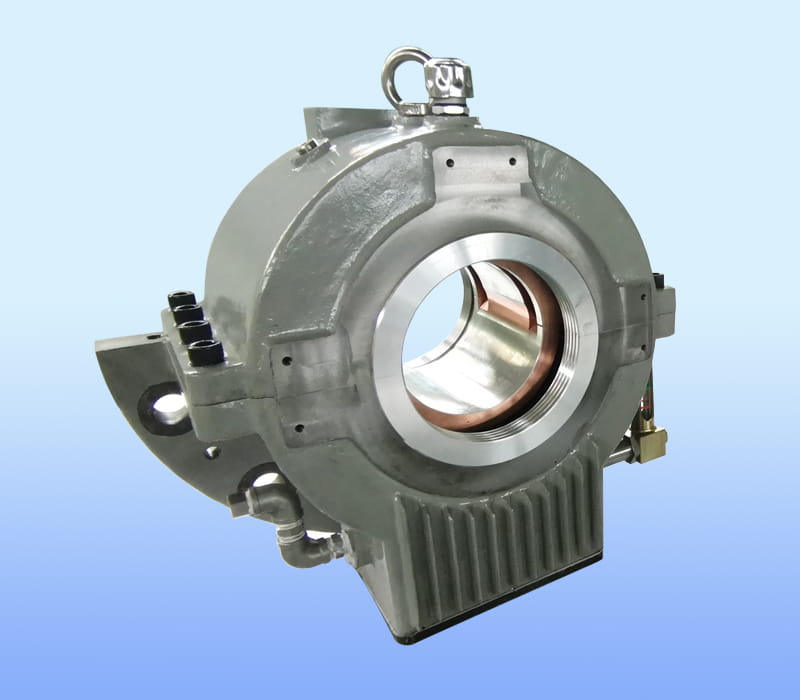
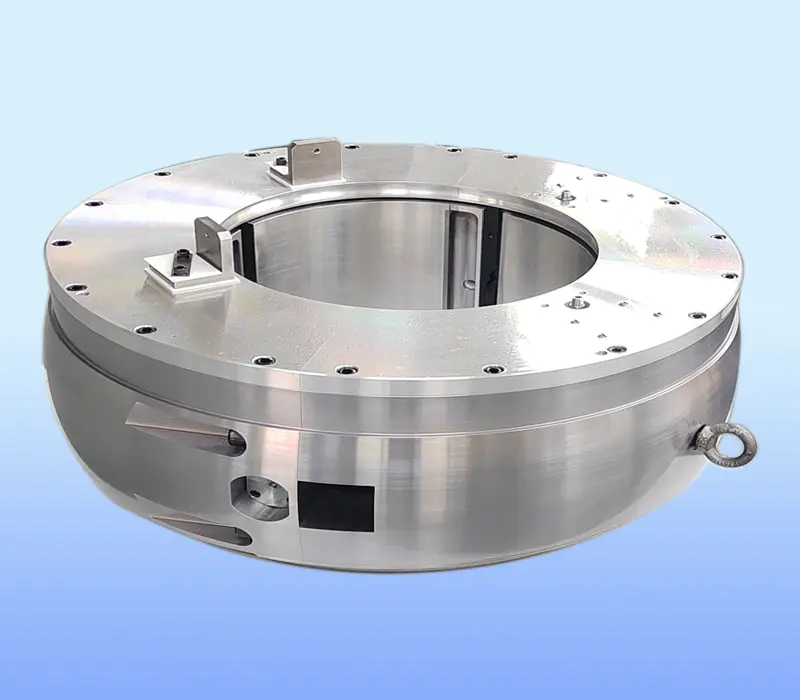
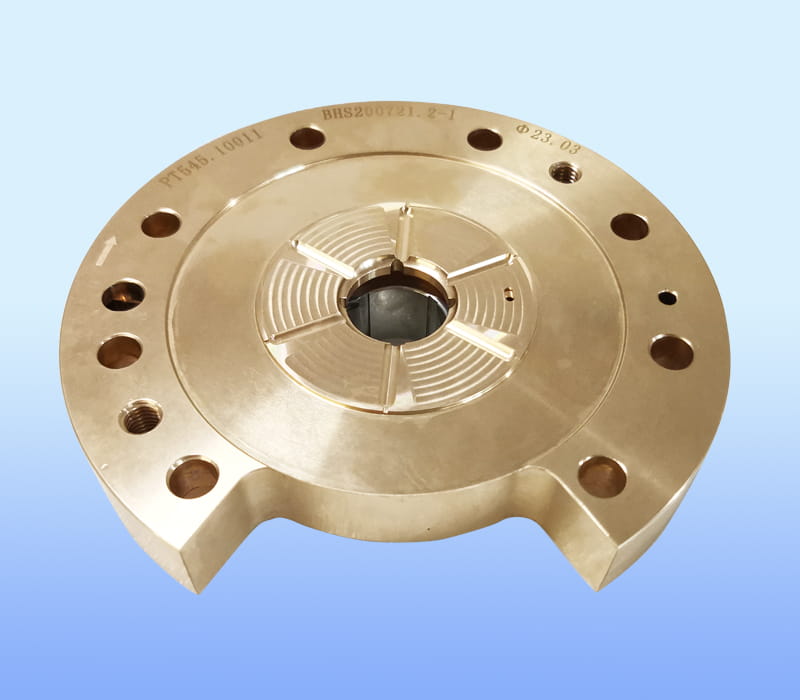
ZHEJIANG BHS JOURNAL BEARING CO.,LTD. located in FengXian District of ZheJiang, the company's brand "BHS", is a professional tilting pad thrust bearings manufacturers and Tilting pad bearings factory...

Plain bearings, also called sleeve or journal bearings, support the shaft through a thin film of lubricant rather than through rolling elements. In a multi-stage pump, which typically follows a BB3 or BB5 configuration, the rotor carries substantial radial forces from several impellers while running at elevated speeds. Under these conditions, the film that separates the shaft from the bearing surface becomes the primary load-carrying mechanism, and its stability determines whether the pump runs smoothly for years or develops temperature rise, vibration and eventually bearing failure.
Typical field problems include shaft misalignment between the pump casing and bearing housing, uneven load distribution across the bearing surface, excessive heat generation at high surface speeds and incomplete lubrication during start-up or load changes. Each of these can lead to babbitt wear, scoring or outright seizure. A well-designed multi-stage pump plain bearing addresses these risks through its geometry, lining material and cooling arrangement rather than relying on maintenance intervention alone.
Before comparing options, it helps to understand the mechanical logic behind a modern plain bearing for a multi-stage pump. The assembly is more than a sleeve: it is a coordinated system of pads, housing, lining and cooling passages, each contributing to film stability and thermal control.
A self-balance tilting pad arrangement allows each pad to pivot slightly and align itself with the rotating collar. This self-centering behaviour means that load is shared among the pads even when the shaft is not perfectly parallel to the bearing seat. Small machining tolerances and assembly errors, which would otherwise concentrate load on one pad, are absorbed by the pivoting motion. The result is a more uniform temperature across all pads and a lower risk of localized overheating.
Self-balancing pads tolerate realistic misalignment without sacrificing film thickness, which is the single most important factor for stable operation at high surface speed.
Forced lubrication delivers a continuous flow of oil to the bearing surface regardless of shaft speed, which is essential during start-up and at low speed when a self-generated film would be insufficient. An internal cooling coil circulates water through the bearing body, removing heat from the lubricant and babbitt lining before temperature can climb. Together these two systems keep the operating temperature within a range that protects the lining and extends service intervals.
The housing carries the bush and directs lubricant and coolant through their designated passages. The bush itself is typically a steel backing with a babbitt lining cast or sprayed onto its working face. Keeping the housing rigid and the bush seated precisely is what allows the babbitt to maintain its intended clearance over long operating periods.
Specifications for multi-stage pump plain bearings define the envelope within which the design is verified. The table below summarizes the typical parameter range that engineers should compare when reviewing a candidate bearing.
| Parameter | Typical Range |
|---|---|
| Maximum linear surface speed | 50 m/s |
| Rotational speed range | 750 to 8500 rpm |
| Shaft diameter | 75 to 350 mm |
| Maximum radial load | 50 tons |
| Bush material | 42CrMo with babbitt, or Cu-Cr with babbitt |
| Lubrication mode | Forced lubrication |
| Cooling method | Internal cooling coil with water circulation |
| Lining compliance | Babbitt grade meeting EU REACH requirements |
These values describe a design envelope rather than a single product. Shaft diameter and bush geometry can be adjusted to match a specific pump frame, and custom dimensions are a routine part of the engineering process when the operating data is known.
Material selection shapes almost every performance outcome of a plain bearing, from load capacity and thermal conductivity to embeddability and wear resistance. Two material decisions dominate the design: the backing steel and the babbitt lining.
Babbitt alloys are soft, tin-based or lead-based materials with a low melting point and excellent conformability. When a small particle or a slight misalignment occurs, the soft lining embeds the contaminant and deforms slightly rather than scoring the shaft. This forgiving behaviour is the main reason babbitt remains the standard lining for heavy-duty plain bearings, and it explains why a babbitt-lined plain bearing for a multi-stage pump tolerates conditions that would quickly damage harder surfaces.
The backing material must carry the mechanical load and resist deformation under high radial force. A high-strength alloy steel such as 42CrMo, or a copper-chromium alloy where thermal conductivity matters more, provides the structural base. The choice affects not only load capacity but also how efficiently heat travels from the lining into the cooling passages.
Soft, conformable and embeddable, it protects the shaft during misalignment and boundary lubrication.
High strength alloy steel that resists deformation under heavy radial loading.
Copper-based option that conducts heat quickly, useful where thermal load is the dominant concern.
The combination of backing and lining determines how the bearing ages. A lining with good conformability and sound bond strength resists fatigue cracking and delamination for many thousands of operating hours, while a poorly bonded layer can separate under thermal cycling. Specifying lining grades that meet recognized chemical and environmental standards also simplifies regulatory compliance for export projects.
Multi-stage pump plain bearings are used wherever high-energy centrifugal pumping demands robust rotor support. The following scenarios illustrate where their design advantages matter most.
Feed water pumps run at high speed and must maintain stable rotor position under varying steam demand. Plain bearings with forced lubrication keep temperature predictable across load changes.
Nuclear service demands strict reliability and documented material performance. Self-balancing pads reduce the risk of load concentration, supporting long inspection intervals.
BB3 and BB5 style pumps used in water supply, chemical transfer and high-pressure duties rely on the same bearing principles for stable operation.
Plain bearings are also well suited to other high-speed rotating equipment such as compressors, gearboxes and steam turbines, where similar combinations of speed, load and thermal demand appear.
Vibration and shaft runout are often blamed on the rotor, yet the bearing system contributes heavily to both. Improving axial stiffness and motion accuracy requires attention to support geometry, film dynamics and manufacturing precision together.
Distributing the support across several pads reduces the stiffness variation that a single large bearing surface would produce. Each pad acts as an independent support point, which helps the rotor maintain its centreline under axial and radial disturbance.
A stable hydrodynamic film depends on the correct clearance ratio, pad preload and oil viscosity at operating temperature. Engineers typically target a clearance that balances film stiffness against the risk of thermal distortion, and verify it through the cooling and lubrication design rather than through clearance alone.
Selecting a supplier for multi-stage pump plain bearings is a technical decision as much as a commercial one. The strongest suppliers combine machining capacity, quality certification and engineering support that extends beyond the part itself.
Large CNC machining capacity and dedicated babbitt spraying and casting equipment support consistent output.
Management systems covering quality, environmental and occupational safety standards give buyers documented assurance.
Design, manufacturing, testing and fault diagnosis services help solve problems at the root rather than replacing parts repeatedly.
Solutions built from drawings or site operating data, including replacement of bearings in older pump units.
When requesting a quotation, providing shaft diameter, rotational speed, radial load, lubricant type and cooling water conditions allows the supplier to prepare a precise proposal and reduces the number of clarification rounds.
They are sleeve-type bearings that support the rotor of a multi-stage pump through a hydrodynamic oil film rather than rolling elements. They are chosen for high speed and heavy radial load duties where their film-based support offers stability and tolerance to misalignment.
Forced lubrication is the preferred method, supplying oil continuously to the bearing surface regardless of speed. Combined with an internal water cooling coil, it keeps temperature rise under control during start-up and steady operation.
The bush usually combines a high-strength steel backing, such as 42CrMo, or a copper-chromium alloy with a babbitt lining. The babbitt layer provides conformability and embeddability, protecting the shaft during minor misalignment or contamination.
Yes. Shaft diameter, bush geometry and housing interface can be adapted to specific pump frames and operating conditions. Custom designs are typically developed from the drawing or the working data supplied by the pump owner.
Send the shaft diameter, rotational speed, radial load, lubricant and cooling conditions, and any drawing you have. Engineering can then prepare a specification and quotation tailored to your pump.

ZHEJIANG BHS JOURNAL BEARING CO.,LTD. located in FengXian District of ZheJiang, the company's brand "BHS", is a professional tilting pad thrust bearings manufacturers and Tilting pad bearings factory...
Copyright © 2017 ZHEJIANG BHS JOURNAL BEARING CO.,LTD. All Right Reserved. China Tilting Pad Journal Bearings Manufacturers
