
 Tel:+86-575 -87957662
 Email:
 English
 中文简体
中文简体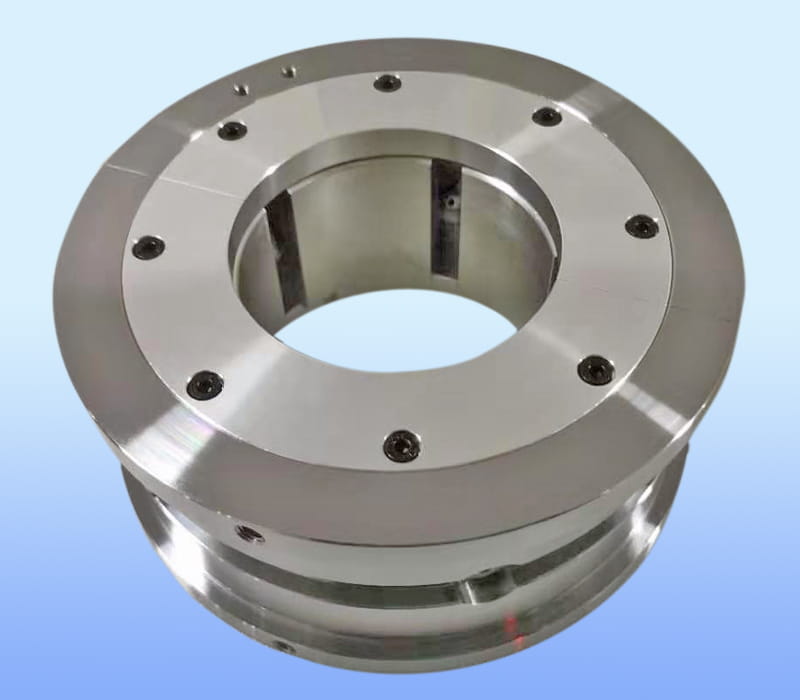
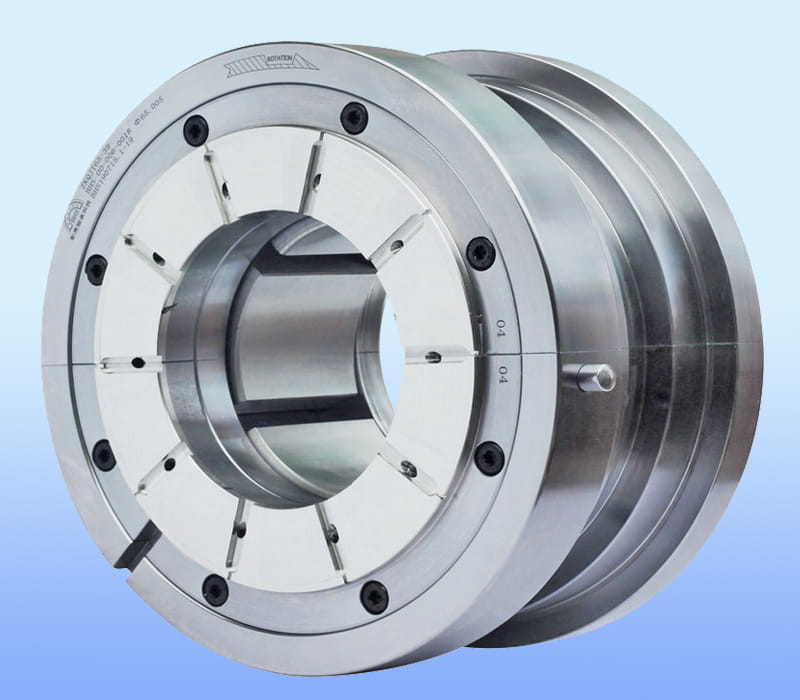
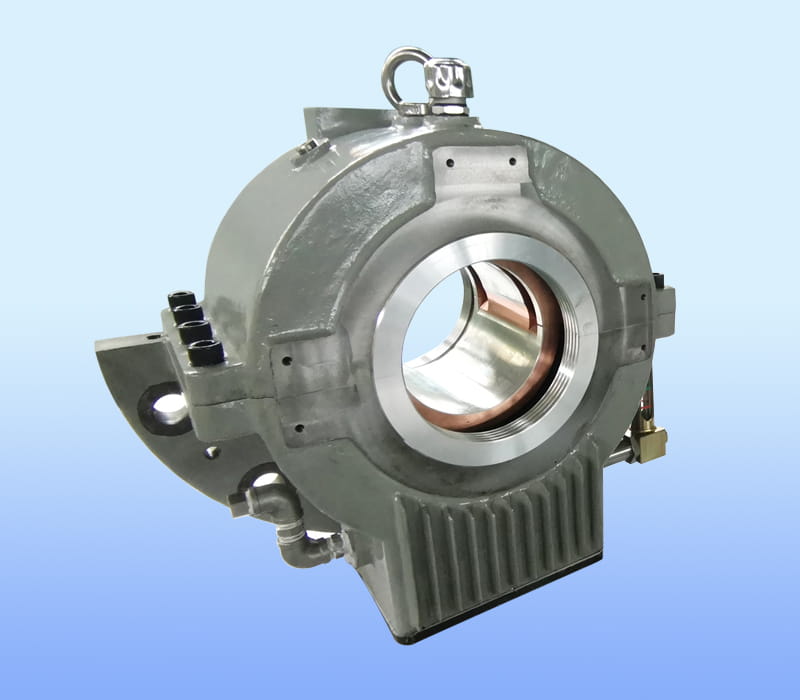
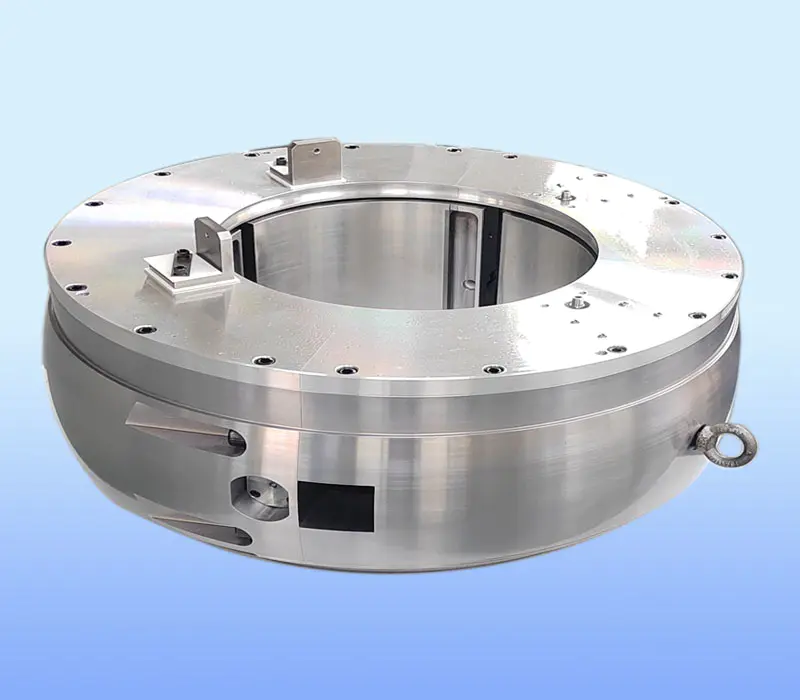
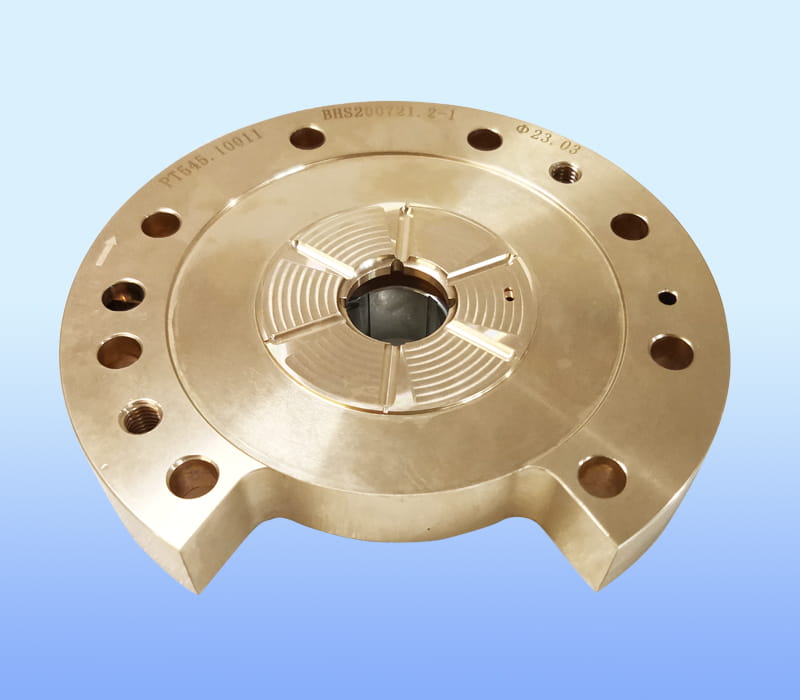
ZHEJIANG BHS JOURNAL BEARING CO.,LTD. located in FengXian District of ZheJiang, the company's brand "BHS", is a professional tilting pad thrust bearings manufacturers and Tilting pad bearings factory...

Tilting pad bearings are critical components in high-speed rotating machinery such as steam turbines, gas compressors, and large electric motors. Their ability to provide stable rotordynamic performance and accommodate misalignment makes them indispensable in modern industry. However, like any precision component, tilting pad bearings are susceptible to damage over time. Ignoring early warning signs can catastrophic equipment failure, unplanned downtime, and costly repairs.
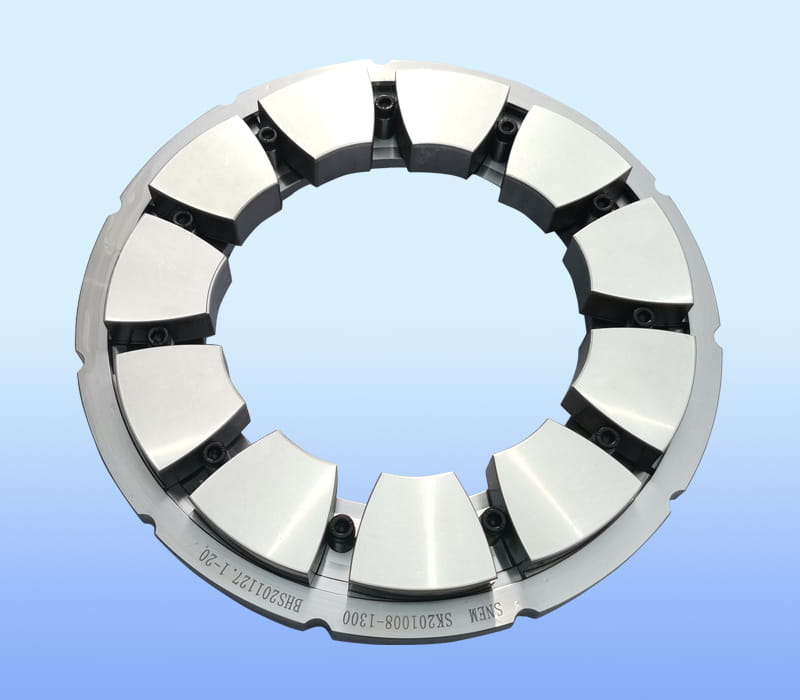
Before identifying damage modes, it is useful to recall how tilting pad bearings function. Each pad pivots independently, allowing the formation of a hydrodynamic wedge regardless of load direction or shaft speed. This design minimizes cross-coupled stiffness and virtually eliminates oil whirl instability. However, the very complexity that grants them performance also introduces multiple failure mechanisms. Recognizing the distinction between normal wear patterns and critical damage is essential.
The accessible diagnostic method remains visual inspection during scheduled maintenance. When examining tilting pad bearings, several physical signs demand immediate attention.
The babbitt layer (white metal) on the pad surface is the line of defense. Any of the following anomalies indicate progressive damage:
| Damage Type | Appearance | Typical Cause |
|---|---|---|
| Scratching | Fine, parallel grooves | Contaminated oil with hard particles |
| Smearing | Melted and re-solidified babbitt | Overload or momentary loss of oil film |
| Cracking | Thin, irregular lines on surface | Cyclic thermal stress or fatigue |
| Pitting | Small craters or cavities | Cavitation erosion or electrical discharge |
| Edge loading | Wear concentrated at pad edges | Misalignment or housing deformation |
Among these, cracking and smearing are particularly dangerous because they propagate rapidly under continued operation. A single pad with severe smearing can transfer debris to adjacent pads, causing cascading failure.
Tilting pad bearings rely on free pivot movement. If the pivot (ball-and-socket or cylindrical type) shows flattening, brinelling, or corrosion, the pad cannot align properly. A stuck pad loses its hydrodynamic advantage, causing uneven load distribution and localized overheating. Inspect pivot points for:
Many damage mechanisms in tilting pad bearings originate from thermal anomalies. Modern condition monitoring systems can capture these signs before visible damage occurs.
In a healthy bearing, all pads operate within a close temperature range under steady load. A single pad showing a temperature 5–8°C above its neighbors suggests either a localized overload or a developing wipe. Conversely, a pad cooler than others might be unloaded due to misalignment or pivot sticking. Record temperature trends rather than absolute values—a gradual rise in one pad over weeks often precedes failure.
If pad temperatures oscillate by more than ±3°C within minutes without load changes, suspect oil film instability or incipient pad flutter. This is especially common in lightly loaded tilting pad bearings where the pads may “rattle” against the pivot. Left unaddressed, this leads to fretting wear on the pivot and eventual loss of pad position.
Using thermal imaging on bearing housings can reveal hot spots. While some heat generation is normal, a localized hot zone aligned with one pad indicates excessive friction on that pad. Compare thermal patterns across identical bearings—asymmetric heating is a reliable red flag.
Vibration analysis is arguably the powerful tool for detecting early damage in tilting pad bearings without interrupting production. Specific frequency patterns correspond to distinct failure modes.
One of the primary advantages of tilting pad bearings is their resistance to oil whirl. If you observe a strong vibration component at 0.4–0.48× running speed, it is not the classic oil whirl but could indicate:
Persistent sub-synchronous vibration above 0.1 inch/second peak velocity warrants inspection. Do not dismiss it as “normal” for this bearing type—healthy tilting pad bearings operate with very low sub-synchronous energy.
Rising 1× running speed vibration may result from pad surface damage that creates a localized high spot. For example, a small babbitt overlay crack can cause a once-per-revolution rub each time the shaft passes that pad. Similarly, 2× or 3× harmonics appear when the oil film becomes nonlinear due to pad wear or pivot damage.
Random, high-frequency vibration bursts (often above 1000 Hz) suggest intermittent metal-to-metal contact. This is common in tilting pad bearings with severe babbitt loss where the steel backing contacts the shaft. Such signals are often missed if the vibration system is set only to overall amplitude trending.
Oil analysis provides indirect but powerful evidence of internal wear. Do not limit testing to particle counts—target specific indicators for tilting pad bearings.
Tin, copper, and antimony are the primary elements in tin-based babbitt. A sudden rise in these metals, especially in particles larger than 10 microns, indicates active pad wear. Compare against baseline values; any doubling over 100 hours of operation is significant. Note that babbitt particles are soft and often appear as flat, silvery flakes under a microscope.
Heat-related degradation of the lubricant produces varnish and sludge. Tilting pad bearings with inadequate flow or excessive pad clearance generate localized hot spots that oxidize nearby oil. High membrane patch colorimetry (MPC) values (>20) or the presence of brown deposits on cooler surfaces suggest advanced thermal distress. Varnish can also cause pads to stick, creating a feedback loop accelerating damage.
Water above 500 ppm dramatically reduces the load-carrying capacity of the oil film, accelerating babbitt fatigue. Meanwhile, hard particles (silica from seals, iron from other components) embed into the pad surface, creating counterproductive protrusions that abrade the shaft. Routine ferrography can distinguish between cutting wear (sharp-edged particles) and sliding wear (rounded particles).
Sometimes damage in tilting pad bearings reveals itself through shifts in machine behavior rather than direct measurements.
If the machine requires higher-than-normal torque during startup or coast-down, suspect pad interference. A swollen pad (due to babbitt creep) or a seized pivot can create drag. Compare current startup current or torque against historical data—a 15% increase is a realistic threshold for investigation.
Under steady load and speed, a healthy bearing maintains consistent oil outlet temperature. A gradual increase of 3–5°C without changes in ambient or load suggests rising friction inside the bearing. This is especially notable in tilting pad bearings with lost babbitt area, as the remaining pads carry more load.
Experienced operators can detect damage through sound. Clicking or tapping sounds at shaft rotation frequency indicate a pad that is loose on its pivot. A scraping or rubbing noise during slow roll (turning gear) points to direct metal-to-metal contact. Ultrasonic microphones can extend human hearing to detect high-frequency rubbing that precedes audible noises by weeks.
For quick reference, the following table consolidates the urgent signs that require immediate shutdown and inspection of tilting pad bearings.
| Symptom | Urgency Level | Recommended Action |
|---|---|---|
| Any pad temperature >120°C or 15°C above others | Immediate stop | Inspect for babbitt wipe |
| Sub-synchronous vibration >0.2 in/s peak | Shutdown within 24h | Check pivots and preload |
| Tin >20 ppm in oil with increasing trend | Schedule inspection within 50 running hours | Visual check of pad surfaces |
| Metallic rubbing sound during coast-down | Immediate stop | Full disassembly and measurement |
| Crack visible on pad surface | Next planned outage | Replace affected pads |
| Flattened pivot contact area | Monitor closely | Plan replacement at next service |
| High-frequency vibration bursts | Shutdown within 1 week | Inspect for intermittent contact |
While recognizing damage signs is crucial, preventing them extends bearing life. Implement the following practices for tilting pad bearings:
Tilting pad bearings are highly reliable when maintained within design parameters, but they are not immune to damage. The signs discussed—visual wear marks, thermal anomalies, vibration patterns, lubricant changes, and operational shifts—form a complete diagnostic framework. Ignoring any single indicator invites progressive deterioration. Conversely, prompt recognition allows targeted intervention, saving weeks of downtime and avoiding catastrophic rotor damage. For any facility operating high-speed turbomachinery, training personnel to recognize these early signs of damage in tilting pad bearings is not optional—it is essential for operational excellence.
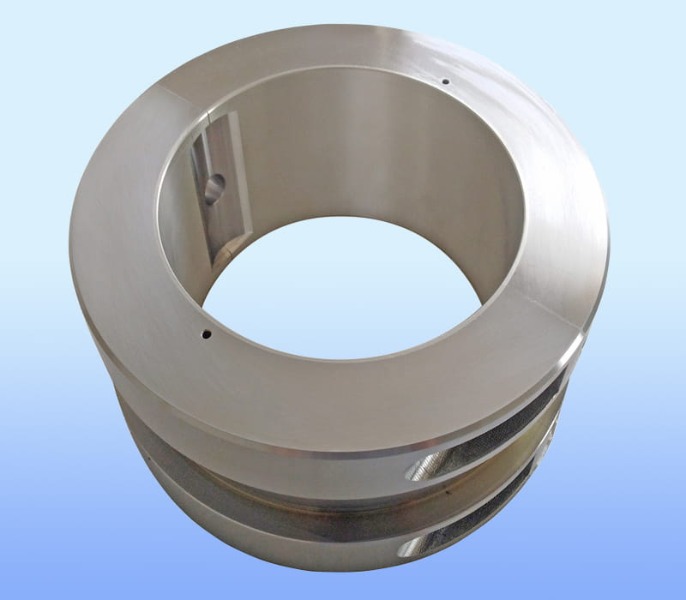

ZHEJIANG BHS JOURNAL BEARING CO.,LTD. located in FengXian District of ZheJiang, the company's brand "BHS", is a professional tilting pad thrust bearings manufacturers and Tilting pad bearings factory...
Copyright © 2017 ZHEJIANG BHS JOURNAL BEARING CO.,LTD. All Right Reserved. China Tilting Pad Journal Bearings Manufacturers
